• HOME
  • NEWS
  • EXPLORE
    • CAREER
      • Companies
      • Jobs
    • EVENTS
    • iGEM
      • News
      • Team
    • PHOTOS
    • VIDEO
    • WIKI
  • BLOG
  • COMMUNITY
    • FACEBOOK
    • INSTAGRAM
    • TWITTER
Sunday, July 12, 2026
BIOENGINEER.ORG
No Result
View All Result
  • Login
  • HOME
  • NEWS
  • EXPLORE
    • CAREER
      • Companies
      • Jobs
        • Lecturer
        • PhD Studentship
        • Postdoc
        • Research Assistant
    • EVENTS
    • iGEM
      • News
      • Team
    • PHOTOS
    • VIDEO
    • WIKI
  • BLOG
  • COMMUNITY
    • FACEBOOK
    • INSTAGRAM
    • TWITTER
  • HOME
  • NEWS
  • EXPLORE
    • CAREER
      • Companies
      • Jobs
        • Lecturer
        • PhD Studentship
        • Postdoc
        • Research Assistant
    • EVENTS
    • iGEM
      • News
      • Team
    • PHOTOS
    • VIDEO
    • WIKI
  • BLOG
  • COMMUNITY
    • FACEBOOK
    • INSTAGRAM
    • TWITTER
No Result
View All Result
Bioengineer.org
No Result
View All Result
Home NEWS Science News Biology

Animal welfare: Potential new indicator of chronic stress in horses

Bioengineer by Bioengineer
September 8, 2017
in Biology
Reading Time: 2 mins read
0
Share on FacebookShare on TwitterShare on LinkedinShare on RedditShare on Telegram
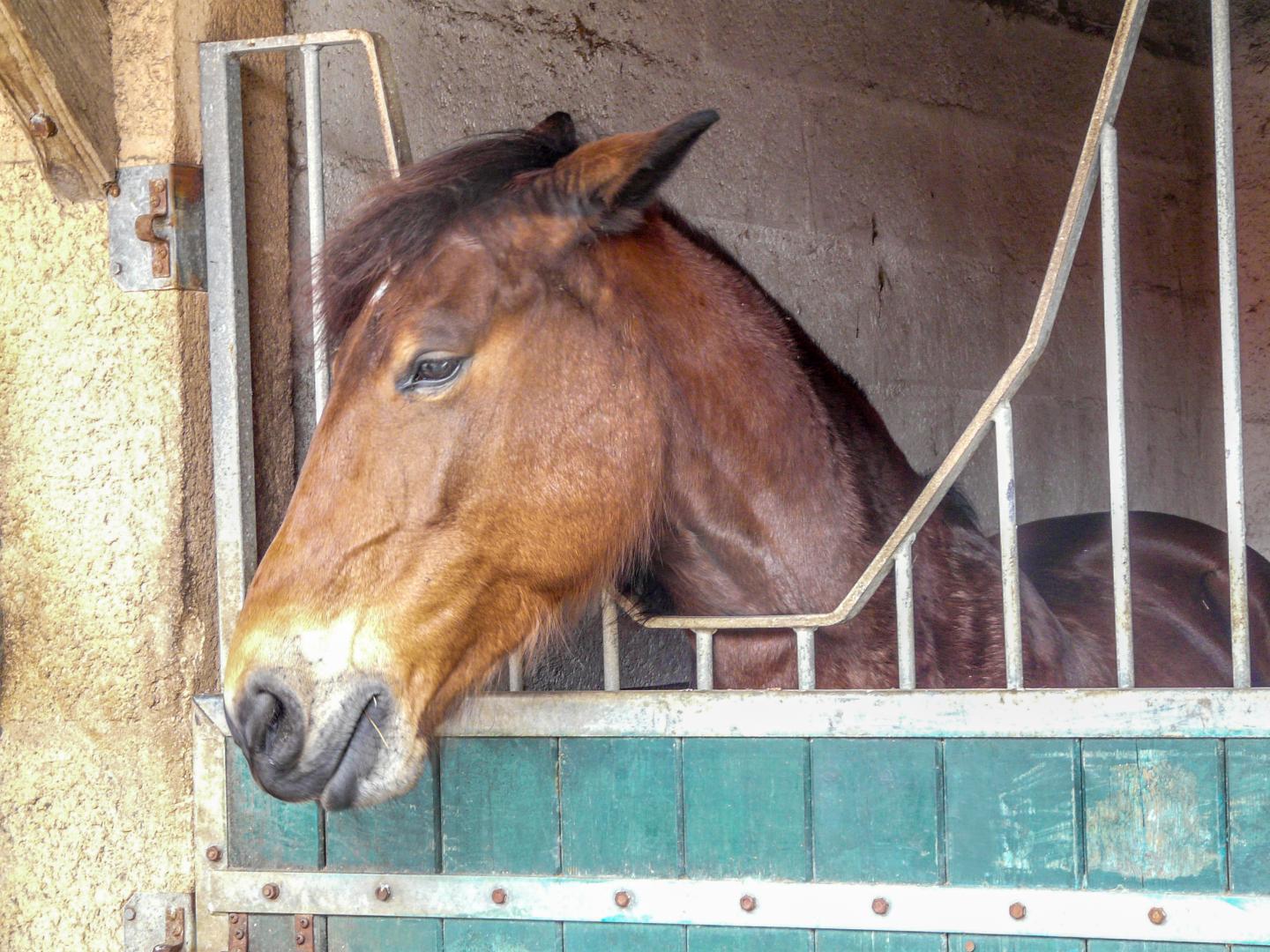
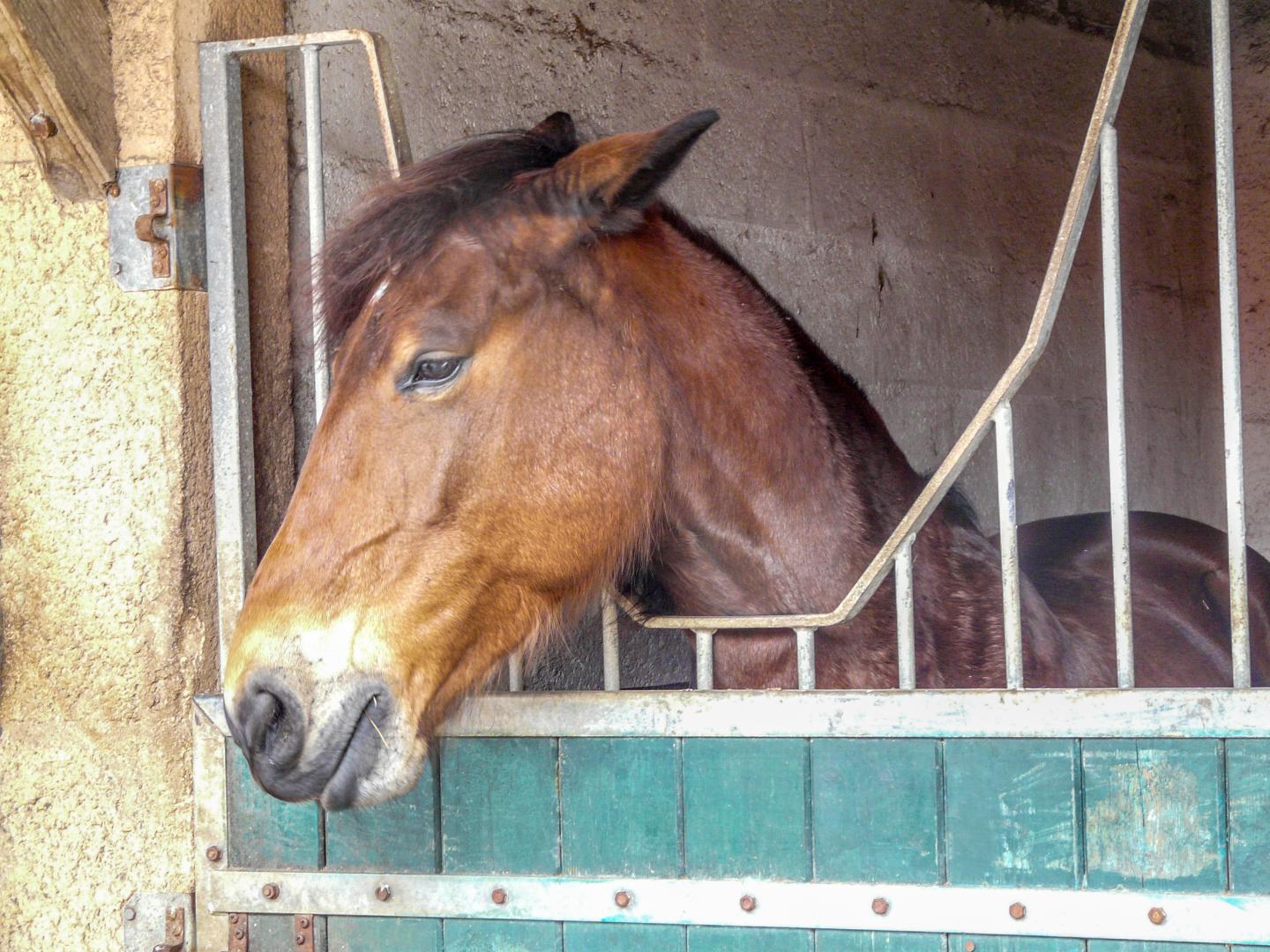
IMAGE

Credit: Martine Hausberger

Cortisol, deemed the quintessential stress hormone, allows us to cope with important events and imminent threats. A spike in cortisol levels mobilizes necessary resources–such as by tapping into our body's reserves to produce energy–and then allows us to return to a stable state. But can our bodies cope with prolonged or repeated stress in the same way? Some studies report lower cortisol levels in humans–or other mammals–subject to chronic stress, while other studies contradict these findings. In light of this, is cortisol still a reliable stress indicator?

To answer this question, researchers from Rennes, France, studied 59 adult horses (44 geldings and 15 mares) from three different riding centers, under their usual living conditions: Horses were kept in individual stalls that are both spatially and socially restrictive and rode by unexperienced equestrians–both potential stressors that, if recurrent, can lead to chronically compromised welfare. The scientists monitored various behavioral and sanitary indicators of the horses' welfare and measured cortisol levels using blood and stool samples. The equine subjects had all been living under the stated conditions for at least a year at the start of the study, and they were observed for several weeks.

Surprisingly, cortisol levels in horses showing signs of compromised welfare (e.g., ears pointed back, back problems, and anemia) were lower than in other horses. These findings are in accord with early observations by the ethology team, which recorded abnormally low cortisol concentrations in horses with depressive-like behavior. Furthermore, cortisol metabolite levels measured in feces correlated with blood cortisol levels, which advocates use of stool sample analyses as an alternative, noninvasive means of gauging horse welfare.

Low cortisol levels may seem counterintuitive here, but they could be explained by a breakdown of the system when horses experience stress at excessive levels for excessive lengths of time. So when exactly does duration and intensity of stress become excessive for these horses? This is one of the questions the team of researchers is now seeking to answer. At any rate, this study demonstrates that cortisol levels are not always reliable indicators of stress or compromised welfare: On the one hand, high cortisol may be a sign of positive stress, driving higher performance; on the other, low cortisol does not necessarily mean lack of stress. Quite the contrary, under a certain threshold, low cortisol levels may be cause for concern.

###

Media Contact

Véronique Etienne
[email protected]
33-144-965-137

http://www.cnrs.fr

Related Journal Article

http://dx.doi.org/10.1371/journal.pone.0182257
Share12Tweet8Share2ShareShareShare2

Related Posts

Han directs new $15M NIH center for organ-on-chip technology

Han directs new $15M NIH center for organ-on-chip technology

July 11, 2026
Bacteriophages Enable Next-Gen Smart Pathogen Detection Sensors

Bacteriophages Enable Next-Gen Smart Pathogen Detection Sensors

July 10, 2026

Temperature Fluctuations Have Greater Impact Than Previously Believed

July 10, 2026

New Study Uncovers Biology Behind Glioma Cancer Progression

July 10, 2026
Please login to join discussion

POPULAR NEWS

  • Detection of EDCs in Breast Milk and Infant Urine Up to Six Months Highlights Early Exposure Risks

    77 shares
    Share 31 Tweet 19
  • New Drug Candidate Developed at McMaster Shows Potential for Treating Brain Cancer

    58 shares
    Share 23 Tweet 15
  • KTU Researchers Explore Ultrasound’s Role in Enhancing Blood Flow Beyond Diagnostics

    53 shares
    Share 21 Tweet 13
  • 高齢者の骨粗鬆症治療の持続性比較

    51 shares
    Share 20 Tweet 13

About

We bring you the latest biotechnology news from best research centers and universities around the world. Check our website.

Follow us

Recent News

TP53 Mutation Triggers CD8+ T Cell Exhaustion Causing Therapy-Resistant Urothelial Cancer

Transient Simulation Advances in Bioresorbable Flexible Electronic Circuits

Evaluating Geriatric Assessment and Interventions for Prostate Cancer Patients on ADT

Subscribe to Blog via Email

Enter your email address to subscribe to this blog and receive notifications of new posts by email.

Join 85 other subscribers
  • Contact Us

Bioengineer.org © Copyright 2023 All Rights Reserved.

Welcome Back!

Login to your account below

Forgotten Password?

Retrieve your password

Please enter your username or email address to reset your password.

Log In
No Result
View All Result
  • Homepages
    • Home Page 1
    • Home Page 2
  • News
  • National
  • Business
  • Health
  • Lifestyle
  • Science

Bioengineer.org © Copyright 2023 All Rights Reserved.