• HOME
  • NEWS
  • EXPLORE
    • CAREER
      • Companies
      • Jobs
    • EVENTS
    • iGEM
      • News
      • Team
    • PHOTOS
    • VIDEO
    • WIKI
  • BLOG
  • COMMUNITY
    • FACEBOOK
    • INSTAGRAM
    • TWITTER
Tuesday, April 21, 2026
BIOENGINEER.ORG
No Result
View All Result
  • Login
  • HOME
  • NEWS
  • EXPLORE
    • CAREER
      • Companies
      • Jobs
        • Lecturer
        • PhD Studentship
        • Postdoc
        • Research Assistant
    • EVENTS
    • iGEM
      • News
      • Team
    • PHOTOS
    • VIDEO
    • WIKI
  • BLOG
  • COMMUNITY
    • FACEBOOK
    • INSTAGRAM
    • TWITTER
  • HOME
  • NEWS
  • EXPLORE
    • CAREER
      • Companies
      • Jobs
        • Lecturer
        • PhD Studentship
        • Postdoc
        • Research Assistant
    • EVENTS
    • iGEM
      • News
      • Team
    • PHOTOS
    • VIDEO
    • WIKI
  • BLOG
  • COMMUNITY
    • FACEBOOK
    • INSTAGRAM
    • TWITTER
No Result
View All Result
Bioengineer.org
No Result
View All Result
Home NEWS Science News Biology

Ancient enzymes the catalysts for new discoveries

Bioengineer by Bioengineer
October 22, 2018
in Biology
Reading Time: 2 mins read
0
Share on FacebookShare on TwitterShare on LinkedinShare on RedditShare on Telegram
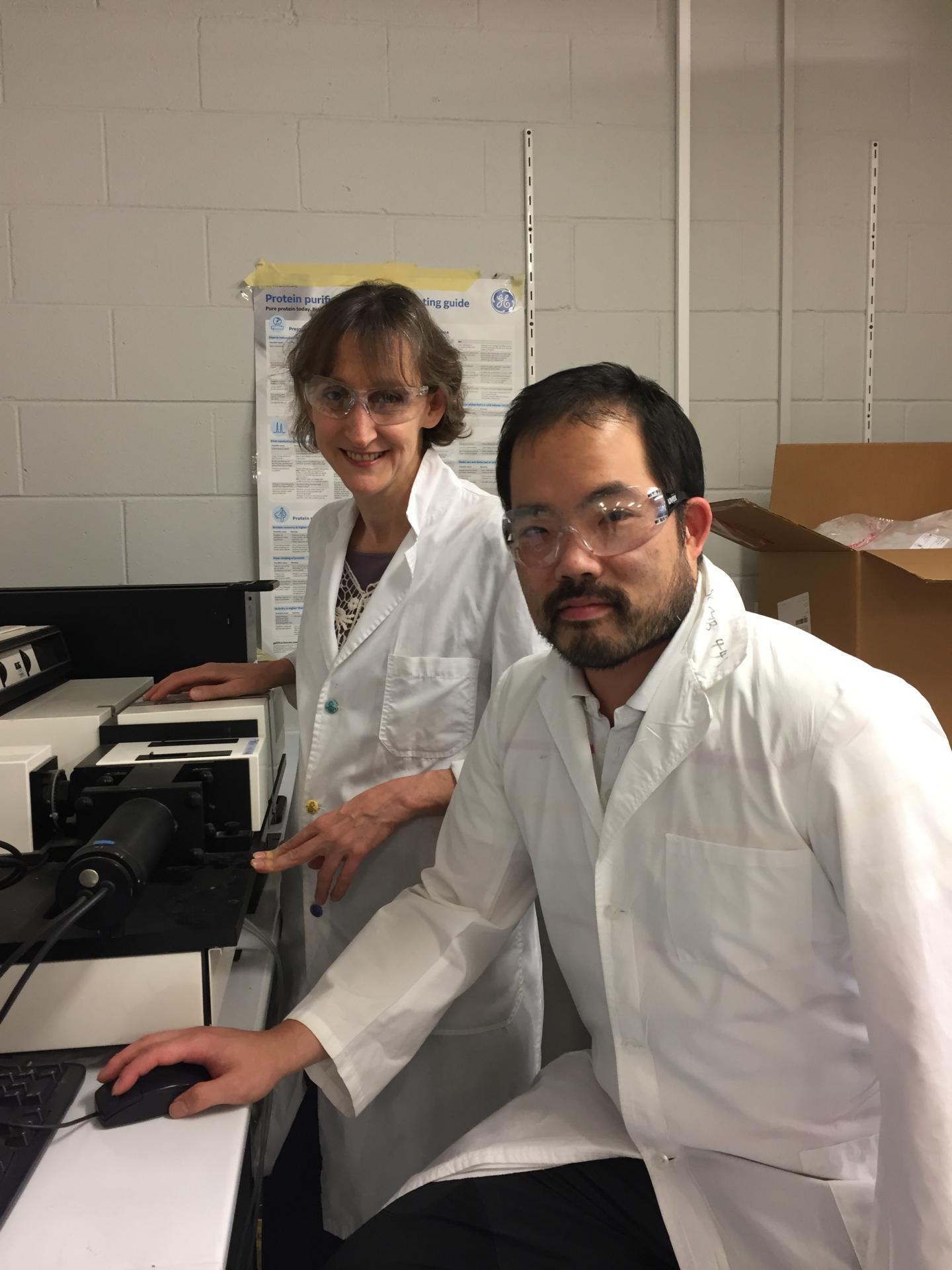
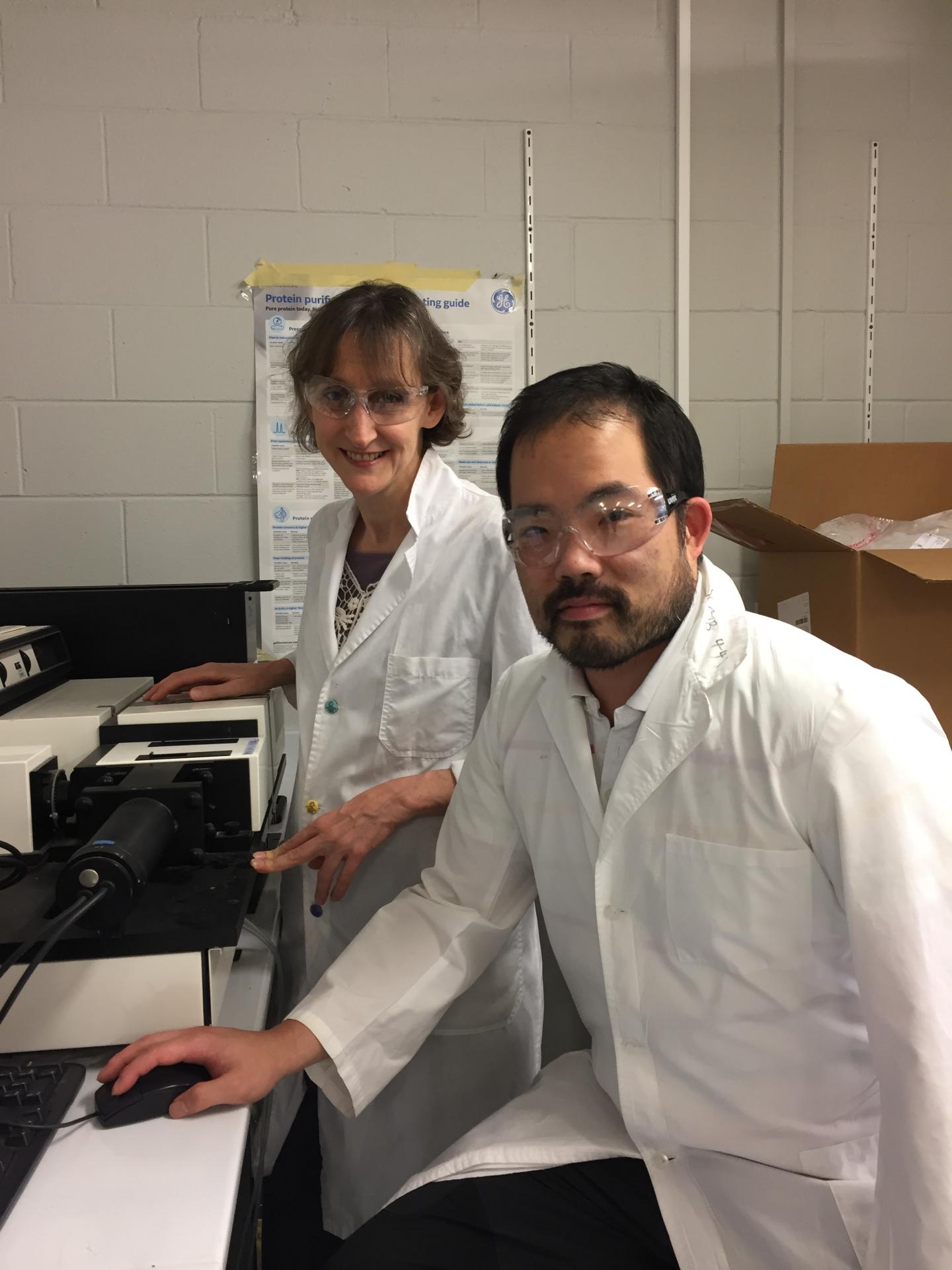
IMAGE

Credit: The University of Queensland

University of Queensland-led research recreating 450 million-year-old enzymes has resulted in a biochemical engineering 'hack' which could lead to new drugs, flavours, fragrances and biofuels.

Professor Elizabeth Gillam from UQ's School of Chemistry and Molecular Biosciences said the study showed ancient enzymes could survive high temperatures and that this could help create chemicals cheaply and at scale.

"We looked at how we could use a biological agent, like enzymes, to accelerate chemical reactions, as an alternative to current commercial processes," Professor Gillam said.

"It's often very difficult to make precise changes to complex chemicals, but this is essential in many industries, the pharmaceutical industry being a prime example.

"These methods often attack multiple sites on a chemical, so one ends up with a mixture of by-products, while often requiring a lot of energy and creating harmful waste."

The team found enzymes that were more effective at higher temperatures and could be better, quicker and cheaper catalysts, using less energy and avoiding toxic chemicals.

"Naturally occurring enzymes do not survive for long enough to make this alternative competitive – so we came up with a hack," Professor Gillam said.

"These enzymes' pre-Cambrian-era-ancestors were able to survive great heat, when temperatures on Earth were around 60 degrees Celsius.

"We obtained all the gene sequences we could for a particular set of ancient enzymes, worked out their genetic evolutionary history and determined the most likely sequence of their common ancestor that would have existed in the earliest vertebrate animals.

"Then we recreated this gene, put it into a bacterium and tested the properties of the enzyme it encoded."

The team found the ancestral enzyme could deal with high temperatures and lasted about 100 times longer at ambient temperatures.

"This means more 'bang for your buck' in a commercial process, but also improves environmental sustainability, and widens our understanding and use of enzymes in synthetic biology.

"The breadth of commercial applications is only limited by the imagination.

"For example, this discovery could advance fields like gene therapy or help remediate polluted environments – there's a lot of work to do."

###

The study has been published in Nature Catalysis (DOI: 10.1038/s41929-018-0159-5).

Media Contact

Prof Elixabeth Gillam
[email protected]
@uq_news

http://www.uq.edu.au

Related Journal Article

http://dx.doi.org/10.1038/s41929-018-0159-5

Share12Tweet7Share2ShareShareShare1

Related Posts

Unlocking Pain and Epilepsy: New Insights from the Molecular Keyhole

Unlocking Pain and Epilepsy: New Insights from the Molecular Keyhole

April 21, 2026
How the Liver’s Internal Clock Regulates Daily Fat Secretion

How the Liver’s Internal Clock Regulates Daily Fat Secretion

April 20, 2026

UT Arlington Scientist Recognized with AHA Award for Groundbreaking Aging Research

April 20, 2026

Stem Cell Model of Human Embryo Generates Yolk Sac Without Hypoblasts or Genetic Manipulation

April 20, 2026
Please login to join discussion

POPULAR NEWS

  • Research Indicates Potential Connection Between Prenatal Medication Exposure and Elevated Autism Risk

    731 shares
    Share 292 Tweet 183
  • Scientists Investigate Possible Connection Between COVID-19 and Increased Lung Cancer Risk

    65 shares
    Share 26 Tweet 16
  • Salmonella Haem Blocks Macrophages, Boosts Infection

    54 shares
    Share 22 Tweet 14
  • NSF funds machine-learning research at UNO and UNL to study energy requirements of walking in older adults

    101 shares
    Share 40 Tweet 25

About

We bring you the latest biotechnology news from best research centers and universities around the world. Check our website.

Follow us

Recent News

Examining Clean Haircare Products for Textured Hair

Unlocking Pain and Epilepsy: New Insights from the Molecular Keyhole

Rising Rates of Colorectal Cancer Among Swiss Adults Under 50 Highlight Emerging Health Concern

Subscribe to Blog via Email

Enter your email address to subscribe to this blog and receive notifications of new posts by email.

Join 79 other subscribers
  • Contact Us

Bioengineer.org © Copyright 2023 All Rights Reserved.

Welcome Back!

Login to your account below

Forgotten Password?

Retrieve your password

Please enter your username or email address to reset your password.

Log In
No Result
View All Result
  • Homepages
    • Home Page 1
    • Home Page 2
  • News
  • National
  • Business
  • Health
  • Lifestyle
  • Science

Bioengineer.org © Copyright 2023 All Rights Reserved.