Alginate, a polysaccharide extracted from brown seaweeds, is emerging as a versatile platform for delivering drugs directly into periodontal pockets, according to a review published in Polymer Bulletin. The paper, authored by Dhiman Roy and Sanchita Mandal, examines how chemical modification and functionalization of alginate can enhance mucoadhesion, controlled drug release, and antimicrobial efficacy at the periodontal site, with the aim of moving alginate-based dosage forms from optimized polymer design toward clinically effective, minimally invasive periodontal therapies.
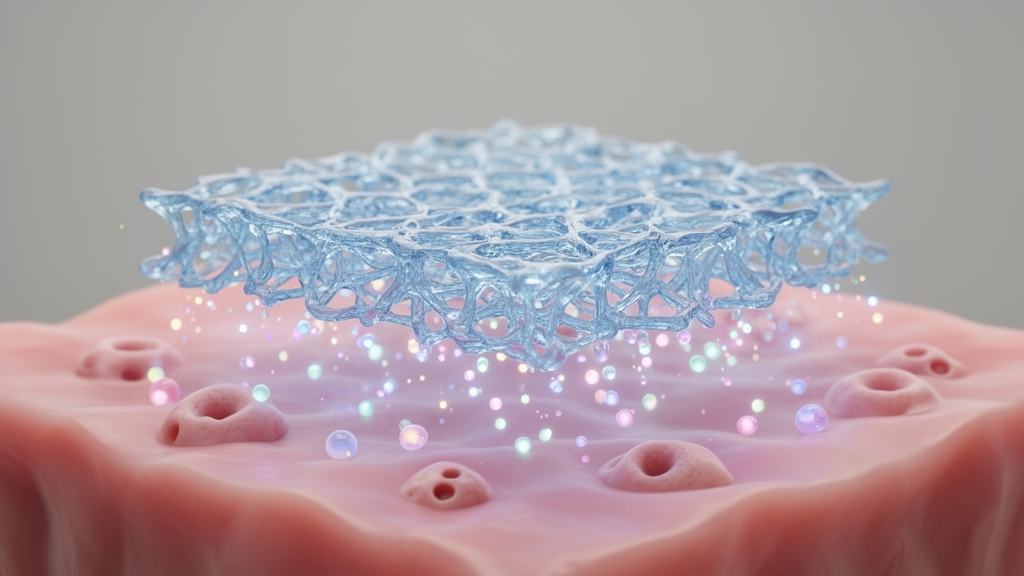
The review describes how alginate’s characteristic “egg-box” gelation, driven by G-blocks in the presence of di- and trivalent cations, underpins its utility. Calcium ions at concentrations of 1–5% w/v and iron(III) ions at 1–2% w/v can be used to produce tunable hydrogels, fibers, scaffolds, strips, tablets and microparticles.
A central theme of the review is the role of polymer modification. The authors survey cross-linking, oxidation, sulfation, amidation, grafting, esterification, carboxymethylation, and enzymatic modification as strategies to improve the mechanical strength, drug release profile, and biological activity of alginate. These modifications are presented as design levers that determine how well a formulation adheres to gingival tissue, how long it releases an active compound, and how it performs biologically at the site of disease.
The review compiles performance parameters reported for alginate-based dosage forms. Drug release periods of approximately 5–30 days following Higuchi or zero-order kinetics are described, including up to 28 days for a dopamine-grafted sodium alginate hydrogel and 7–10 days for films. Mucoadhesion values of 0.2–0.5 N/cm² are reported for gels and films, while scaffolds designed to mimic the extracellular matrix exhibit porosity in the range of 50–300 μm. The review also highlights design principles for adapting these dosage forms to periodontal pockets, their sustained antimicrobial and anti-inflammatory drug releasing performances, and their contribution to tissue regeneration.
Looking forward, the authors point to multifunctional and stimuli-responsive hybrid systems as a direction for next-generation periodontal drug delivery platforms, with the stated goal of balancing patient compliance, therapeutic efficacy, and practical applicability in the field of periodontitis. As a review article, the paper synthesizes and evaluates existing literature rather than reporting new experimental results, so the cited performance figures reflect findings from the studies it surveys. The abstract indicates the review is intended to pave the way for rational design of alginate-based delivery systems, positioning polymer modification as the key step toward clinically effective local therapy for periodontal disease.
Subject of Research: Alginate-based polymer modification and drug delivery systems for periodontal disease management
Article Title: Emerging alginate strategies in periodontal disease management: from polymer modification to clinical use and future direction
Article References: Roy, D., & Mandal, S. (2026). Emerging alginate strategies in periodontal disease management: from polymer modification to clinical use and future direction. Polymer Bulletin, 83(12), Article 696. https://doi.org/10.1007/s00289-026-06722-w
Image Credits: AI Generated
DOI: 10.1007/s00289-026-06722-w
Keywords: alginate, periodontal disease, drug delivery, hydrogels, polymer modification, mucoadhesion, controlled release, scaffolds, antimicrobial, tissue regeneration, review, Emerging
News Source: Louis Brooks. (October 29, 2026). Alginate hydrogels show promise for targeted periodontal drug delivery, review finds. Scienmag.