

• HOME
  • NEWS
  • EXPLORE
    • CAREER
      • Companies
      • Jobs
    • EVENTS
    • iGEM
      • News
      • Team
    • PHOTOS
    • VIDEO
    • WIKI
  • BLOG
  • COMMUNITY
    • FACEBOOK
    • INSTAGRAM
    • TWITTER
Wednesday, October 28, 2026
BIOENGINEER.ORG
No Result
View All Result
  • Login
  • HOME
  • NEWS
  • EXPLORE
    • CAREER
      • Companies
      • Jobs
        • Lecturer
        • PhD Studentship
        • Postdoc
        • Research Assistant
    • EVENTS
    • iGEM
      • News
      • Team
    • PHOTOS
    • VIDEO
    • WIKI
  • BLOG
  • COMMUNITY
    • FACEBOOK
    • INSTAGRAM
    • TWITTER
No Result
View All Result
Bioengineer.org
No Result
View All Result
Home NEWS Science News Biology

Airway epithelial cells emerge as central drivers of asthma inflammation and remodeling

by
October 28, 2026
in Biology
Reading Time: 2 mins read
0
Airway epithelial cells emerge as central drivers of asthma inflammation and remodeling

Airway epithelial cells emerge as central drivers of asthma inflammation and remodeling

Share on FacebookShare on TwitterShare on LinkedinShare on RedditShare on Telegram

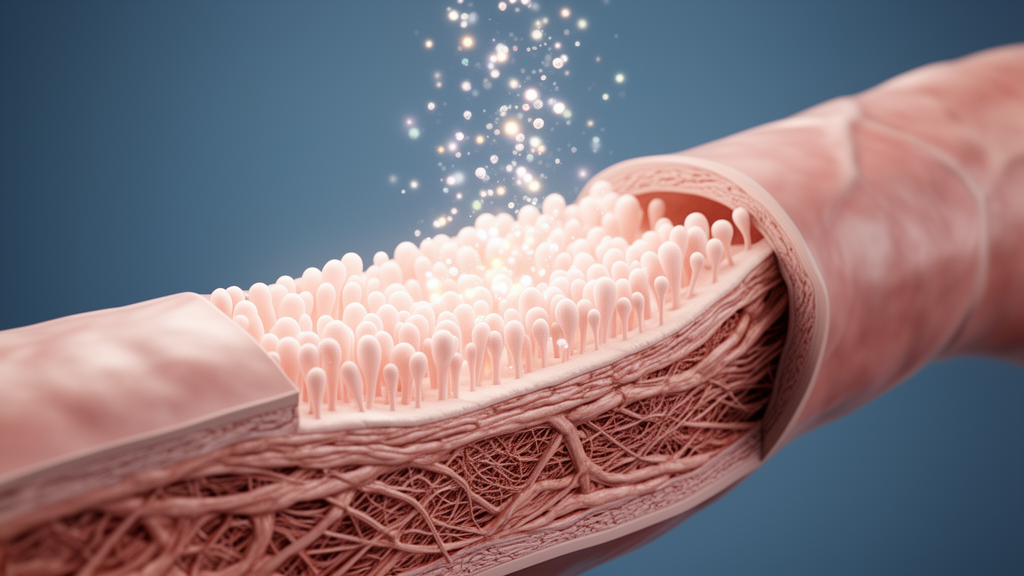
Asthma is a highly heterogeneous chronic inflammatory airway disease, shaped by a combination of genetic, environmental and immune factors. A newly published open-access review in Cell Division argues that the airway epithelium deserves central attention in understanding the condition. As the largest interface between the host and the environment, airway epithelial cells act not only as a physical barrier against exogenous stimuli but also as key sentinels that sense environmental threats and initiate immune responses.

The authors describe how, under the long-term interaction of genetic susceptibility and environmental factors, persistent structural and functional alterations occur in the airway epithelium of asthma patients. These include disruption of barrier integrity, skewed cell differentiation, aberrant repair programs and dysregulated alarmin release. In other words, the epithelium is not merely a passive victim of inflammation but an active participant whose damaged state feeds forward into disease.

These alterations, the review states, not only exacerbate airway inflammation but can also directly drive the process of airway remodeling.

Remodeling also involves biochemical and mechanical alterations. The review highlights dysregulated expression of matrix metalloproteinases (MMPs) and their inhibitors, the tissue inhibitors of metalloproteinases (TIMPs), alongside increased extracellular matrix stiffness and enhanced collagen crosslinking.

The review systematically covers the structural and functional changes observed in the asthmatic airway epithelium and analyzes the intrinsic links between barrier dysfunction, alarmin release and airway pathological changes. By connecting these threads, the authors aim to provide a new theoretical basis for the precise diagnosis and treatment of asthma, framing the epithelium as a unifying node that ties together genetic risk, environmental exposure and immune activation.

On the therapeutic side, the paper summarizes recent advances in interventions targeting the airway epithelium. Given the central role the authors assign to this cell layer in asthma pathogenesis, they argue that targeting epithelial alarmins and related signaling pathways holds promise for providing precise intervention strategies for patients with specific endotypes, the biologically distinct subgroups of the disease.

The review, published on 4 August 2026 as an open-access article in Cell Division, is authored by Xiwen Xu and Bowen Zhang. It is positioned as a synthesis of current knowledge rather than a report of new experimental findings, and it is intended to guide future research into epithelial-directed approaches for asthma diagnosis and therapy. For clinicians and researchers, the central message is that the airway epithelium sits at the junction of barrier defense, immune signaling and structural change, making it a compelling focus for the next generation of asthma interventions.

Subject of Research: The role of airway epithelial cell dysfunction in asthma inflammation and airway remodeling

Article Title: Airway epithelial cells and asthma: from barrier disruption to alarmin-driven inflammation and remodeling

Article References: Xu, X., & Zhang, B. (2026). Airway epithelial cells and asthma: from barrier disruption to alarmin-driven inflammation and remodeling. Cell Division. https://doi.org/10.1186/s13008-026-00193-1

Image Credits: AI Generated

DOI: 10.1186/s13008-026-00193-1

Keywords: asthma, airway epithelium, alarmins, type 2 inflammation, barrier dysfunction, airway remodeling, epithelial-mesenchymal transition, mucus hypersecretion, extracellular matrix, MMPs, TIMPs, targeted therapy

News Source: Drew Townsend. (October 28, 2026). Airway epithelial cells emerge as central drivers of asthma inflammation and remodeling. Scienmag.
Tags: airway epitheliumairway remodelingalarminsasthmabarrier dysfunctionEpithelial-mesenchymal transitionextracellular matrixMMPsmucus hypersecretiontargeted therapyTIMPstype 2 inflammation
Share12Tweet7Share2ShareShareShare1

Related Posts

Laboratory Generations of Sugarcane Parasitoid Wasp Lose Fitness Within Ten Generations

Laboratory Generations of Sugarcane Parasitoid Wasp Lose Fitness Within Ten Generations

October 28, 2026
Prophages Shape Virulence, Not Resistance, in Staphylococcus aureus Genomes

Prophages Shape Virulence, Not Resistance, in Staphylococcus aureus Genomes

October 28, 2026

TREX1 enzyme shields tumors by destroying immune-activating DNA fragments

October 28, 2026

Evolutionary Feature Optimization Sharpens Latent Learning in Endoscopy Images

October 28, 2026

POPULAR NEWS

  • Systematic review maps end-of-life psychosocial and spiritual needs in physical disability

    Systematic review maps end-of-life psychosocial and spiritual needs in physical disability

    29 shares
    Share 12 Tweet 7
  • Text Message Campaign Reached Only a Third of Patients Overdue for Colorectal Cancer Screening

    29 shares
    Share 12 Tweet 7
  • FOXO1 Emerges as Candidate Regulator and Biomarker in Hip Dysplasia

    29 shares
    Share 12 Tweet 7
  • Regulators, developers and clinicians in Shenzhen voice concerns over medical AI governance

    29 shares
    Share 12 Tweet 7

About

We bring you the latest biotechnology news from best research centers and universities around the world. Check our website.

Follow us

Recent News

Systematic review maps end-of-life psychosocial and spiritual needs in physical disability

Text Message Campaign Reached Only a Third of Patients Overdue for Colorectal Cancer Screening

FOXO1 Emerges as Candidate Regulator and Biomarker in Hip Dysplasia

Subscribe to Blog via Email

Enter your email address to subscribe to this blog and receive notifications of new posts by email.

Join 85 other subscribers
  • Contact Us

Bioengineer.org © Copyright 2023 All Rights Reserved.

Welcome Back!

Login to your account below

Forgotten Password?

Retrieve your password

Please enter your username or email address to reset your password.

Log In
No Result
View All Result
  • Homepages
    • Home Page 1
    • Home Page 2
  • News
  • National
  • Business
  • Health
  • Lifestyle
  • Science

Bioengineer.org © Copyright 2023 All Rights Reserved.
