Artificial Intelligence Revolutionizes Cancer Drug Discovery, Paving the Way for Next-Generation Therapies
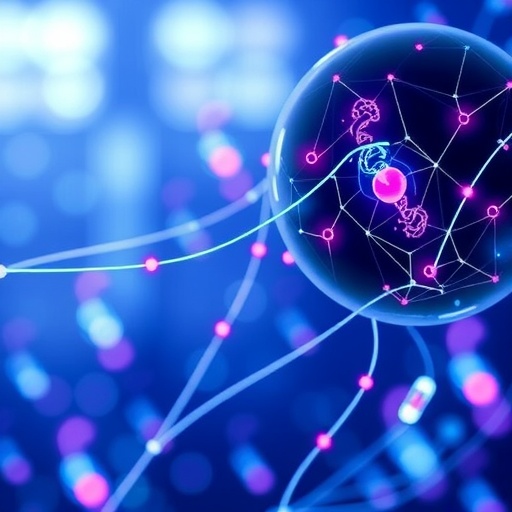
The arduous journey of developing effective cancer drugs, marked by high costs and prolonged timelines, is undergoing a transformative shift with the integration of artificial intelligence (AI). A recent comprehensive review published in Advanced Cancer Research reveals how AI is reshaping oncology drug discovery, offering unprecedented capabilities across the entire pipeline—from identifying novel targets to engineering and evaluating new therapeutic molecules.
Cancer’s intrinsic complexity, characterized by vast heterogeneity among tumors and patients, has historically stymied drug development efforts. Many candidates that show promise in computational or preclinical studies ultimately fail during clinical testing due to underlying biological intricacies. AI’s capacity to synthesize and analyze multifaceted data types—including genomics, single-cell analyses, histopathology images, protein structures, and clinical outcomes—provides researchers with powerful tools to unearth vulnerabilities in cancer cells that are not easily discernible through conventional methods.
At the foundational level, AI algorithms excel at integrating diverse datasets to pinpoint critical driver genes and synthetic lethal targets—gene pairs whose simultaneous disruption can selectively kill cancer cells. By discerning tumor-specific immune targets and genetic weaknesses, these models enable a more precise approach to therapeutic intervention.
Deep learning techniques such as graph neural networks and structure-informed modeling are advancing the speed and accuracy of compound screening. These tools facilitate the exploration of vast chemical libraries, predicting how candidate molecules might interact with cancer-associated proteins at a molecular level. This accelerates the prioritization of compounds with the highest potential for efficacy.
Beyond screening, generative AI models are now capable of designing innovative therapeutics. These range from small molecule inhibitors to complex biologics such as protein and peptide binders, antibodies, nucleic acid drugs, PROTACs (proteolysis-targeting chimeras), and molecular glues that induce selective protein degradation. AI’s creative potential is enabling drug designers to conceive molecules optimized for challenging targets that were previously deemed undruggable.
Crucially, AI-driven prediction of pharmacokinetic and toxicological properties such as absorption, distribution, metabolism, excretion, and toxicity (ADMET) helps researchers to filter out molecules with unfavorable profiles early in development. This reduces reliance on costly and time-intensive in vivo experiments, streamlining preclinical workflows.
Despite these advances, the review cautions that AI is not a magic bullet that bypasses biological validation. Noise in datasets, incomplete biological mechanisms, and model explainability challenges remain significant hurdles. Experimental confirmation remains essential to translate AI predictions into clinically viable treatments.
Looking forward, the future of cancer drug discovery lies in the convergence of improved data quality, interpretable AI models, physics-informed simulations, and innovative biological platforms such as patient-derived organoids. Coupled with automated design-make-test-analyze pipelines, these approaches promise to optimize experimental design, make each assay more informative, and accelerate the journey from computational insight to life-saving therapy.
This research heralds a turning point, showcasing how cutting-edge AI methodologies are not just augmenting but fundamentally reshaping the landscape of oncology drug development to bring precise, effective cancer therapies closer to patients.
Subject of Research: Not applicable
Article Title: Artificial intelligence in oncology drug discovery: from target identification to therapeutic molecule generation
News Publication Date: 11-May-2026
Web References: https://doi.org/10.55092/acr20260005
Image Credits: Jianxin Tang/East China Normal University, China
Keywords: Cancer, Artificial Intelligence, Drug Discovery, Oncology, Therapeutic Molecule Design
Tags: AI applications in histopathology analysisAI in clinical trial predictionAI-based drug design and synthesisAI-driven target identificationAI-enabled precision medicine in cancerartificial intelligence in oncologycancer drug discoverycomputational modeling of tumor biologygenomics and AI in oncologyheterogeneity in cancer and AI solutionsmachine learning for cancer therapy developmentnext-generation cancer therapeutics development