Proteomics-Driven Precision Oncology: Unveiling the Molecular Complexities Beyond the Genome
In the relentless pursuit to conquer cancer, a paradigm shift is emerging that transcends the traditional focus on genomics, embracing the proteome as the critical functional landscape of tumor biology. A landmark review published in the journal Advanced Cancer Research underscores how proteomics—a comprehensive study of proteins, their modifications, and interactions—is revolutionizing precision oncology. Through high-resolution molecular profiling, proteomics not only deciphers the intricate regulatory networks within tumors but also exposes biomarkers and therapeutic targets often invisible through genomic analysis alone.
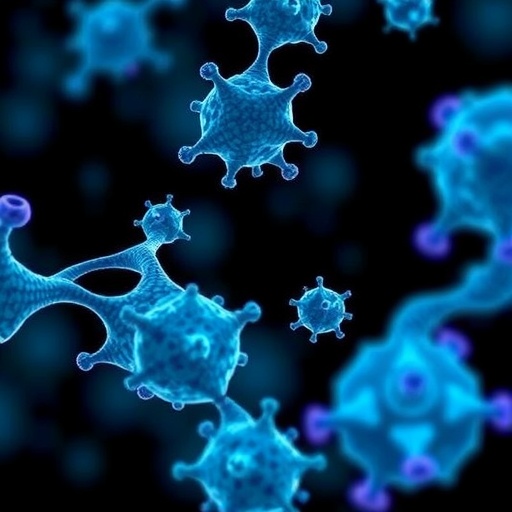
Cancer’s complexity exceeds mere DNA mutations and genomic alterations; it is a dynamic ecosystem where protein expression, post-translational modifications, and signaling cascades dictate cellular behavior, tumor progression, and therapeutic response. Proteomic technologies provide the crucial bridge linking genotype to phenotype, capturing the functional consequences of genetic aberrations and environmental influences. Mass spectrometry-driven proteomics now enables researchers to dissect entire proteomes with unprecedented scale and granularity, from bulk tissue samples down to individual cells, delivering a comprehensive molecular atlas of cancer.
The advent of advanced mass spectrometry has transformed proteomics into a scalable, high-throughput platform capable of generating quantitative, site-specific protein data paired with information on modifications such as phosphorylation and ubiquitination. These insights illuminate the signaling pathways and regulatory circuits that drive oncogenic processes, yielding biomarkers that can predict prognosis, drug responsiveness, and resistance mechanisms. This level of molecular dissection extends far beyond what static genomic sequencing provides, offering a dynamic snapshot of tumor biology in action.
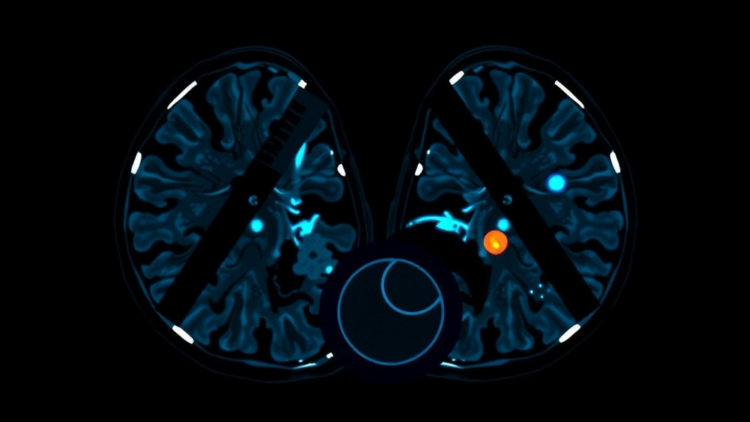
Single-cell and spatial proteomics technologies mark a revolutionary leap forward, enabling the mapping of protein expression and modification patterns within discrete cellular niches and microenvironments. This spatial and cellular resolution exposes tumor heterogeneity at a level that genomic studies alone cannot capture, revealing how diverse cell populations contribute to cancer progression and therapeutic evasion. By capturing context-specific data, these techniques fuel the development of precision therapies tailored to the multifaceted ecosystem of each patient’s tumor.
Artificial intelligence integration with proteomic and multi-omic datasets represents another transformative frontier in precision oncology. Machine learning algorithms are being employed to analyze complex, high-dimensional data, uncovering hidden patterns and predictive models that inform clinical decision-making. This synergy accelerates the identification of novel biomarkers and therapeutic targets, streamlines patient stratification, and customizes treatment regimens based on the unique proteomic signature of individual tumors.
Proteomics also offers unparalleled insights into post-translational modifications (PTMs), critical regulatory mechanisms that modulate protein function, localization, and interactions. Unlike genomic alterations, PTMs convey real-time cellular responses to intrinsic and extrinsic stimuli. Mapping PTM landscapes across cancer types enhances understanding of cellular signaling abnormalities and reveals vulnerabilities exploitable by targeted therapies, thereby expanding the arsenal against resistant and aggressive cancers.
The review highlights how proteomics-driven approaches are reshaping clinical oncology paradigms by facilitating biomarker discovery that directly translates into diagnostic and prognostic tools. These biomarkers provide clinicians with actionable molecular information, supporting early detection, treatment monitoring, and prediction of outcomes. Integration of proteomic biomarkers with genomic and transcriptomic data within multi-omic frameworks enhances accuracy and robustness, paving the way for truly personalized medicine.
While proteomics has historically faced challenges such as sample complexity, sensitivity limitations, and data processing bottlenecks, recent technological breakthroughs are rapidly overcoming these hurdles. Advances in mass spectrometry instrumentation, sample preparation protocols, and computational algorithms have dramatically enhanced throughput, sensitivity, and reproducibility, enabling comprehensive and clinically relevant proteomic profiles. This progress signals a new era where proteomics will routinely complement genomics in the clinical setting.
Furthermore, spatial proteomics techniques, including imaging mass cytometry and multiplexed immunofluorescence, are decoding the tumor microenvironment with astounding precision. These methods stratify cellular neighborhoods, immune infiltrates, and stromal components, defining how intercellular interactions influence tumor biology and therapeutic resistance. Such detailed mapping drives the development of combination therapies that target both cancer cells and their supportive milieu.
The integration of proteomics with AI-driven analyses holds profound implications for predictive oncology. By training predictive models on large-scale proteomic and clinical datasets, researchers can forecast tumor evolution, treatment response, and potential relapse. This capability enables preemptive therapeutic adjustments and optimized patient management, marking a critical step toward real-time, adaptive oncology care.
Looking ahead, the fusion of single-cell proteomics, spatial technologies, and machine learning is poised to unravel cancer’s deepest mysteries. The proteome serves not only as a molecular fingerprint reflecting disease state but also as a dynamic driver influencing tumor behavior and therapeutic susceptibility. Harnessing this knowledge promises to redefine precision oncology, transforming cancer from a monolithic disease into a constellation of molecularly defined, treatable conditions.
This comprehensive review calls upon the oncology and proteomics communities to embrace multi-omics integration powered by AI to unlock the full potential of proteomics in clinical translation. As proteomic datasets expand and technological innovations continue, a future where cancer treatments are precisely tailored to the molecular profile of each patient’s tumor inches closer to reality, heralding improved survival and quality of life.
The proteomics revolution in oncology is more than a technological advance; it is a conceptual evolution that recognizes proteins as the ultimate executors of biological function and the key to decoding cancer’s complexity. As proteomics-driven precision oncology matures, it promises to transform biomarker discovery, therapeutic targeting, and personalized patient care, opening new frontiers in the ongoing battle against cancer.
Subject of Research: People
Article Title: Proteomics-driven precision oncology: from molecular profiling to biomarker discovery
News Publication Date: 10-Apr-2026
Web References: DOI 10.55092/acr20260002
Image Credits: Yixuan Shi/Zhengzhou University, China
Keywords: proteomics, precision oncology, cancer biomarkers, mass spectrometry, single-cell proteomics, spatial proteomics, artificial intelligence, multi-omics integration, post-translational modifications, tumor heterogeneity
Tags: cancer biomarker discoveryhigh-throughput proteomic technologiesmass spectrometry for cancer researchmolecular profiling in cancerpost-translational modifications in cancerprecision oncology proteomicsprotein signaling pathways in tumorsproteome analysis in oncologyproteomics beyond genomics in cancerproteomics-driven therapeutic targetsquantitative proteomics in precision medicinetumor heterogeneity and proteomics