

• HOME
  • NEWS
  • EXPLORE
    • CAREER
      • Companies
      • Jobs
    • EVENTS
    • iGEM
      • News
      • Team
    • PHOTOS
    • VIDEO
    • WIKI
  • BLOG
  • COMMUNITY
    • FACEBOOK
    • INSTAGRAM
    • TWITTER
Monday, May 18, 2026
BIOENGINEER.ORG
No Result
View All Result
  • Login
  • HOME
  • NEWS
  • EXPLORE
    • CAREER
      • Companies
      • Jobs
        • Lecturer
        • PhD Studentship
        • Postdoc
        • Research Assistant
    • EVENTS
    • iGEM
      • News
      • Team
    • PHOTOS
    • VIDEO
    • WIKI
  • BLOG
  • COMMUNITY
    • FACEBOOK
    • INSTAGRAM
    • TWITTER
  • HOME
  • NEWS
  • EXPLORE
    • CAREER
      • Companies
      • Jobs
        • Lecturer
        • PhD Studentship
        • Postdoc
        • Research Assistant
    • EVENTS
    • iGEM
      • News
      • Team
    • PHOTOS
    • VIDEO
    • WIKI
  • BLOG
  • COMMUNITY
    • FACEBOOK
    • INSTAGRAM
    • TWITTER
No Result
View All Result
Bioengineer.org
No Result
View All Result
Home NEWS Science News Biology

Abandoned farmlands enrich bird communities

Bioengineer by Bioengineer
August 3, 2018
in Biology
Reading Time: 2 mins read
0
Share on FacebookShare on TwitterShare on LinkedinShare on RedditShare on Telegram
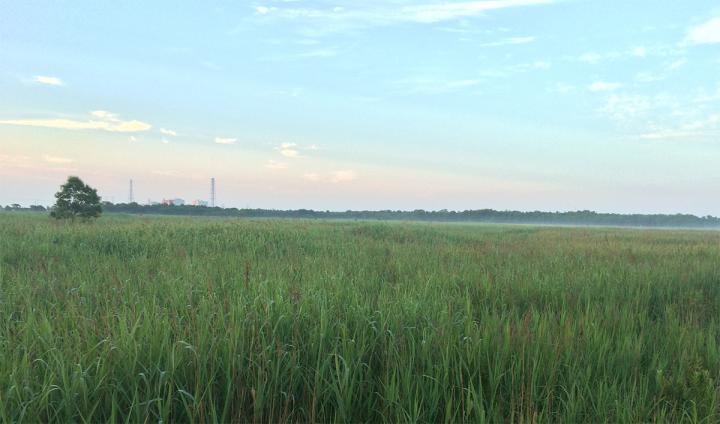
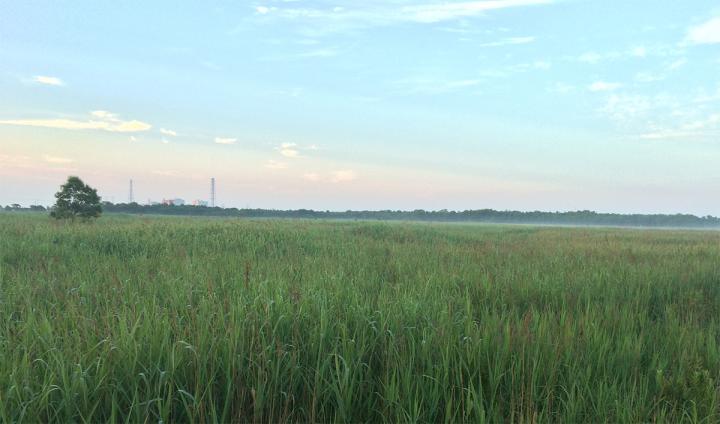
IMAGE

Credit: Forestry and Forest Products Research Institute and Hokkaido University

Joint press release by Forestry and Forest Products Research Institute and Hokkaido University.

Abandoned farmlands hold potential for the preservation of wetland and grassland birds as rehabilitation zones.

Agriculture and conversion of pristine lands into urban or industrial areas have exerted immense pressure on the natural biota due to habitat destruction and fragmentation in industrialized countries around the world. But since the 1900s, farmlands have been increasingly abandoned due to the decline in domestic agriculture and, in some countries, a decline in population. This yields an opportunity for abandoned farmlands to be used as rehabilitation zones for grassland, wetland, and forest animals. However, it has so far remained unclear how valuable for sustaining specific animal communities farmlands, abandoned farmlands, and natural habitats are relative to each other.

Hokkaido University's Futoshi Nakamura and his collaborators including Yuichi Yamaura of Forestry and Forest Products Research Institute, published in the journal Agriculture, Ecosystems and Environment, studied bird species distribution over an area in central Hokkaido, Japan. The group then correlated abundance and species richness of different bird communities with different degrees of farmland abandonment and the landscape structure. Mapped back onto the landscape of the known composition, this allowed them to evaluate the potential to conserve different bird communities if existing farmlands in a given area were to be abandoned.

The team came to the conclusions that abandoned farmlands, especially when not surrounded by forests, benefit wetland and grassland birds more than other bird communities. However, how well a farmland can be reclaimed depends centrally on the intensity of farmland usage before abandonment. Furthermore, different landscape structure properties affect bird communities in differential ways. For example, a large proportion of newly abandoned farmland within a given area can increase species richness of wetland bird species, favoring rare bird species; on the other hand, farmland abandonment in open areas can increase abundance of wetland species, favoring common species.

The effects of landscape structure on animal communities are complex and, as a result, different studies report conflicting results. However, this recent study clearly indicates that abandoned farmlands can be used for the preservation of wetland and grassland fauna. In addition, it untangles some of the factors underlying complicated interactions, thus yielding valuable insights for choosing land plots for specific conservation efforts.

###

Media Contact

Naoki Namba
81-117-062-185
@hokkaidouni

https://www.global.hokudai.ac.jp/

Original Source

https://www.global.hokudai.ac.jp/blog/abandoned-farmlands-enrich-bird-communities/ http://dx.doi.org/10.1016/j.agee.2018.06.014


Share13Tweet8Share2ShareShareShare2

Related Posts

Uncovering C. elegans Immunity via Genetic Screens — Biology

Uncovering C. elegans Immunity via Genetic Screens

May 16, 2026
Single mother must adapt swiftly — the survival of her colony depends on it — Biology

Single mother must adapt swiftly — the survival of her colony depends on it

May 15, 2026

Why Are Nearly Everyone Right-Handed? It Might Be Linked to How We Learned to Walk

May 15, 2026

Excessive Neuronal Activity Initiates Severe Autoimmune Brain Disorder

May 15, 2026
Please login to join discussion

POPULAR NEWS

  • Research Indicates Potential Connection Between Prenatal Medication Exposure and Elevated Autism Risk

    844 shares
    Share 338 Tweet 211
  • New Study Reveals Plants Can Detect the Sound of Rain

    731 shares
    Share 292 Tweet 182
  • Salmonella Haem Blocks Macrophages, Boosts Infection

    62 shares
    Share 25 Tweet 16
  • Breastmilk Balances E. coli and Beneficial Bacteria in Infant Gut Microbiomes

    58 shares
    Share 23 Tweet 15

About

We bring you the latest biotechnology news from best research centers and universities around the world. Check our website.

Follow us

Recent News

DKC1 Drives Colorectal Cancer via Sphingolipid Disruption

Health and Carbon Footprint of Barcelona’s Water Choices

Compression Spurs Tumor Spread via Malate-Microtubule Pathway

Subscribe to Blog via Email

Enter your email address to subscribe to this blog and receive notifications of new posts by email.

Join 82 other subscribers
  • Contact Us

Bioengineer.org © Copyright 2023 All Rights Reserved.

Welcome Back!

Login to your account below

Forgotten Password?

Retrieve your password

Please enter your username or email address to reset your password.

Log In
No Result
View All Result
  • Homepages
    • Home Page 1
    • Home Page 2
  • News
  • National
  • Business
  • Health
  • Lifestyle
  • Science

Bioengineer.org © Copyright 2023 All Rights Reserved.