• HOME
  • NEWS
  • EXPLORE
    • CAREER
      • Companies
      • Jobs
    • EVENTS
    • iGEM
      • News
      • Team
    • PHOTOS
    • VIDEO
    • WIKI
  • BLOG
  • COMMUNITY
    • FACEBOOK
    • INSTAGRAM
    • TWITTER
Thursday, June 25, 2026
BIOENGINEER.ORG
No Result
View All Result
  • Login
  • HOME
  • NEWS
  • EXPLORE
    • CAREER
      • Companies
      • Jobs
        • Lecturer
        • PhD Studentship
        • Postdoc
        • Research Assistant
    • EVENTS
    • iGEM
      • News
      • Team
    • PHOTOS
    • VIDEO
    • WIKI
  • BLOG
  • COMMUNITY
    • FACEBOOK
    • INSTAGRAM
    • TWITTER
  • HOME
  • NEWS
  • EXPLORE
    • CAREER
      • Companies
      • Jobs
        • Lecturer
        • PhD Studentship
        • Postdoc
        • Research Assistant
    • EVENTS
    • iGEM
      • News
      • Team
    • PHOTOS
    • VIDEO
    • WIKI
  • BLOG
  • COMMUNITY
    • FACEBOOK
    • INSTAGRAM
    • TWITTER
No Result
View All Result
Bioengineer.org
No Result
View All Result
Home NEWS Science News Health

A common gut virus that maps our travels

Bioengineer by Bioengineer
July 8, 2019
in Health
Reading Time: 2 mins read
0
IMAGE
Share on FacebookShare on TwitterShare on LinkedinShare on RedditShare on Telegram

IMAGE

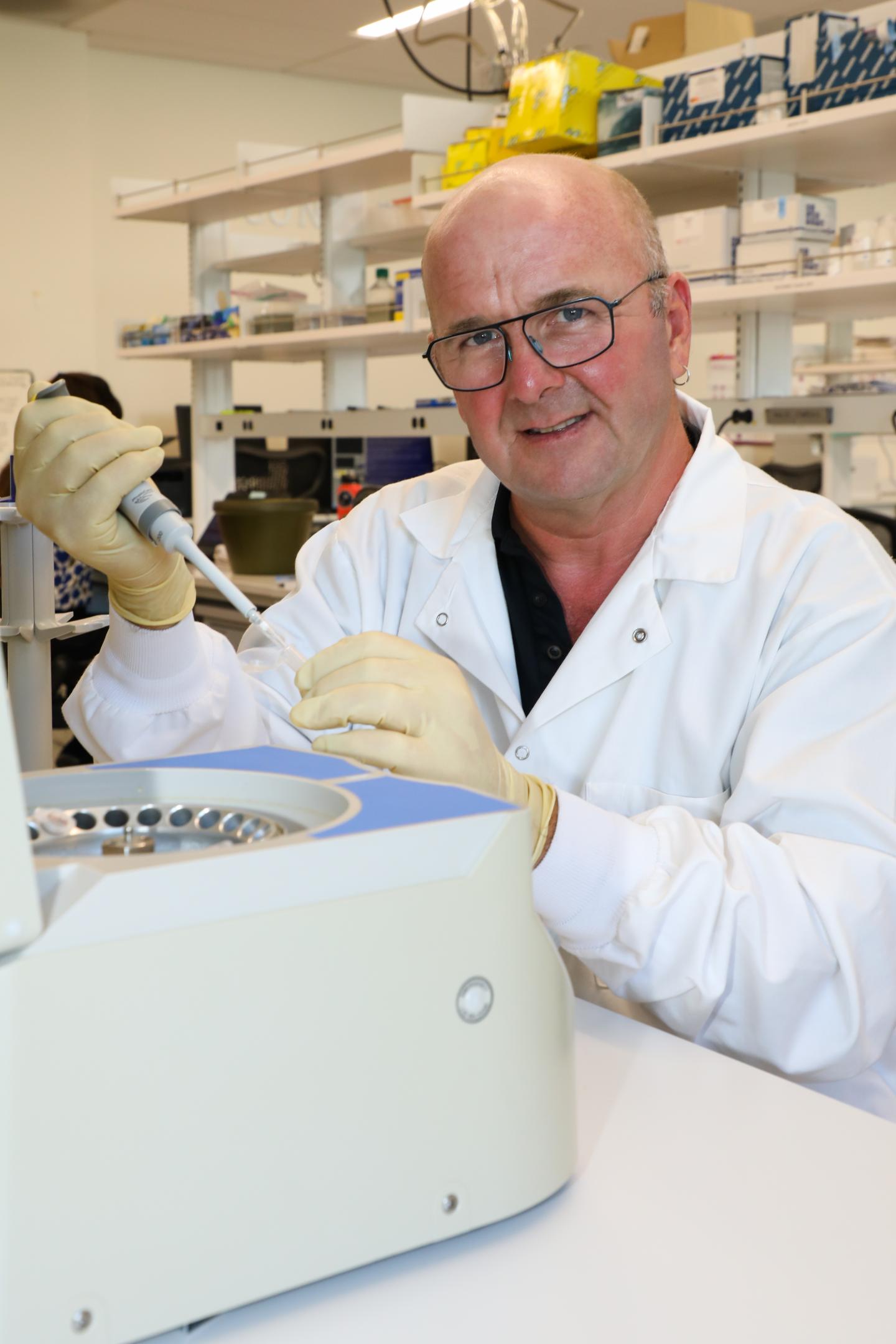
Credit: San Diego State University

Travelling abroad for the summer can change a person’s perspective–and it can also change the makeup of his gut.

A San Diego State University researcher has found evidence that a virus nicknamed crAssphage, found in the guts of about 70 percent of the world’s population, has a country-specific biomarker that changes rapidly as humans travel from one location to another.

Bioinformatics researcher and professor Rob Edwards’ study is the first to examine the global similarity of viruses in the human microbiome. His research also suggests that a relative of this crAssphage was living in primates and may have evolved alongside humans for millions of years. The research will be published in Nature Microbiology July 8th.

Edwards and colleagues discovered the existence of crAssphage in 2014 by using computer software rather than petri dishes to analyze fecal samples. This data-driven approach indicated crAssphage was not only “a benign globetrotter,” but also “an integral part of the normal human gut virome.”

He challenged the scientific community to join him in a kind of global treasure hunt for the virus, also called a bacteriophage. The response was overwhelming: 117 researchers, clinicians and academics together analyzed 32,273 different crAssphage sequences from more than 65 countries on six continents and found the phage, a type of virus that specifically infects bacteria, to be “a cosmopolitan inhabitant of the human gut the world over.”

Key to this discovery were the worldwide scientific community of volunteers who helped make it happen by testing water from sewage plants, rivers, lakes, and ponds in their native countries.

Edwards said this recent discovery “is an illustration of how viruses move around the planet and are reflected in our microbiomes. We’re just beginning to scratch the surface, but eventually, we may be able to manipulate the microbiome to target harmful bacteria. That would be a key step toward personalized medicine.”

###

Media Contact
Padma Nagappan
[email protected]

Original Source

https://www.nature.com/articles/s41564-019-0494-6

Related Journal Article

http://dx.doi.org/10.1038/s41564-019-0494-6

Tags: BioinformaticsBiologyInfectious/Emerging DiseasesMedicine/HealthMicrobiologyVirology
Share12Tweet8Share2ShareShareShare2

Related Posts

Tracking Lanthanide-Labeled Microplastics in Plants

June 25, 2026

Neural Design Enables Zero-Shot Drug-Binding Proteins

June 25, 2026

Genomic Insights into Human Skin Fungi Diversity

June 25, 2026

Chiral Laser Gyroscopes Surpass Lock-In Limit

June 25, 2026
Please login to join discussion

POPULAR NEWS

  • Saying Goodbye to PGY-6: Pediatric Fellowship Realities

    103 shares
    Share 41 Tweet 26
  • Multi-Hospital Study Reveals Long Covid Burden Is Twice as High as Current Estimates

    92 shares
    Share 36 Tweet 23
  • Detection of EDCs in Breast Milk and Infant Urine Up to Six Months Highlights Early Exposure Risks

    77 shares
    Share 31 Tweet 19
  • New Drug Candidate Developed at McMaster Shows Potential for Treating Brain Cancer

    58 shares
    Share 23 Tweet 15

About

We bring you the latest biotechnology news from best research centers and universities around the world. Check our website.

Follow us

Recent News

Tracking Lanthanide-Labeled Microplastics in Plants

POSTECH Researchers Slash Cost of Reconstituted Cell-Free Systems by 95%

AI and Physics Collaborate to Design Advanced Hydrogen Storage Materials

Subscribe to Blog via Email

Enter your email address to subscribe to this blog and receive notifications of new posts by email.

Join 82 other subscribers
  • Contact Us

Bioengineer.org © Copyright 2023 All Rights Reserved.

Welcome Back!

Login to your account below

Forgotten Password?

Retrieve your password

Please enter your username or email address to reset your password.

Log In
No Result
View All Result
  • Homepages
    • Home Page 1
    • Home Page 2
  • News
  • National
  • Business
  • Health
  • Lifestyle
  • Science

Bioengineer.org © Copyright 2023 All Rights Reserved.