• HOME
  • NEWS
  • EXPLORE
    • CAREER
      • Companies
      • Jobs
    • EVENTS
    • iGEM
      • News
      • Team
    • PHOTOS
    • VIDEO
    • WIKI
  • BLOG
  • COMMUNITY
    • FACEBOOK
    • INSTAGRAM
    • TWITTER
Tuesday, October 6, 2026
BIOENGINEER.ORG
No Result
View All Result
  • Login
  • HOME
  • NEWS
  • EXPLORE
    • CAREER
      • Companies
      • Jobs
        • Lecturer
        • PhD Studentship
        • Postdoc
        • Research Assistant
    • EVENTS
    • iGEM
      • News
      • Team
    • PHOTOS
    • VIDEO
    • WIKI
  • BLOG
  • COMMUNITY
    • FACEBOOK
    • INSTAGRAM
    • TWITTER
  • HOME
  • NEWS
  • EXPLORE
    • CAREER
      • Companies
      • Jobs
        • Lecturer
        • PhD Studentship
        • Postdoc
        • Research Assistant
    • EVENTS
    • iGEM
      • News
      • Team
    • PHOTOS
    • VIDEO
    • WIKI
  • BLOG
  • COMMUNITY
    • FACEBOOK
    • INSTAGRAM
    • TWITTER
No Result
View All Result
Bioengineer.org
No Result
View All Result
Home NEWS Science News

A cheaper way to scale up atomic layer deposition

Bioengineer by Bioengineer
November 11, 2019
in Science News
Reading Time: 2 mins read
0
IMAGE
Share on FacebookShare on TwitterShare on LinkedinShare on RedditShare on Telegram

IMAGE

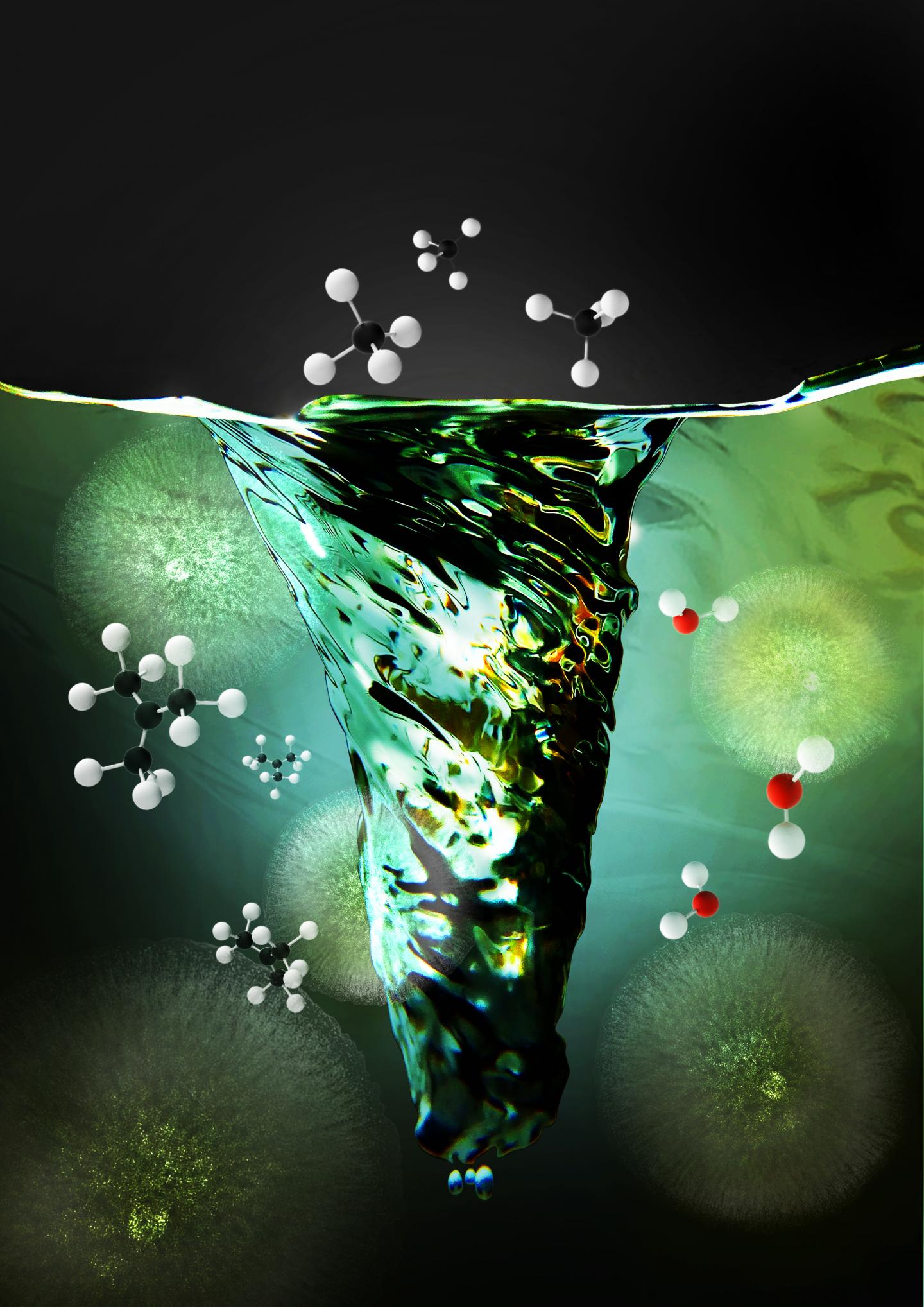
Credit: J. Luterbacher (EPFL)


Atomic layer deposition (ALD) involves stacking layers of atoms on top of each other like pancakes. The atoms come from a vaporized material called a precursor. ASD is a well-established technique for manufacturing microelectronics like semiconductors and magnetic heads for sound recording, as well as sensors for bioengineering and diagnostics.

However, using ALD for depositing layers on larger surfaces has been a struggle, especially when it comes to manufacturing materials that must be kept at low cost, e.g. catalysts and solar devices.

“The sticking point is not necessarily making the right material but making it cheaply,” explains Professor Jeremy Luterbacher, head of EPFL’s Laboratory of Sustainable and Catalytic Processing (LPDC). “Coating larger surface areas with gas-phase methods requires long deposition times, and huge excesses of precursor, both of which increase costs,” adds Benjamin Le Monnier, the PhD student who performed most of the research.

Now, the LPDC has developed a solution. Using ALD in a liquid phase, the scientists can produce materials indistinguishable from those made in the gas phase, with far cheaper equipment and no excess precursors.

Greater precision cuts costs

The researchers achieved this breakthrough by carefully measuring the ratio of the reacting precursors before injecting them onto the surface of a substrate. This way, they used exactly the right amount of precursor, with no leftovers that can cause unwanted reactions or be wasted.

The new method also reduces costs by requiring only standard lab equipment for chemical synthesis. It can also be easily scaled up to coat more than 150 g of material with the same cheap equipment, without loss of coating quality. The technique can even achieve coatings that are not possible using gas-phase ALD, e.g. by using non-volatile precursors.

“We believe that this technique could greatly democratize the use ALD on catalysts and other high surface area materials,” says Luterbacher.

###

Reference

Benjamin P. Le Monnier, Frederick Wells, Farzaneh Talebkeikhah, Jeremy S. Luterbacher. Atomic layer deposition on dispersed materials in liquid phase by stoichiometrically limited injections. Advanced Materials 11 November 2019. DOI: 10.1002/adma.201904276

Media Contact
Nik Papageorgiou
[email protected]
41-216-932-105

Related Journal Article

http://dx.doi.org/10.1002/adma.201904276

Tags: Biomedical/Environmental/Chemical EngineeringChemistry/Physics/Materials SciencesElectrical Engineering/ElectronicsHardwareIndustrial Engineering/ChemistryMaterials
Share12Tweet8Share2ShareShareShare2

Related Posts

EHR Alerts Steer Faster, Evidence-Based Care for Critically Ill Cardiac Patients

EHR Alerts Steer Faster, Evidence-Based Care for Critically Ill Cardiac Patients

October 6, 2026
Mustard Leaf Extracts Wage Chemical Warfare on Invasive Green Amaranth Weed

Mustard Leaf Extracts Wage Chemical Warfare on Invasive Green Amaranth Weed

October 6, 2026

Giant Muscle Gene Titin Emerges as a Driver of Drug-Resistant Childhood Leukemia

October 6, 2026

Bubbles Reshape the Hydraulic Jump: CFD Reveals a Threshold Where Air Transforms Dam Spillway Flows

October 6, 2026
Please login to join discussion

POPULAR NEWS

  • Alloys That Shrink Their Own Grains: New PIX Mechanism Refines Metals With Heat Alone

    Alloys That Shrink Their Own Grains: New PIX Mechanism Refines Metals With Heat Alone

    29 shares
    Share 12 Tweet 7
  • Endurance Exercise Reshapes the Liver in Males and Females Through Distinct Molecular Routes

    29 shares
    Share 12 Tweet 7
  • Single Transcription Factor PU.1 Rapidly Converts Fibroblasts into Macrophage-Lineage Cells

    29 shares
    Share 12 Tweet 7
  • New Scale Measures How Ready Nurse Educators Really Are for the AI Era

    29 shares
    Share 12 Tweet 7

About

We bring you the latest biotechnology news from best research centers and universities around the world. Check our website.

Follow us

Recent News

Alloys That Shrink Their Own Grains: New PIX Mechanism Refines Metals With Heat Alone

Endurance Exercise Reshapes the Liver in Males and Females Through Distinct Molecular Routes

Single Transcription Factor PU.1 Rapidly Converts Fibroblasts into Macrophage-Lineage Cells

Subscribe to Blog via Email

Success! An email was just sent to confirm your subscription. Please find the email now and click 'Confirm' to start subscribing.

Join 85 other subscribers
  • Contact Us

Bioengineer.org © Copyright 2023 All Rights Reserved.

Welcome Back!

Login to your account below

Forgotten Password?

Retrieve your password

Please enter your username or email address to reset your password.

Log In
No Result
View All Result
  • Homepages
    • Home Page 1
    • Home Page 2
  • News
  • National
  • Business
  • Health
  • Lifestyle
  • Science

Bioengineer.org © Copyright 2023 All Rights Reserved.