Credit: Lindsay Stark
A yearlong program for adolescent girl refugees in Sub-Saharan Africa successfully promoted healthy transitions to adulthood within the evaluation period, according to the results of randomized controlled trials in Ethiopia and the Democratic Republic of Congo. The studies, which appear in BMJ: Global Health, were led by researchers in the Program on Forced Migration and Health at Columbia University's Mailman School of Public Health.
The COMPASS program (Creating Opportunities through Mentoring, Parental Involvement, and Safe Spaces), developed by the International Rescue Committee, was implemented in refugee camps in Ethiopia and in conflict-affected communities in eastern Democratic Republic of Congo (DRC), and Khyber Pakhtunkwah province, Pakistan. (Pakistan findings appeared in a separate journal article in the Prevention Science.)
Baseline surveys found a majority of girls experienced sexual, physical, or emotional violence, and most girls accepted norms of gender inequality and violence against women in the home. One in five girls experienced early marriage, or were living with a man as if married, and expressed low expectations about the level of education a girl should complete. Few girls said they had an adult they could talk to if they experienced gender-based violence (GBV), and they had limited knowledge of professional services to help survivors of violence.
"There is a huge gap in programming for adolescent girls in emergencies," says first author Lindsay Stark, DrPH, associate professor of social work and public health at Washington University in St. Louis's Brown School and former associate professor of Population and Family Health at the Columbia Mailman School. "Programming tends to either be geared towards younger children (e.g. child-friendly spaces) or geared towards adult women (e.g. GBV services). Adolescents' unique needs and issues are rarely addressed."
"The humanitarian community must ensure that the unique needs of adolescent girls are addressed, as they remain amongst the most marginalized populations in the world," says Julia Thomas, head of Strategic Initiatives, Violence Prevention, and Response at the International Rescue Committee. "In times of conflict, they are at greater risk of exploitation and abuse, which has grave long-term implications, as they are denied the chance to reach their full potential. We must build on programs like COMPASS to put an end to gender based violence and to empower and protect adolescent girls everywhere."
Ethiopia
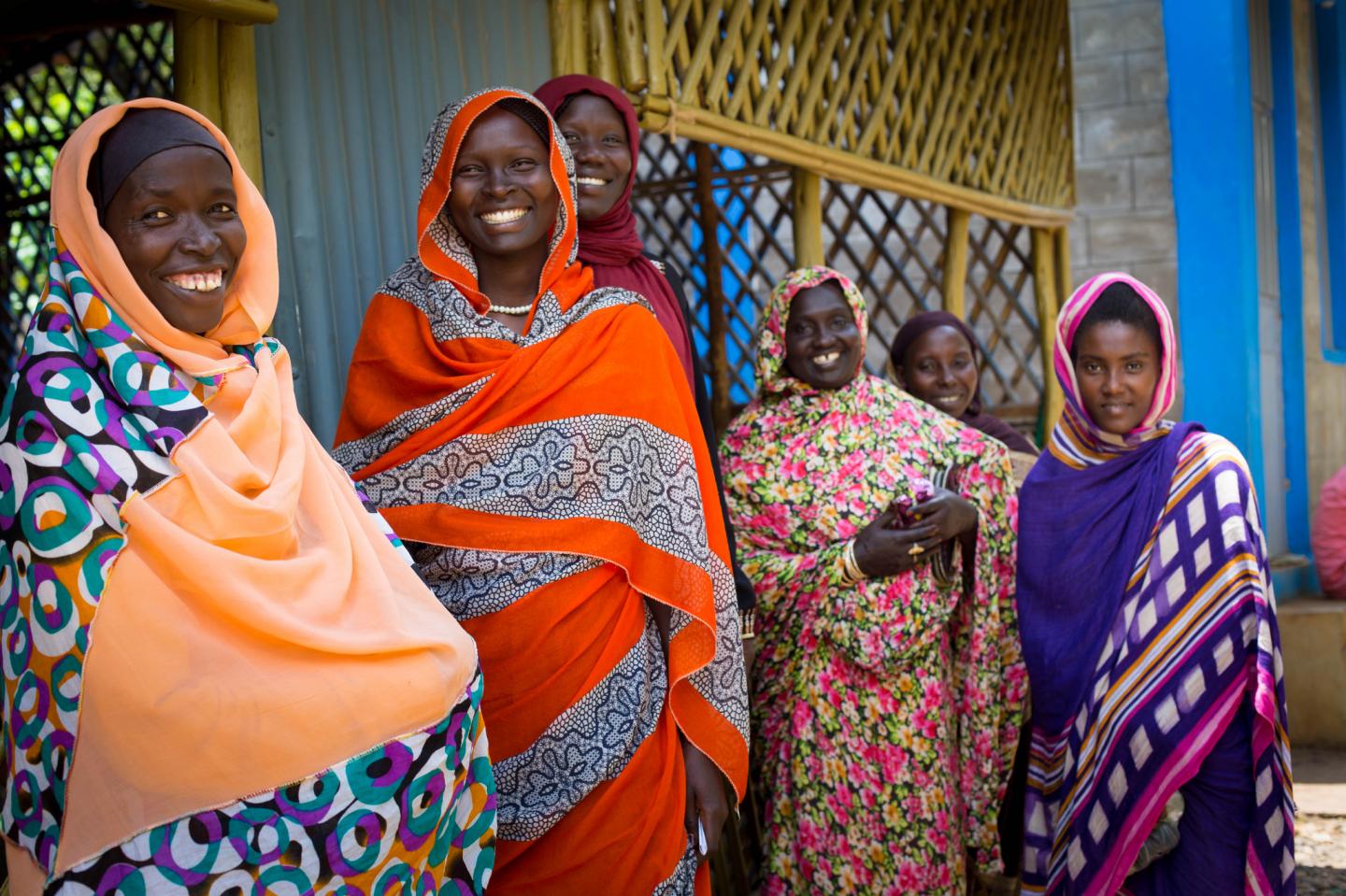
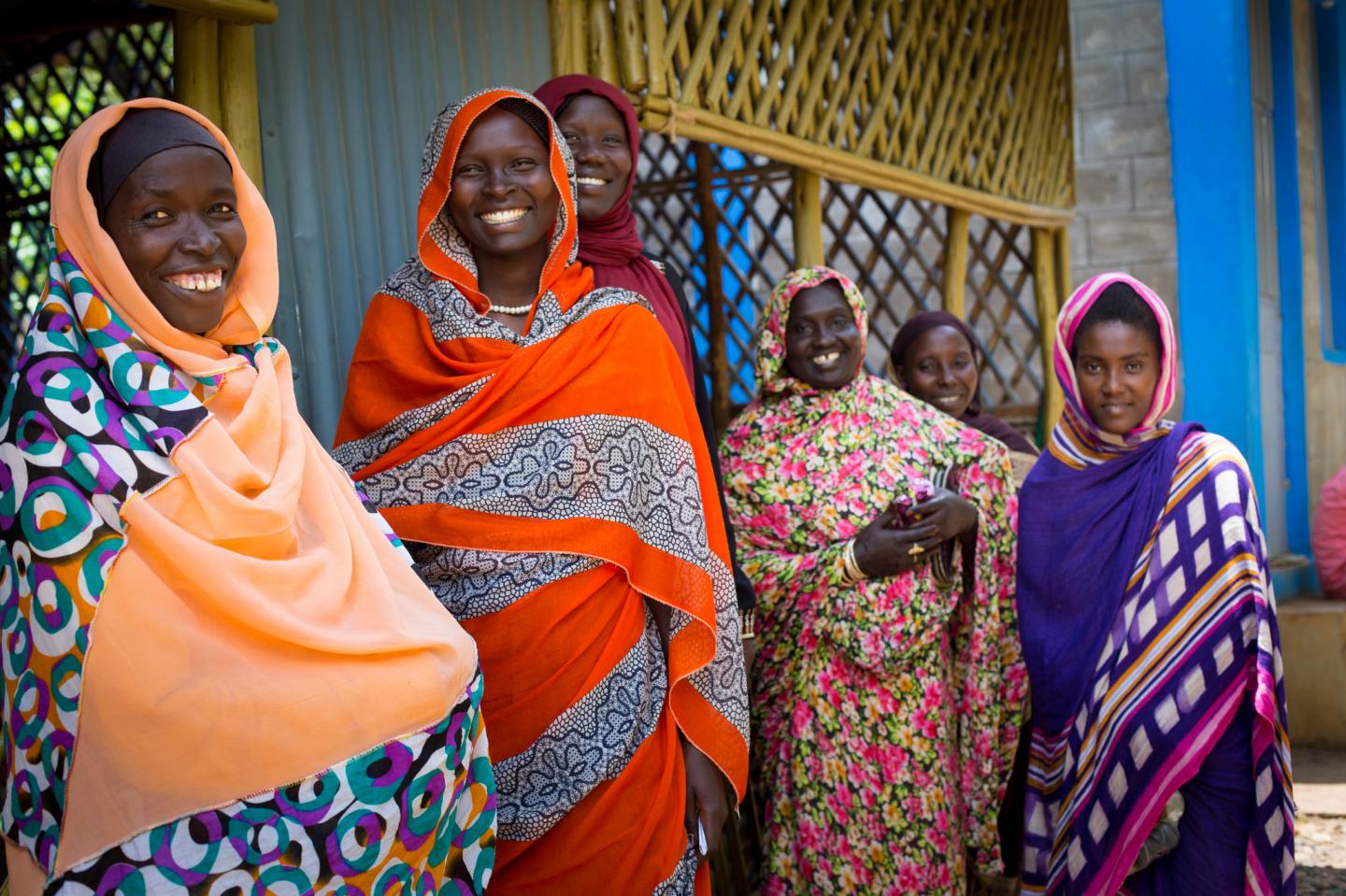
A randomized controlled trial of 986 Sudanese and South Sudanese girls ages 13-19 residing in refugee camps in Ethiopia tested an intervention of weekly classes that taught life skills geared to build girls' knowledge of violence risk factors, reshape attitudes about gender roles, expand social networks, and improve decision-making and negotiation skills, ultimately to equip them to advocate for their rights and physical safety. These sessions were delivered in female-only safe spaces where girls could meet and form friendships and connect with mentors. Each participating adolescent girl was also invited to select a caregiver to participate in complementary monthly classes that facilitated discussion on ways to support adolescent girls, foster gender equitable attitudes, and non-violent methods of child discipline.
Analyses showed no significant effect of the intervention on reports of sexual violence, physical violence, emotional violence, transactional sex, as well as no effect on perceived feelings of safety. However, girls randomized to the life skills lessons expressed a greater value in prolonged schooling and delayed marriage compared to girls in the control group. Girls in the intervention arm were also nearly twice as likely to report having friends their own age and a trusted non-family female adult in their life. In an unpublished finding, the researchers found girls in the intervention were also more likely to know where to go if they experienced violence. The program also showed a reduction in child marriage for girls who were married or living with a partner as if married at baseline. Informal reports from program staff suggest that girls who were living with boyfriends as if married left those relationships and returned home.
Democratic Republic of Congo
A randomized control trial followed 869 adolescent girls ages 10-14 and 764 caregivers residing in South Kivu, DRC, focused on the added impact of caregiver classes. Adolescent girls in both study arms participated in similar life skills sessions to the intervention in Ethiopia with one arm getting additional caregiver sessions.
The researchers found no evidence that adding a caregiver component to this life skills program increased or reduced girls' exposure to any form of sexual violence, physical violence, child marriage, or transactional sex, beyond those of a program targeting girls alone. However, as compared to caregivers in the control arm, caregivers receiving the intervention exhibited greater warmth and affection toward their children at the conclusion of the study, though they did not report more gender equitable attitudes, or decreased acceptance of physical discipline.
More Work Needed
The researchers write that one year may not have been sufficient to measure the effectiveness of the COMPASS intervention against violence, as greater reductions may be seen as the girls' age. Nevertheless, the intervention made a difference in several other ways.
"The COMPASS program showed some important improvements in building girls' social networks in terms of friends and mentors, increasing knowledge about where to access services, and improving girls' attitudes around staying in school and getting married later," says Stark. "In thinking about how our learning can inform future programming, we have shown that harmful social and gender norms tended to persist, pointing to a need to do more work in this arena, including with men and boys. We also believe longer follow-up is critical for this kind of research, given the norms and behaviors programs like COMPASS are seeking to change."
"Exposure to violence is routine for many adolescent girls who are refugees," says Terry McGovern, JD, Harriet and Robert H. Heilbrunn Professor and Chair Population and Family Health at Columbia's Mailman School of Public Health. "We need to continue to investigate interventions that will reduce the likelihood and exposure to violence. With each intervention, we learn more about how to tackle this devastating problem."
###
Co-authors of the Ethiopia paper at the Columbia Mailman School include Khudejha Asghar (MPH '15), a research associate; Ilana Seff, a doctoral candidate; and Gary Yu (MPH '12). Additional co-authors include Teame Tesfay Gessesse, Leora Ward, Asham Assazenew Baysa, Amy Neiman, and Kathryn Falb. Additional authors of the DRC paper include: Ilana Seff, Khudejha Asghar, Danielle Roth, Theresita Bakamore, Mairi MacRae, Kathryn Falb, and Cecile Fanton D'Andon.
Financial support for the research was provided by the U.K. Department for International Development (DFID grant #40080602). The authors declare no conflicts of interest.
Media Contact
Tim Paul
[email protected]
212-305-2676
@ColumbiaMSPH
https://www.mailman.columbia.edu/
Related Journal Article
http://dx.doi.org/10.1136/bmjgh-2018-000825