Over the next five years, the National Heart, Lung, and Blood Institute, part of the National Institutes of Health, will award approximately $20 million to four academic centers to launch a new national Career Development Consortium for Excellence in Glycosciences:
- UC San Diego Program for Career Development in Glycosciences
- Johns Hopkins-Cleveland Clinic Program for Career Development in Glycosciences (Johns Hopkins University, Cleveland Clinic)
- BloodCenter of Wisconsin Program for Career Development in Glycosciences (BloodCenter of Wisconsin's Blood Research Institute, Medical College of Wisconsin, Virginia Commonwealth University and Roswell Park Cancer Institute)
- Harvard Program for Career Development in Glycosciences (Harvard University)
As part of the consortium, University of California San Diego will receive approximately $5 million over five years for its own Program for Career Development in Glycosciences. UC San Diego was also chosen to lead the consortium's national administrative coordinating unit.
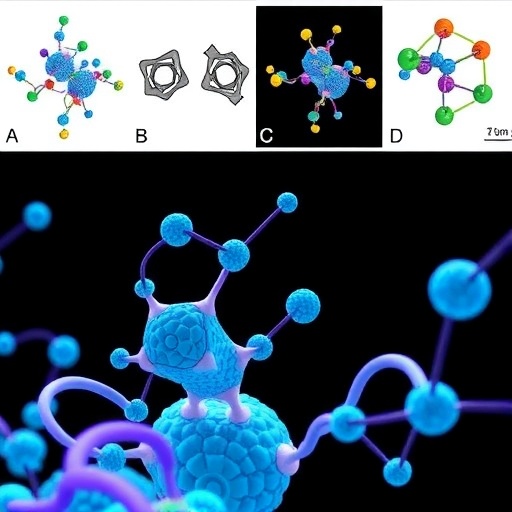
All life forms on Earth contain four basic building blocks: nucleic acids (DNA and RNA), proteins, lipids (including fats) and glycans (simple and complex carbohydrates). While almost everyone has heard of DNA, RNA and proteins, people typically associate fats and carbohydrates with unhealthy food and obesity. But life requires that all four components work together in various combinations. Mounting evidence also suggests glycans play important roles in human development, health and disease, and should be taken into account when new therapeutics are designed and tested.
"Since the molecular biology revolution of the 1980s and 1990s, most biomedical research has focused on DNA, RNA and proteins," said Ajit Varki, MD, Distinguished Professor of Medicine and Cellular and Molecular Medicine at UC San Diego School of Medicine. "Meanwhile, glycans have become the 'dark matter' of the biological universe — pervasive and critical, yet largely ignored by most researchers. As a result, our understanding of glycosciences, including glycan evolution, biological roles and clinical significance, have lagged far behind."
Varki is also adjunct professor at the Salk Institute for Biological Studies, co-director of the UC San Diego/Salk Center for Academic Research and Training in Anthropogeny and co-director of the UC San Diego Glycobiology Research and Training Center, which will manage the new program.
Varki will lead the cross-disciplinary UC San Diego Program for Career Development in Glycosciences with Jeff Esko, PhD, Distinguished Professor of Cellular and Molecular Medicine, and Kamil Godula, PhD, assistant professor in the Department of Chemistry and Biochemistry.
"Our new training program is an attempt to correct this anomaly in the history of biomedical science by making glycoscience more accessible, transforming the field from a super-specialized research domain to an integrated part of mainstream biology," said Esko, co-director of the Glycobiology Research and Training Center.
The UC San Diego program will recruit and train as many as 18 early career glycoscientists over the next five years. Program applicants must be recent graduates with MD, PhD or MD/PhD degrees able to commit to one to three years of rigorous coursework in glycosciences while completing research with an approved program mentor — one of 19 established UC San Diego faculty members studying various biological, chemical and biomedical aspects of glycans.
Trainees will also have access to leading-edge glycan research technologies in the GlycoAnalytics Core at UC San Diego School of Medicine, and opportunities to rotate in collaborating laboratories, network with visiting scholars and participate in local, national and international symposia.
"Our goal is to develop a cadre of biomedical researchers who will drive forward much needed glycoscience-based solutions to a large variety of life-threatening and debilitating diseases," Godula said.
With its existing Glycobiology Research and Training Center, UC San Diego School of Medicine brings more than 20 years of expertise to the new consortium. The center's leadership and faculty have already played key roles in national glycoscience efforts, while locally establishing coursework, creating the foundational textbook Essentials of Glycobiology (now in its third edition), establishing core facilities that support academic and industrial research, as well as organizing annual symposia to share new advances in the field.
###
Media Contact
Heather Buschman
[email protected]
858-249-0456
@UCSanDiego
http://www.ucsd.edu