

• HOME
  • NEWS
  • EXPLORE
    • CAREER
      • Companies
      • Jobs
    • EVENTS
    • iGEM
      • News
      • Team
    • PHOTOS
    • VIDEO
    • WIKI
  • BLOG
  • COMMUNITY
    • FACEBOOK
    • INSTAGRAM
    • TWITTER
Saturday, February 7, 2026
BIOENGINEER.ORG
No Result
View All Result
  • Login
  • HOME
  • NEWS
  • EXPLORE
    • CAREER
      • Companies
      • Jobs
        • Lecturer
        • PhD Studentship
        • Postdoc
        • Research Assistant
    • EVENTS
    • iGEM
      • News
      • Team
    • PHOTOS
    • VIDEO
    • WIKI
  • BLOG
  • COMMUNITY
    • FACEBOOK
    • INSTAGRAM
    • TWITTER
  • HOME
  • NEWS
  • EXPLORE
    • CAREER
      • Companies
      • Jobs
        • Lecturer
        • PhD Studentship
        • Postdoc
        • Research Assistant
    • EVENTS
    • iGEM
      • News
      • Team
    • PHOTOS
    • VIDEO
    • WIKI
  • BLOG
  • COMMUNITY
    • FACEBOOK
    • INSTAGRAM
    • TWITTER
No Result
View All Result
Bioengineer.org
No Result
View All Result
Home NEWS Science News Cancer

Researchers from CSI Singapore discover new way to inhibit development of lung cancer

Bioengineer by Bioengineer
August 5, 2016
in Cancer
Reading Time: 2 mins read
0
Share on FacebookShare on TwitterShare on LinkedinShare on RedditShare on Telegram
IMAGE

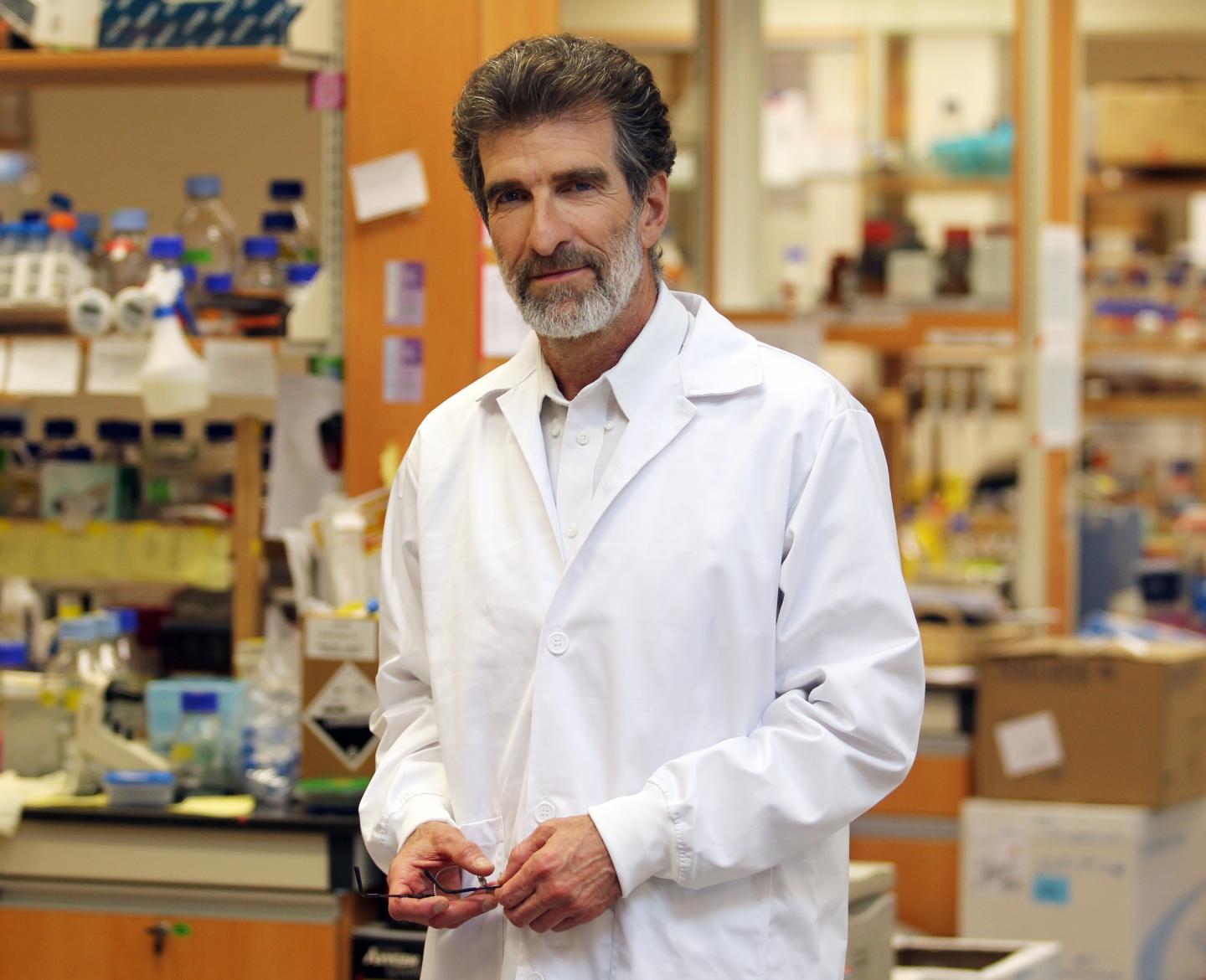
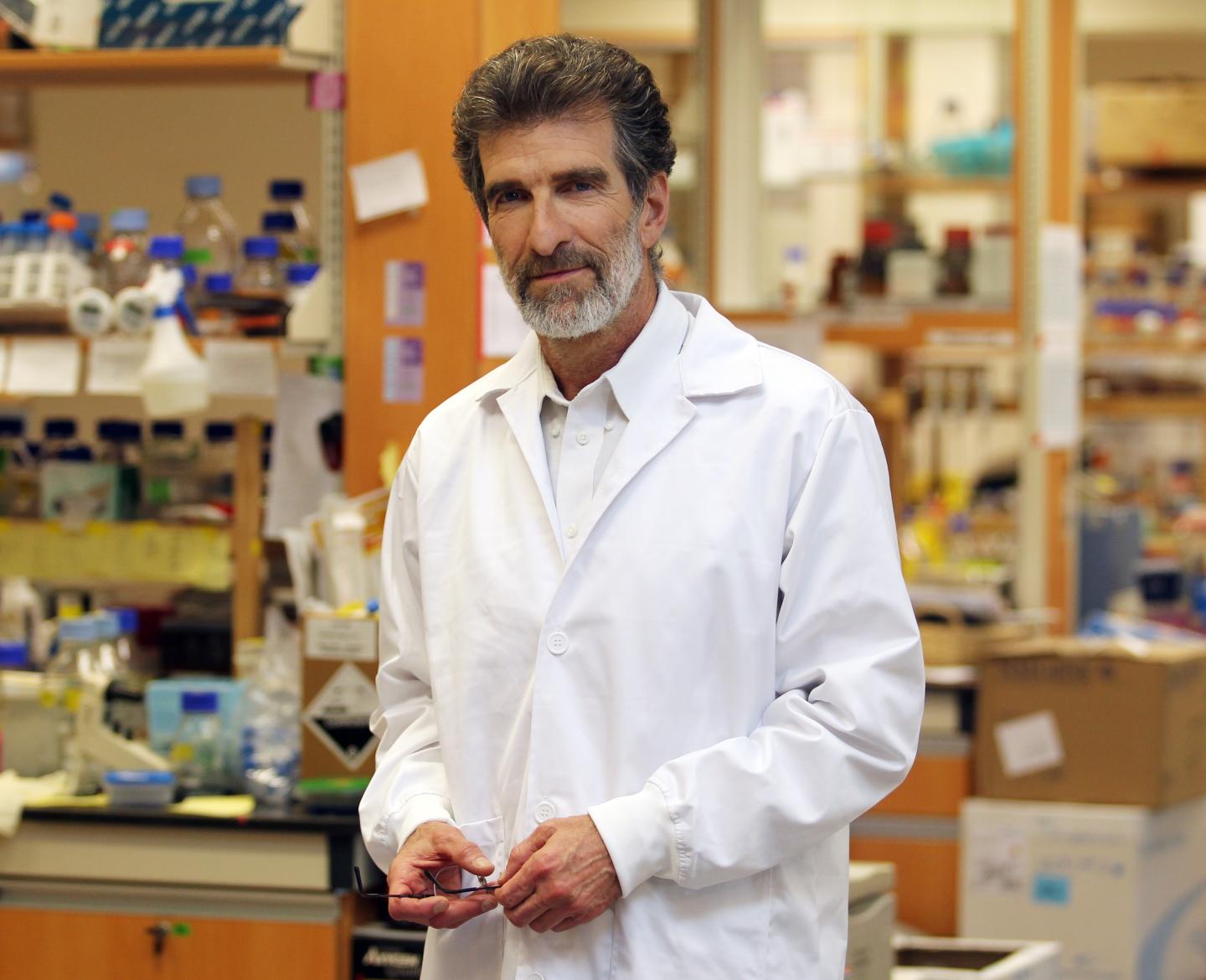
Researchers from the Cancer Science Institute of Singapore (CSI Singapore) at the National University of Singapore (NUS), in collaboration with Harvard Stem Cell Institute (HSCI), have discovered a new way in which the development of lung cancer can be stopped. In a study published in the journal Science Translational Medicine in August 2016, the researchers found that inhibiting a protein called BMI1 was able to impair tumour growth in lung cancer. The study was led by Professor Daniel Tenen, Director of CSI Singapore and his associate at HSCI, Dr Elena Levantini, and included Dr Kol Jia Yong, a former CSI Singapore graduate student of Prof Tenen. Dr Yong is one of the co-first authors of the study.

Lung cancer is one of the deadliest cancers in the world, accounting for 30 per cent of tumour-related deaths. Like many solid tumours, lung cancer is very heterogeneous (consisting of cancer cells which behave and respond differently) and hence there is currently no single efficient drug which is able to treat all patients.

Prof Tenen has worked on the differentiation factor C/EBPa for several decades, demonstrating that it is an important tumour suppressor, first in acute myelogenous leukemia, and subsequently, in studies in collaboration with Dr Levantini, in lung cancer. In addition, loss of C/EBPa has also been found to have a role in the development of other cancer types such as hepatic, squamous cell, and prostate cancer. Despite this, the ways in which C/EBPa suppresses tumour formation still remains unknown.

In the past few years, Dr Levantini continued the investigation of C/EBPa in lung cancer. She confirmed that one subtype of lung cancer called non-small cell lung cancer (NSCLC) frequently expressed low levels of C/EBPa. Low or absent C/EBPa resulted in poorer survival when they corresponded with a reciprocally high expression of BMI1, a gene implicated in the development of tumours of colon, breast, and stomach, as well as some forms of leukemia. Dr Levantini then went on to conduct a pre-clinical study in which deleting C/EBPa resulted in NSCLC. Analysis of this study led to the discovery that C/EBPa suppressed lung tumour formation by inhibiting the expression of BMI1. Dr Levantini then demonstrated that reducing the levels of BMI1 by genetic means, or by using a drug reducing expression of BMI1, led to inhibition of tumour formation.

“This study has established an important link between C/EBPa and BMI1 for the first time. Furthermore, these findings suggest that assessment of expression levels of these proteins could be used as a way to predict which patients might benefit from drugs which inhibit BMI1, some of which are currently being evaluated in clinical trials,” said Prof Tenen.

Moving forward, knowing the substantial role that BMI1 plays in the formation and development of aggressive lung cancer types, the findings of this study will contribute to the development of better therapies for cancer patients.

###

Media Contact

Goh Yu Chong
[email protected]
65-660-11653
@NUSingapore

http://www.nus.edu.sg/

The post Researchers from CSI Singapore discover new way to inhibit development of lung cancer appeared first on Scienmag.


Share12Tweet8Share2ShareShareShare2

Related Posts

Deep Learning Uncovers Tetrahydrocarbazoles as Potent Broad-Spectrum Antitumor Agents with Click-Activated Targeted Cancer Therapy Approach

February 7, 2026

Newly Discovered Limonoid DHL-11 from Munronia henryi Targets IMPDH2 to Combat Triple-Negative Breast Cancer

February 7, 2026

New Discovery Reveals Why Ovarian Cancer Spreads Rapidly in the Abdomen

February 6, 2026

New Study Finds Americans Favor In-Clinic Screening Over At-Home Tests for Cervical Cancer

February 6, 2026
Please login to join discussion

POPULAR NEWS

  • Robotic Ureteral Reconstruction: A Novel Approach

    Robotic Ureteral Reconstruction: A Novel Approach

    82 shares
    Share 33 Tweet 21
  • Digital Privacy: Health Data Control in Incarceration

    63 shares
    Share 25 Tweet 16
  • Study Reveals Lipid Accumulation in ME/CFS Cells

    57 shares
    Share 23 Tweet 14
  • Breakthrough in RNA Research Accelerates Medical Innovations Timeline

    53 shares
    Share 21 Tweet 13

About

We bring you the latest biotechnology news from best research centers and universities around the world. Check our website.

Follow us

Recent News

Inflammasome Protein ASC Drives Pancreatic Cancer Metabolism

Phage-Antibiotic Combo Beats Resistant Peritoneal Infection

Boosting Remote Healthcare: Stepped-Wedge Trial Insights

Subscribe to Blog via Email

Enter your email address to subscribe to this blog and receive notifications of new posts by email.

Join 73 other subscribers
  • Contact Us

Bioengineer.org © Copyright 2023 All Rights Reserved.

Welcome Back!

Login to your account below

Forgotten Password?

Retrieve your password

Please enter your username or email address to reset your password.

Log In
No Result
View All Result
  • Homepages
    • Home Page 1
    • Home Page 2
  • News
  • National
  • Business
  • Health
  • Lifestyle
  • Science

Bioengineer.org © Copyright 2023 All Rights Reserved.
