Credit: University of California, Berkeley
Scientists at UT Health San Antonio have edited a gene in the brain to decrease the repetitive behaviors of mice with fragile X syndrome, which is an inherited cause of autism spectrum disorders. The study is described in the July issue of Nature Biomedical Engineering.
The San Antonio researchers, who included study leader Hye Young Lee, Ph.D, and first author Bumwhee Lee, Ph.D., used nanoparticle carriers developed in California to inject a gene-editing enzyme called Cas9 into the striatum, a brain region associated with formation of habits.
Enzymes are proteins that trigger biochemical reactions. "The enzyme we used, Cas9, is like a pair of scissors," said Dr. Hye Young Lee, assistant professor in the Department of Cellular and Integrative Physiology at UT Health San Antonio. "We were able to cut the genetic blueprint, DNA, at a location that causes the exaggerated repetitive behaviors."
The researchers targeted Cas9 at a molecule called mGluR5 that is excitatory–it increases communications between neurons. The approach worked. The rodents' digging behavior slowed by 30 percent and the leaping behavior was reduced by 70 percent. In the process, the research revealed valuable information about mGluR5's function, Dr. Lee said.
Groundbreaking
The team is believed to be the first to successfully edit a causal gene for autism in the brain and diminish symptoms, the authors wrote. Significantly, the effect is permanent, Dr. Lee said.
"The approach can also be used to treat other diseases if we know the gene target," she said. This includes many neurological diseases such as epilepsy, and the brain cancer glioblastoma."
The study is also one of the first in the scientific literature to employ a safer, non-viral approach of Cas9 delivery to a brain region.
"Previous attempts by other groups used viral carriers to convey Cas9, which has potential problems because the virus can't be programmed to stop working," said Dr. Bumwhee Lee, postdoctoral fellow in Dr. Hye Young Lee's laboratory. "This can result in serious immune reactions and cell toxicity."
###
Collaboration
UT Health San Antonio scientists performed all of the mouse research. The study delivered Cas9 via CRISPR-Gold particles developed at the University of California, Berkeley, by Drs. Kunwoo Lee, Niren Murthy and Hyo Min Park, paper coauthors.
Dr. Hye Young Lee met the Berkeley scientists during her postdoctoral fellowship at the University of California, San Francisco, and began discussing her vision for the experiments. She later joined UT Health San Antonio as a young faculty member and is supported by a UT System Board of Regents Rising STARs award. This $250,000 award provided necessary instrumentation for this project, Dr. Lee said.
UT Health San Antonio has filed a U.S. patent on the use of CRISPR-Gold to target the mGluR5 molecule for therapeutic use in diminishing autism-like behaviors.
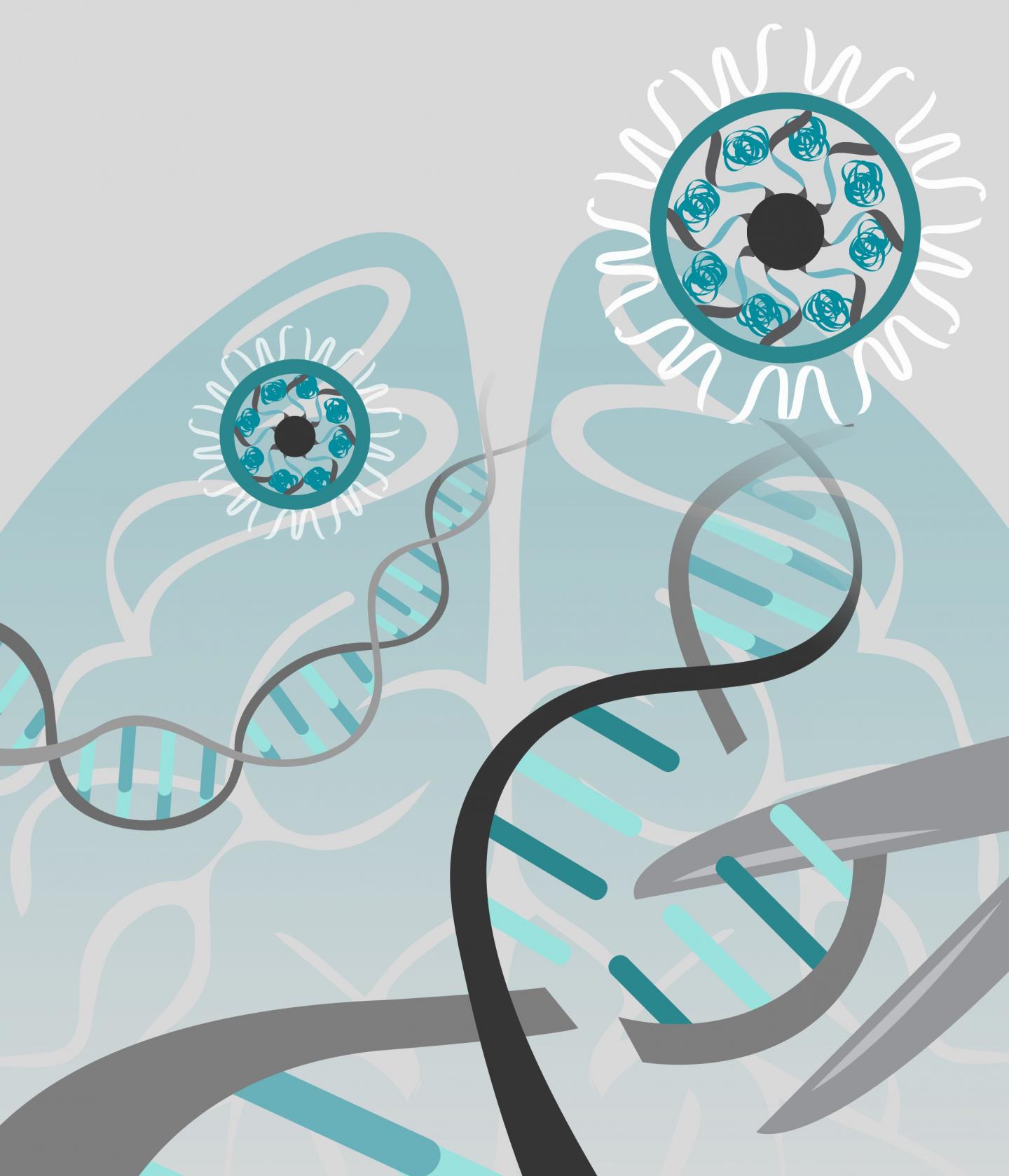
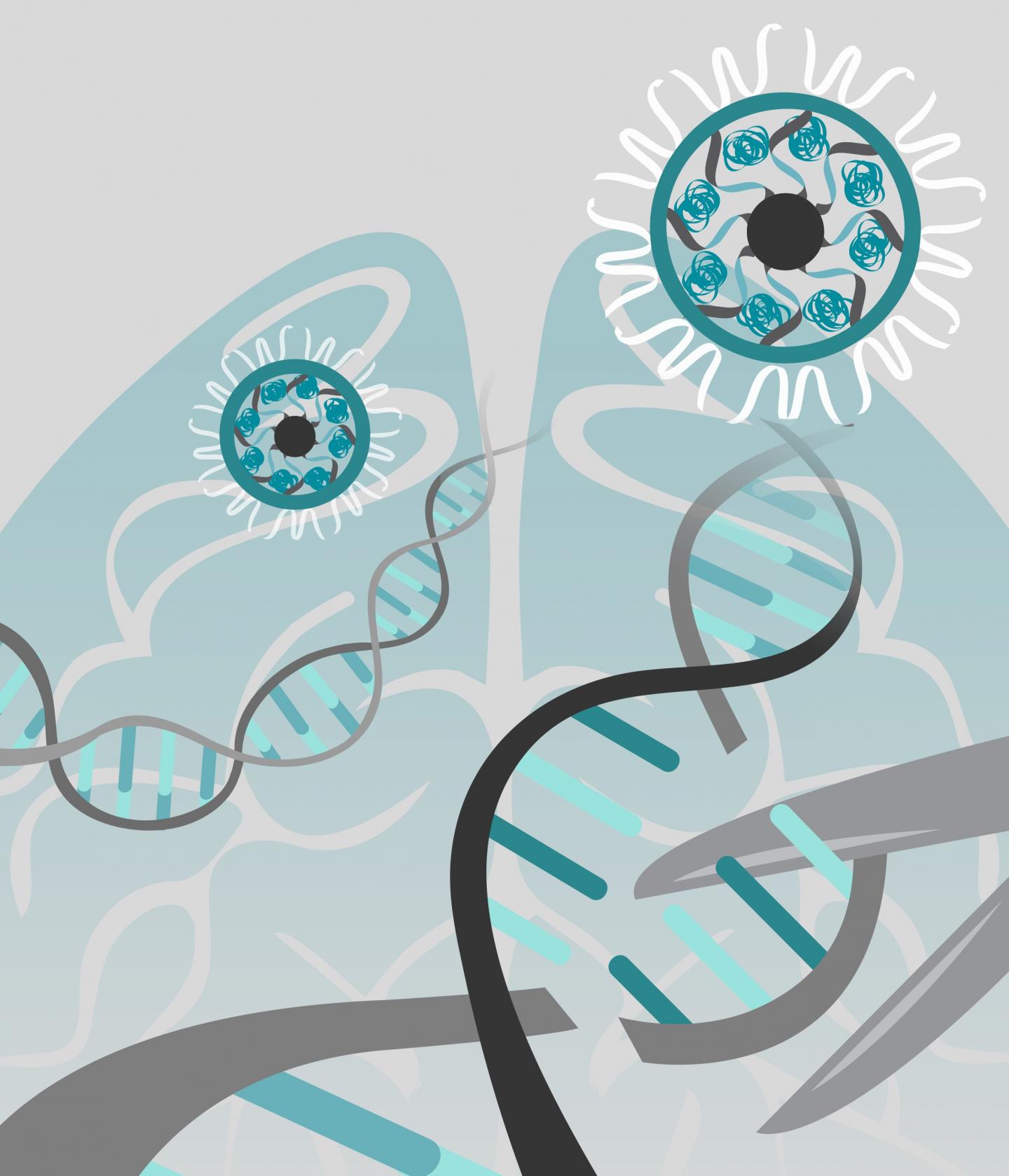
CRISPR-Gold consists of gold nanoparticles covered by DNA chains that hold the Cas9 molecules in place. The delivery package used in the UT Health San Antonio study also contains ribonucleic acid (RNA) guidance to cause the nanoparticles to act like smart missiles homing in on the excitatory mGluR5 molecule.
Paper coauthors
Coauthors from UT Health San Antonio's Joe R. & Teresa Lozano Long School of Medicine also included Robert Brenner, Ph.D., associate professor of cellular and integrative physiology; Vladislav Bugay, Ph.D., postdoctoral fellow in the Brenner laboratory; Shree Panda, research assistant; and Rodrigo Gonzales-Rojas of Health Careers High School in San Antonio's Northside Independent School District.
In addition to the Rising STARs award, Dr. Hye Young Lee is a recipient of grants from the San Antonio Life Sciences Institute of UT Health San Antonio and The University of Texas at San Antonio, the Center for Biomedical Neuroscience at UT Health San Antonio, the Brain & Behavior Research Foundation, the Simons Foundation Autism Research Initiative (SFARI) and the San Antonio Area Foundation.
About UT Health San Antonio
The University of Texas Health Science Center at San Antonio, now called UT Health San Antonio®, is one of the country's leading health sciences universities. With missions of teaching, research, healing and community engagement, its schools of medicine, nursing, dentistry, health professions and graduate biomedical sciences have produced 35,850 alumni who are leading change, advancing their fields and renewing hope for patients and their families throughout South Texas and the world. To learn about the many ways "We make lives better®," visit http://www.uthscsa.edu.
Media Contact
Will Sansom
[email protected]
210-567-2579
@UTHealthSA
http://www.uthscsa.edu/hscnews
Original Source
https://news.uthscsa.edu/gene-editing-curbs-autism-symptoms-in-mice/ http://dx.doi.org/10.1038/s41551-018-0252-8