


• HOME
  • NEWS
  • EXPLORE
    • CAREER
      • Companies
      • Jobs
    • EVENTS
    • iGEM
      • News
      • Team
    • PHOTOS
    • VIDEO
    • WIKI
  • BLOG
  • COMMUNITY
    • FACEBOOK
    • INSTAGRAM
    • TWITTER
Friday, March 27, 2026
BIOENGINEER.ORG
No Result
View All Result
  • Login
  • HOME
  • NEWS
  • EXPLORE
    • CAREER
      • Companies
      • Jobs
        • Lecturer
        • PhD Studentship
        • Postdoc
        • Research Assistant
    • EVENTS
    • iGEM
      • News
      • Team
    • PHOTOS
    • VIDEO
    • WIKI
  • BLOG
  • COMMUNITY
    • FACEBOOK
    • INSTAGRAM
    • TWITTER
  • HOME
  • NEWS
  • EXPLORE
    • CAREER
      • Companies
      • Jobs
        • Lecturer
        • PhD Studentship
        • Postdoc
        • Research Assistant
    • EVENTS
    • iGEM
      • News
      • Team
    • PHOTOS
    • VIDEO
    • WIKI
  • BLOG
  • COMMUNITY
    • FACEBOOK
    • INSTAGRAM
    • TWITTER
No Result
View All Result
Bioengineer.org
No Result
View All Result
Home NEWS Bioengineering

Scientists Discover How HIV Kills Immune Cells

Bioengineer by Bioengineer
September 18, 2013
in Bioengineering, Headlines
Reading Time: 1 min read
1
Share on FacebookShare on TwitterShare on LinkedinShare on RedditShare on Telegram

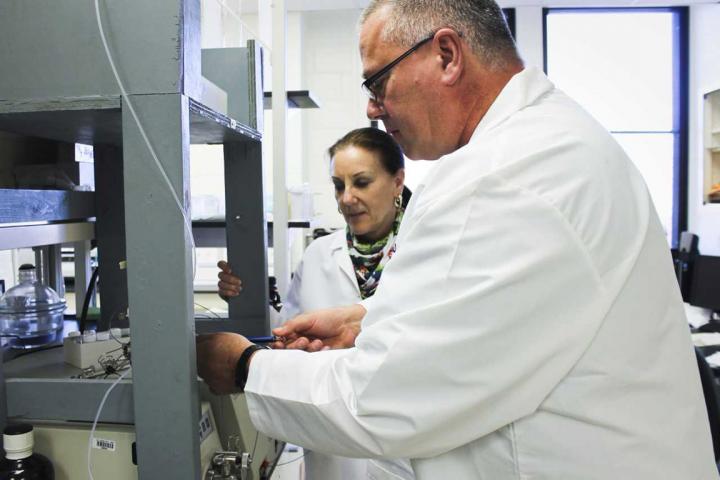
HIV replicates inside infection-fighting human immune cells called CD4+ T cells through complex processes that include inserting its genes into cellular DNA. The scientists discovered that during this integration step, a cellular enzyme called DNA-dependent protein kinase (DNA-PK) becomes activated. DNA-PK normally coordinates the repair of simultaneous breaks in both strands of molecules that comprise DNA. As HIV integrates its genes into cellular DNA, single-stranded breaks occur where viral and cellular DNA meet. Nevertheless, the scientists discovered, the DNA breaks during HIV integration surprisingly activate DNA-PK, which then performs an unusually destructive role: eliciting a signal that causes the CD4+ T cell to die. The cells that succumb to this death signal are the very ones mobilized to fight the infection.

According to the scientists, these new findings suggest that treating HIV-infected individuals with drugs that block early steps of viral replication — up to and including activation of DNA-PK and integration — not only can prevent viral replication, but also may improve CD4+ T cell survival and immune function. The findings also may shed light on how reservoirs of resting HIV-infected cells develop and may aid efforts to eliminate these sites of persistent infection.

Story Source:
The above story is reprinted from materials provided by NIH/National Institute of Allergy and Infectious Diseases.

Share12Tweet8Share2ShareShareShare2

Related Posts

Why is the first Turkish bioengineering promotion website, Biyomuhendislik.com, so important?

February 4, 2023

Chlorinated lipids predict lung injury and death in sepsis patients

January 31, 2018

Major research initiative explores how our bones and muscles age, new ways to block their…

January 31, 2018

Gene that enables memories, sense of direction produces schizophrenia-like symptoms when mutated

January 31, 2018
Please login to join discussion

POPULAR NEWS

  • blank

    Revolutionary AI Model Enhances Precision in Detecting Food Contamination

    96 shares
    Share 38 Tweet 24
  • Imagine a Social Media Feed That Challenges Your Views Instead of Reinforcing Them

    1003 shares
    Share 397 Tweet 248
  • Uncovering Functions of Cavernous Malformation Proteins in Organoids

    54 shares
    Share 22 Tweet 14
  • Promising Outcomes from First Clinical Trials of Gene Regulation in Epilepsy

    51 shares
    Share 20 Tweet 13

About

We bring you the latest biotechnology news from best research centers and universities around the world. Check our website.

Follow us

Recent News

In-Sensor Cryptography Links Physical Process to Digital Identity

Can Psychosocial Factors Influence Cancer Risk?

Depression Factors in Elderly: Pre vs. Post-COVID Analysis

Subscribe to Blog via Email

Success! An email was just sent to confirm your subscription. Please find the email now and click 'Confirm' to start subscribing.

Join 78 other subscribers
  • Contact Us

Bioengineer.org © Copyright 2023 All Rights Reserved.

Welcome Back!

Login to your account below

Forgotten Password?

Retrieve your password

Please enter your username or email address to reset your password.

Log In
No Result
View All Result
  • Homepages
    • Home Page 1
    • Home Page 2
  • News
  • National
  • Business
  • Health
  • Lifestyle
  • Science

Bioengineer.org © Copyright 2023 All Rights Reserved.
