• HOME
  • NEWS
  • EXPLORE
    • CAREER
      • Companies
      • Jobs
    • EVENTS
    • iGEM
      • News
      • Team
    • PHOTOS
    • VIDEO
    • WIKI
  • BLOG
  • COMMUNITY
    • FACEBOOK
    • INSTAGRAM
    • TWITTER
Tuesday, July 28, 2026
BIOENGINEER.ORG
No Result
View All Result
  • Login
  • HOME
  • NEWS
  • EXPLORE
    • CAREER
      • Companies
      • Jobs
        • Lecturer
        • PhD Studentship
        • Postdoc
        • Research Assistant
    • EVENTS
    • iGEM
      • News
      • Team
    • PHOTOS
    • VIDEO
    • WIKI
  • BLOG
  • COMMUNITY
    • FACEBOOK
    • INSTAGRAM
    • TWITTER
  • HOME
  • NEWS
  • EXPLORE
    • CAREER
      • Companies
      • Jobs
        • Lecturer
        • PhD Studentship
        • Postdoc
        • Research Assistant
    • EVENTS
    • iGEM
      • News
      • Team
    • PHOTOS
    • VIDEO
    • WIKI
  • BLOG
  • COMMUNITY
    • FACEBOOK
    • INSTAGRAM
    • TWITTER
No Result
View All Result
Bioengineer.org
No Result
View All Result
Home NEWS Science News Biology

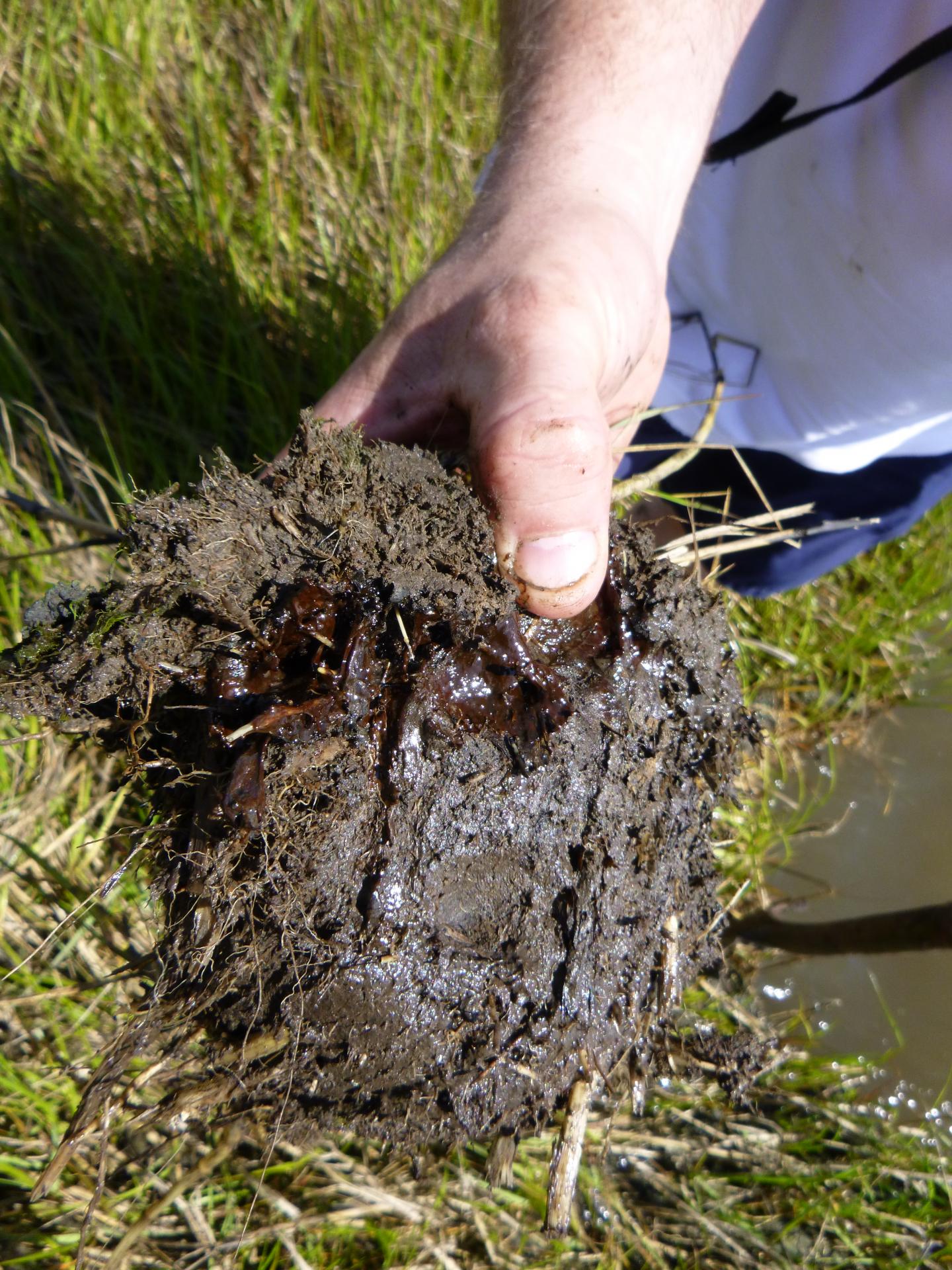
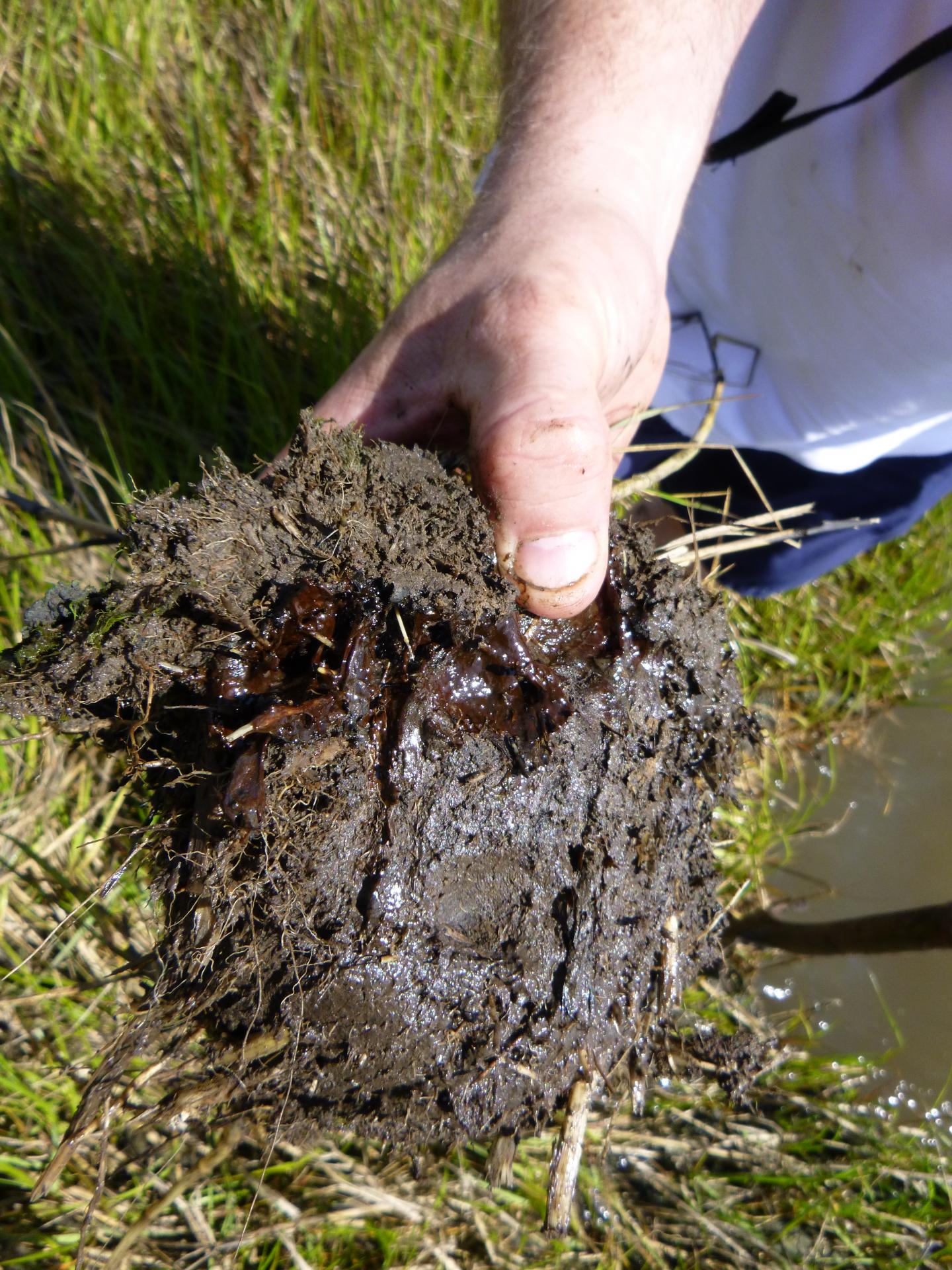
Oil spill impacts in coastal wetland

Bioengineer by Bioengineer
February 13, 2018
in Biology
Reading Time: 1 min read
0
Share on FacebookShare on TwitterShare on LinkedinShare on RedditShare on Telegram
IMAGE

Credit: J. Levine

July 10, 2017 – Although evidence of the 2010 Deepwater Horizon oil spill may not be visually obvious today, crude oil can still be found in Louisiana coastal marshes. Oil not initially degraded has become buried under the yearly pile of dead plant material, which is deposited after each growing season. The oil has potential to cause stress to plants, as it is buried and in close proximity with the roots.

A paper recently published in the Soil Science Society of America Journal investigates how the presence of surface and buried crude oil under flooded and drained conditions affects the redox of wetland soils, an important control of wetland soil functions.

Researchers reported that reduction potential of the wetland soil was not significantly different under flooded conditions, mimicking high tide conditions. However, under drained conditions, similar to low tide, oil slowed the transport of oxygen into the root zone. This delay in oxygen availability caused by oil can increase stress on wetland plants, unable to supply enough oxygen to their root system. This stress can contribute to accelerated loss of marsh area through erosion in a region where marshes are already rapidly disappearing, due to high relative sea level rise.

###

Media Contact

Susan Fisk
[email protected]
608-273-8080
@ASA_CSSA_SSSA

http://www.agronomy.org

Related Journal Article

http://dx.doi.org/10.2136/sssaj2016.12.0398

Share12Tweet8Share2ShareShareShare2

Related Posts

AI Camera System Tracks Bumblebees, Offering Affordable Insect Monitoring

AI Camera System Tracks Bumblebees, Offering Affordable Insect Monitoring

July 28, 2026
TIE1 suppresses fertilization-independent endosperm development by recruiting PRC2

TIE1 suppresses fertilization-independent endosperm development by recruiting PRC2

July 28, 2026

Forces of Push and Pull Shape How Blood Flows Through Vessels

July 28, 2026

How the body’s natural recycling system may reduce inflammation

July 28, 2026
Please login to join discussion

POPULAR NEWS

  • Adaptive policies could boost Zambia nutrition security amid future climate shocks

    29 shares
    Share 12 Tweet 7
  • Study finds higher healthcare costs linked to inappropriate medication use in seniors

    29 shares
    Share 12 Tweet 7
  • Single-Plane Imaging Tracks Dynamic 3D Structures in Living Cells with Focus Feedback

    29 shares
    Share 12 Tweet 7
  • Nanoneedle Arrays Enable Sequencing-Free Spatial Profiling of Fresh Tissue Regulation

    29 shares
    Share 12 Tweet 7

About

We bring you the latest biotechnology news from best research centers and universities around the world. Check our website.

Follow us

Recent News

Adaptive policies could boost Zambia nutrition security amid future climate shocks

Study finds higher healthcare costs linked to inappropriate medication use in seniors

Single-Plane Imaging Tracks Dynamic 3D Structures in Living Cells with Focus Feedback

Subscribe to Blog via Email

Enter your email address to subscribe to this blog and receive notifications of new posts by email.

Join 85 other subscribers
  • Contact Us

Bioengineer.org © Copyright 2023 All Rights Reserved.

Welcome Back!

Login to your account below

Forgotten Password?

Retrieve your password

Please enter your username or email address to reset your password.

Log In
No Result
View All Result
  • Homepages
    • Home Page 1
    • Home Page 2
  • News
  • National
  • Business
  • Health
  • Lifestyle
  • Science

Bioengineer.org © Copyright 2023 All Rights Reserved.