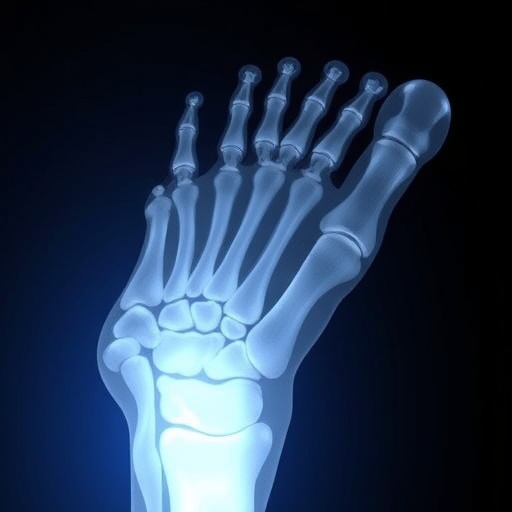
In the realm of pediatric health, the intricate relationship between foot morphology and bone maturation in children is a subject that has received burgeoning interest among researchers. Recent studies are shedding light on how these two critical aspects of growth intersect, which is vital for understanding developmental health. A pivotal study by Xie et al. has engaged with this complex interaction, proposing that recognizing foot morphological development may hold key insights into the overall growth patterns and bone maturation stages of children.
The study operates under the premise that the feet, often taken for granted in their fundamental role, reveal much about underlying physiological processes. The research gathered data from a diverse cohort of children, meticulously analyzing variations in foot shape and size in relation to markers of bone maturity. This cross-sectional study design allows researchers to observe a snapshot of data at one point in time, facilitating correlations to emerge between variables often ignored in traditional growth assessments.
As children grow, their bodies undergo significant transformations that reflect both genetic predispositions and environmental influences. Foot morphology—the study of the shape and structure of feet—serves as an important indicator of these changes. Bones themselves evolve, and as they mature, the advancement in their structure can be tied directly to how development in one area influences another. This connection between the two phenomena is not merely anecdotal; it provides a framework for predicting future skeletal issues that may arise from atypical foot development.
The implications of this research extend beyond mere academic interest. For pediatricians and caregivers, understanding the dynamics of bone maturation linked to foot development can inform interventions and preventative strategies. Many children experience foot-related issues, some of which may signal underlying skeletal disorders. Timely identification and treatment of such conditions can dramatically improve a child’s quality of life, impacting not only physical health but also psychological wellness and social interaction.
Xie et al. employed rigorous methodologies to capture how specific foot characteristics correlate with skeletal maturity. The researchers utilized radiographic imaging techniques to assess bone age—an established method to determine the maturity of bones in relation to chronological age. This approach allowed them to gather concrete data for analysis, presenting a clear picture of the synergistic relationship extending from foot morphology to skeletal maturity.
In a world increasingly prone to health complications related to obesity and sedentary lifestyles, children’s musculoskeletal health deserves close scrutiny. The relationship outlined in Xie’s study sheds light on how early interventions in addressing foot structure can potentially mitigate broader issues related to skeletal development. By focusing on the feet, which are often overlooked in developmental assessments, clinicians can better evaluate risks for musculoskeletal disorders later in life.
The research detailed in the study underscores the need for a paradigm shift in how growth assessments are approached. Traditionally, attention has gravitated towards height and weight as primary indicators of growth in children. However, with evidence emerging that foot development can serve as a precursor to assessing bone health and maturity, practitioners may have to broaden their scope. Integrating assessments of foot morphology into regular health check-ups may not only enhance early detection of potential issues but also foster an environment where children’s whole-body growth is prioritized.
Moreover, parents and caregivers can benefit from awareness regarding foot health within the broader tapestry of development. This research empowers them to advocate for their children’s musculoskeletal health effectively. Education about the importance of proper footwear and foot care in conjunction with regular pediatric assessments can help cultivate habits that support healthy growth trajectories.
Xie et al. provide a compelling case for interdisciplinary collaboration in pediatric health. By connecting the fields of podiatry, orthopedics, and pediatrics, a more comprehensive understanding of child development can be achieved. The findings outlined in the study call not only for enhanced clinical practices but also for further research into the long-term consequences of foot morphology on overall health outcomes.
The fascination surrounding foot morphology also opens the door to exploring additional factors affecting bone maturation. Environmental influences, hormonal changes, and nutritional status also play critical roles in how children grow. Unpacking these variables in relation to foot development provides a more intricate narrative of child development, underscoring the complexity of biological systems at play.
In conclusion, the association between foot morphological development and bone maturation in children is not just a matter of academic inquiry; it represents an urgent call to action within the healthcare community. Xie et al.’s study contributes significantly to this dialogue, advocating for a comprehensive approach to pediatric health that encompasses all aspects of growth. The integration of foot morphology assessments into pediatric practice can lead to significant strides in the early identification and treatment of musculoskeletal disorders.
As research in this domain continues to evolve, the potential to transform pediatric health practices into proactive strategies becomes more tangible. By addressing the roots of musculoskeletal issues early, parents, caregivers, and healthcare professionals can forge pathways that promote optimal health for future generations.
Subject of Research: The relationship between foot morphological development and bone maturation in children.
Article Title: The association between foot morphological development and bone maturation in children: a cross-sectional study.
Article References:
Xie, SY., Li, X., Feng, ZY. et al. The association between foot morphological development and bone maturation in children: a cross-sectional study.
BMC Pediatr 25, 757 (2025). https://doi.org/10.1186/s12887-025-06167-6
Image Credits: AI Generated
DOI:
Keywords: Pediatric health, foot morphology, bone maturation, musculoskeletal development, child growth.
Tags: bone development in childrenchildren’s developmental healthcross-sectional study of foot growthenvironmental influences on growthfoot morphology and growth patternsgenetic factors affecting bone maturationinsights into pediatric growth assessmentspediatric foot healthpediatric health researchphysiological processes in child developmentrelationship between foot size and bone maturitysignificance of foot shape in children