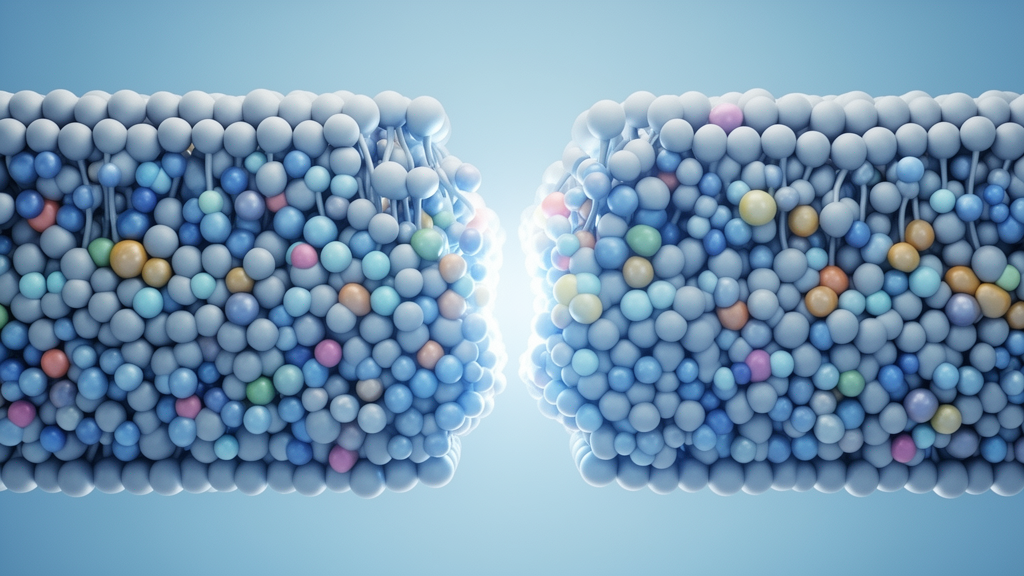
Lipids are increasingly recognized as direct contributors to the regulation of synaptic plasticity across the central nervous system, extending well beyond their conventional structural roles in neural membranes. According to a scientific review published in Lipids in Health and Disease, existing evidence demonstrates that lipid processes operate across multiple physiological scales, coordinating membrane biophysics with complex intercellular communication between glial cells and neurons.
The review integrates current evidence into three complementary and interrelated modules to explain these multiscale regulatory functions. The first module focuses on membrane lipid remodeling and activity-dependent signaling within neural cells. At this level, membrane lipids directly shape receptor organization, synaptic vesicle cycling, and downstream lipid-derived signaling pathways, establishing the biophysical foundation necessary for synaptic transmission and adaptive plastic changes.
The second module identified in the synthesis centers on lipid-droplet mobilization and metabolic buffering. According to the review, lipid mobilization and redox buffering mechanisms may contribute to sustaining continuous synaptic activity when neural circuits face energetic and oxidative stress, providing an essential metabolic buffer that helps maintain synaptic integrity under challenging physiological conditions.
The third module addresses glia-neuron lipid exchange and intercellular homeostasis across neural networks. Within this framework, distinct glial cell populations—specifically astrocytes, microglia, and oligodendrocytes—actively contribute to the regulation of lipid supply, cellular clearance, synaptic pruning, and myelin remodeling. These coordinated intercellular interactions provide vital biological links connecting localized synaptic processes directly to broader circuit homeostasis.
Together, these diverse lipid-mediated mechanisms have been implicated in synapse formation, synaptic maturation, activity-dependent refinement, and overall neural circuit plasticity. Nevertheless, the review emphasizes that the strength of supporting evidence varies substantially across different pathways and experimental contexts, indicating that current findings reflect diverse regulatory mechanisms rather than an entirely uniform phenomenon across the brain.
The breakdown of these coordinated lipid processes has been associated with altered membrane organization, oxidative injury, defective lipid handling, and synaptic dysfunction across a range of neurological and psychiatric disorders. Crucially, the authors note that the underlying lipid abnormalities are disease- and context-dependent, rather than representing manifestations of a single, shared pathological mechanism across different clinical conditions.
Despite these conceptual advances, major scientific gaps remain in resolving fine-scale lipid dynamics at individual synapses, establishing rigorous causal links between intercellular lipid fluxes and synaptic function, and defining cell- and compartment-specific effects.
The review concludes that integrating spatial and temporal lipidomics with cell-type-specific perturbation and detailed functional analyses represents a critical path forward for the field. Such experimental approaches may help researchers successfully distinguish adaptive lipid remodeling from pathogenic alterations, thereby providing a more rigorous framework to inform the future evaluation of potential therapeutic targets in neurological disease.
Subject of Research: Lipid-mediated regulation of synaptic plasticity in the central nervous system
Article Title: Multiscale lipid-mediated regulation of synaptic plasticity in the CNS: from membrane biophysics to glia–neuron lipid crosstalk
Article References: Liu, Z., Luo, A.-D., Deng, Y.-J., Shen, Y., Tang, J.-X., Xu, P., Xu, Z.-C., & Huang, H. (2026). Multiscale lipid-mediated regulation of synaptic plasticity in the CNS: from membrane biophysics to glia–neuron lipid crosstalk. Lipids in Health and Disease. https://doi.org/10.1186/s12944-026-03129-4
Image Credits: AI Generated
DOI: 10.1186/s12944-026-03129-4
Keywords: synaptic plasticity, central nervous system, membrane biophysics, glia-neuron crosstalk, membrane lipid remodeling, activity-dependent signaling, lipid droplets, metabolic buffering, intercellular homeostasis, receptor organization, vesicle cycling, redox buffering, astrocytes, microglia, oligodendrocytes, synaptic pruning, myelin remodeling, spatial lipidomics
News Source: Ophelia Keating. (November 26, 2026). Lipids Regulate Synaptic Plasticity Across the Central Nervous System, Review Finds. Scienmag.