A recombinant bacterial biocatalyst encapsulated within an electrostatically assembled polymer shell produced the pharmaceutical statin precursor ethyl (S)-4-chloro-3-hydroxybutanoate with an 85 percent yield and greater than 99 percent enantiomeric excess. Developed to improve chiral alcohol synthesis, the whole-cell platform integrates targeted metabolic engineering with interfacial polyelectrolyte complexation, directly addressing persistent limitations in operational stability and intracellular cofactor regeneration that typically restrict industrial bacterial catalysis.
Whole-cell biocatalysis systems used for chiral synthesis regularly confront two primary operational bottlenecks: insufficient intracellular cofactor supply and poor biocatalyst operational stability. To resolve the intracellular supply limitation, the investigation utilized a recombinant Escherichia coli strain, designated BL21(DE3)/pETDuet-1-gapB-bcCR and pET-28a-yfjB, which was metabolically engineered with genetically enhanced NADPH regeneration pathways specifically designed for autonomous cofactor replenishment during ketone reduction.
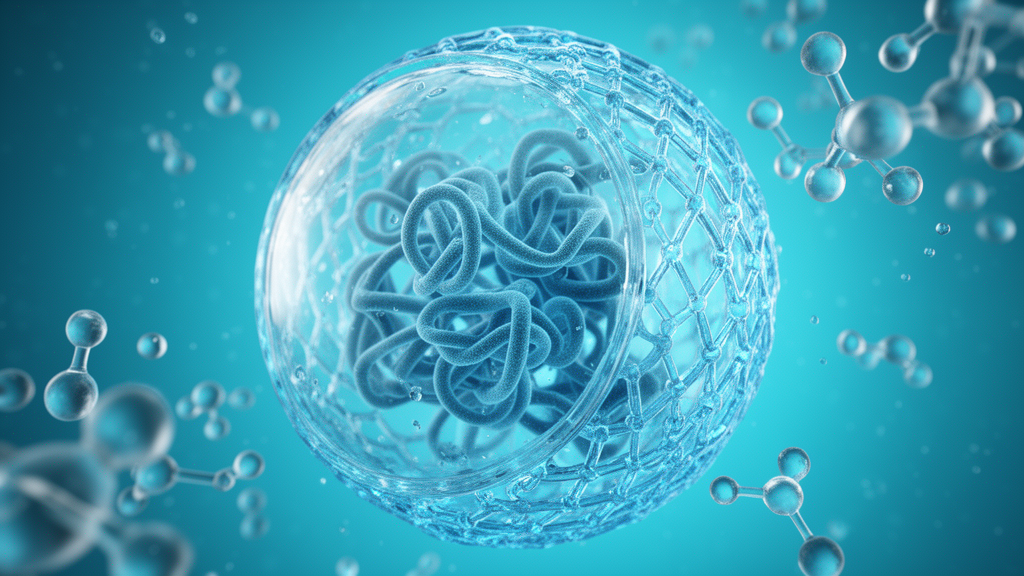
To overcome operational degradation and provide physical protection, the metabolically engineered cells were encapsulated inside a calcium alginate hydrogel matrix reinforced with polyethyleneimine. The researchers constructed the hybrid matrix through interfacial polyelectrolyte complexation, creating a distinct protective shell at the cell-hydrogel interface. The electrostatically assembled polyethyleneimine shell was engineered to decouple physical and mechanical reinforcement from polymer cytotoxicity, ensuring the protective layer did not compromise the physiological integrity of the enclosed bacteria.
The assembly parameters were systematically refined through sequential statistical optimization to establish an optimal chemical crosslinking regime for biocatalyst preparation. The resulting protocol required initial hydrogel bead hardening in 1.2 percent calcium chloride for 10 hours, which was followed immediately by surface treatment with 3.8 percent polyethyleneimine for 34 minutes.
The electrostatically assembled outer layer provided both mechanical reinforcement and localized chemical buffering. During ketone reduction, the polyethyleneimine shell is proposed to buffer acidic microenvironments around the trapped cells through a mechanism consistent with a proton sponge effect. This interfacial engineering substantially enhanced cellular robustness, allowing the encapsulated bacteria to retain 46 percent cell viability after 14 days of storage at 4 degrees Celsius, compared to only 18.7 percent viability observed for free, unprotected cells.
Under optimized reaction conditions of 30 degrees Celsius, pH 7.0, and 25 millimolar COBE over an eight-hour reaction period, the immobilized cell factory achieved the 85 percent product yield while maintaining high stereochemical selectivity. Furthermore, the interfacial encapsulation regime allowed the whole-cell biocatalyst to retain more than 20 percent of its initial catalytic activity across six consecutive batch reaction cycles, demonstrating a rational framework for integrating material-based encapsulation with metabolically engineered biocatalytic strains.
Subject of Research: Whole-cell biocatalysis engineering using interfacial polyelectrolyte complexation and metabolic cofactor regeneration
Article Title: Engineering a protective microenvironment for NADPH-autonomous E. coli whole-cell biocatalyst via polyethyleneimine–alginate interfacial complexation
Article References: Zheng, K.-X., Zhang, H., Zhong, J.-J., & Yang, Z.-H. (2026). Engineering a protective microenvironment for NADPH-autonomous E. coli whole-cell biocatalyst via polyethyleneimine–alginate interfacial complexation. Microbial Cell Factories. https://doi.org/10.1186/s12934-026-03187-4
Image Credits: AI Generated
DOI: 10.1186/s12934-026-03187-4
Keywords: whole-cell biocatalysis, Escherichia coli, interfacial complexation, polyethyleneimine, calcium alginate, NADPH regeneration, ethyl (S)-4-chloro-3-hydroxybutanoate, statin precursor, chiral synthesis, proton sponge mechanism, hydrogel encapsulation, metabolic engineering, enantiomeric excess, operational stability, biocatalyst recycling, COBE reduction
News Source: Neil Sanderson. (November 25, 2026). Engineered Polymer Shell Shields Biocatalysts Producing Statin Precursors in High Yield. Scienmag.