• HOME
  • NEWS
  • EXPLORE
    • CAREER
      • Companies
      • Jobs
    • EVENTS
    • iGEM
      • News
      • Team
    • PHOTOS
    • VIDEO
    • WIKI
  • BLOG
  • COMMUNITY
    • FACEBOOK
    • INSTAGRAM
    • TWITTER
Friday, November 20, 2026
BIOENGINEER.ORG
No Result
View All Result
  • Login
  • HOME
  • NEWS
  • EXPLORE
    • CAREER
      • Companies
      • Jobs
        • Lecturer
        • PhD Studentship
        • Postdoc
        • Research Assistant
    • EVENTS
    • iGEM
      • News
      • Team
    • PHOTOS
    • VIDEO
    • WIKI
  • BLOG
  • COMMUNITY
    • FACEBOOK
    • INSTAGRAM
    • TWITTER
No Result
View All Result
Bioengineer.org
No Result
View All Result
Home NEWS Science News Health

Study Maps Photon Interaction Parameters and Electron Density for PET Radiotracer FDG

by
November 20, 2026
in Health, Technology
Reading Time: 2 mins read
0
Study Maps Photon Interaction Parameters and Electron Density for PET Radiotracer FDG

Study Maps Photon Interaction Parameters and Electron Density for PET Radiotracer FDG

Share on FacebookShare on TwitterShare on LinkedinShare on RedditShare on Telegram

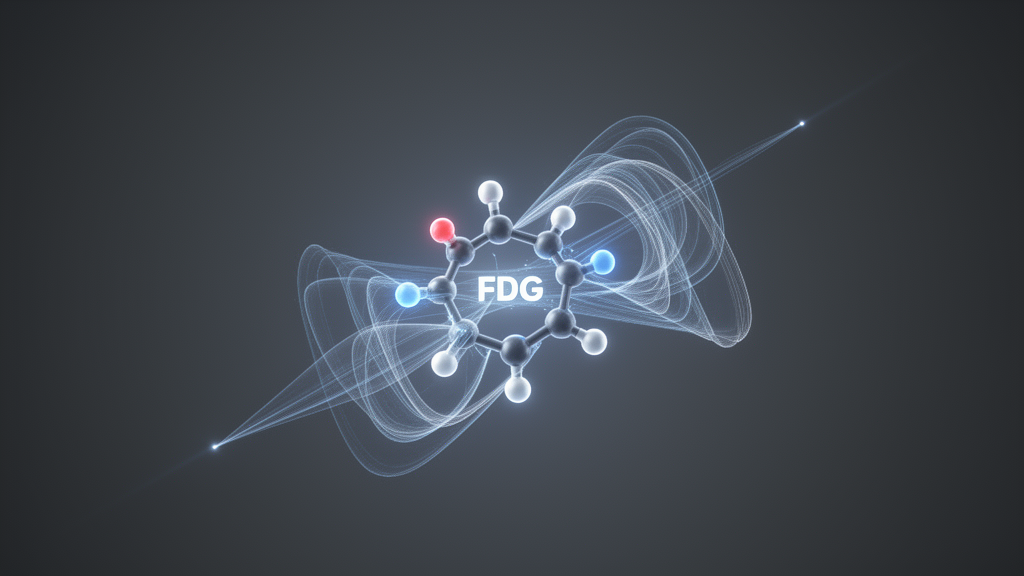
Researchers have systematically calculated the fundamental photon interaction parameters of fluorodeoxyglucose F-18 across an extensive energy range, establishing baseline physical data for the medical tracer. Fluorodeoxyglucose F-18, commonly designated as FDG, serves as the most widely utilized positron-emitting radiotracer in clinical positron emission tomography. Medical practitioners rely on the radiopharmaceutical primarily for detecting and monitoring tumor metabolism as well as various inflammatory processes in patients.

Despite widespread clinical adoption, the fundamental photon interaction properties of the tracer compound have remained relatively underexplored in literature.

To characterize these interaction behaviors, the study determined the effective atomic numbers, denoted as Zeff, alongside the effective electron density, denoted as Nel, for the FDG molecule, which has the chemical formula C6H11FO5. The determinations were conducted over a wide photon energy spectrum ranging from 1 keV to 100 GeV. The investigators derived these fundamental values using mass attenuation coefficients obtained through Penelope Monte Carlo simulations together with the WinXCOM program.

The analysis further examined the energy-dependent variation of the effective atomic number by evaluating distinct photon interaction mechanisms independently. Specifically, the researchers assessed variations occurring under photoelectric absorption, Compton scattering, and pair production processes across the energy spectrum. By isolating these three individual interaction regimes, the resulting evaluation provides a physics-based perspective on how photons interact with the fluorodeoxyglucose compound at different energy thresholds.

The resulting graphical and tabulated findings establish a systematic dataset detailing the photon interaction parameters of FDG. According to the author, these compiled parameters offer a structured resource for future theoretical calculations and computational simulation studies. Ultimately, the comprehensive dataset provides reference physical parameters that may assist ongoing efforts in PET and CT imaging optimization as well as radiation dosimetry calculations.

Subject of Research: Photon interaction parameters and effective atomic numbers of FDG in PET imaging

Article Title: Radiation interaction parameters of 18F-FDG: effective atomic number and electron density for PET applications

Article References: Çakir, T. (2026). Radiation interaction parameters of 18F-FDG: effective atomic number and electron density for PET applications. EJNMMI Physics. https://doi.org/10.1186/s40658-026-00964-3

Image Credits: AI Generated

DOI: 10.1186/s40658-026-00964-3

Keywords: 18F-FDG, fluorodeoxyglucose, positron emission tomography, PET/CT, effective atomic number, electron density, mass attenuation coefficient, Penelope Monte Carlo, WinXCOM, photoelectric absorption, Compton scattering, pair production, radiation dosimetry, photon interaction, tumor metabolism, radiotracer, radiation physics

News Source: Denise Maddox. (November 20, 2026). Study Maps Photon Interaction Parameters and Electron Density for PET Radiotracer FDG. Scienmag.


Tags: 18F-FDGCompton scatteringeffective atomic numberelectron densityfluorodeoxyglucosemass attenuation coefficientpair productionPenelope Monte CarloPET/CTphotoelectric absorptionphoton interactionpositron emission tomographyradiation dosimetryradiation physicsradiotracertumor metabolismWinXCOM
Share12Tweet7Share2ShareShareShare1

Related Posts

Subcutaneous IgPro20 Linked to Reduced Acute Care in US CIDP Patients

Subcutaneous IgPro20 Linked to Reduced Acute Care in US CIDP Patients

November 20, 2026
Researchers Propose Neuro-EDS Framework for Neurological Subgroups in Hypermobile Disorders

Researchers Propose Neuro-EDS Framework for Neurological Subgroups in Hypermobile Disorders

November 20, 2026

Systematic Review Traces Drone Evolution from Military Reconnaissance to Biomimetic Wings

November 20, 2026

Minimally Invasive Surgery Shows Lower Short-Term Morbidity in Advanced Colon Cancer

November 20, 2026

POPULAR NEWS

  • Review Evaluates Integrins as Potential Mediators and Targets in Metabolic Disorders

    Review Evaluates Integrins as Potential Mediators and Targets in Metabolic Disorders

    29 shares
    Share 12 Tweet 7
  • Tutorial Review Synthesizes Evolution and Applications of Remote Sensing Multimodal Models

    29 shares
    Share 12 Tweet 7
  • Blood MicroRNA Level Predicts Late Cytomegalovirus Infection in High-Risk Kidney Recipients

    29 shares
    Share 12 Tweet 7
  • Insurance Deductions Impact Up to Half of Hospital Records in Iranian Study

    29 shares
    Share 12 Tweet 7

About

We bring you the latest biotechnology news from best research centers and universities around the world. Check our website.

Follow us

Recent News

Subcutaneous IgPro20 Linked to Reduced Acute Care in US CIDP Patients

Researchers Propose Neuro-EDS Framework for Neurological Subgroups in Hypermobile Disorders

Systematic Review Traces Drone Evolution from Military Reconnaissance to Biomimetic Wings

Subscribe to Blog via Email

Enter your email address to subscribe to this blog and receive notifications of new posts by email.

Join 89 other subscribers
  • Contact Us

Bioengineer.org © Copyright 2023 All Rights Reserved.

Welcome Back!

Login to your account below

Forgotten Password?

Retrieve your password

Please enter your username or email address to reset your password.

Log In
No Result
View All Result
  • Homepages
    • Home Page 1
    • Home Page 2
  • News
  • National
  • Business
  • Health
  • Lifestyle
  • Science

Bioengineer.org © Copyright 2023 All Rights Reserved.