• HOME
  • NEWS
  • EXPLORE
    • CAREER
      • Companies
      • Jobs
    • EVENTS
    • iGEM
      • News
      • Team
    • PHOTOS
    • VIDEO
    • WIKI
  • BLOG
  • COMMUNITY
    • FACEBOOK
    • INSTAGRAM
    • TWITTER
Thursday, November 19, 2026
BIOENGINEER.ORG
No Result
View All Result
  • Login
  • HOME
  • NEWS
  • EXPLORE
    • CAREER
      • Companies
      • Jobs
        • Lecturer
        • PhD Studentship
        • Postdoc
        • Research Assistant
    • EVENTS
    • iGEM
      • News
      • Team
    • PHOTOS
    • VIDEO
    • WIKI
  • BLOG
  • COMMUNITY
    • FACEBOOK
    • INSTAGRAM
    • TWITTER
No Result
View All Result
Bioengineer.org
No Result
View All Result
Home NEWS Science News Health

Study Prioritizes HEBP1 as Candidate Mechanistic Target for Ischemic Stroke

by
November 19, 2026
in Health
Reading Time: 2 mins read
0
Study Prioritizes HEBP1 as Candidate Mechanistic Target for Ischemic Stroke

Study Prioritizes HEBP1 as Candidate Mechanistic Target for Ischemic Stroke

Share on FacebookShare on TwitterShare on LinkedinShare on RedditShare on Telegram

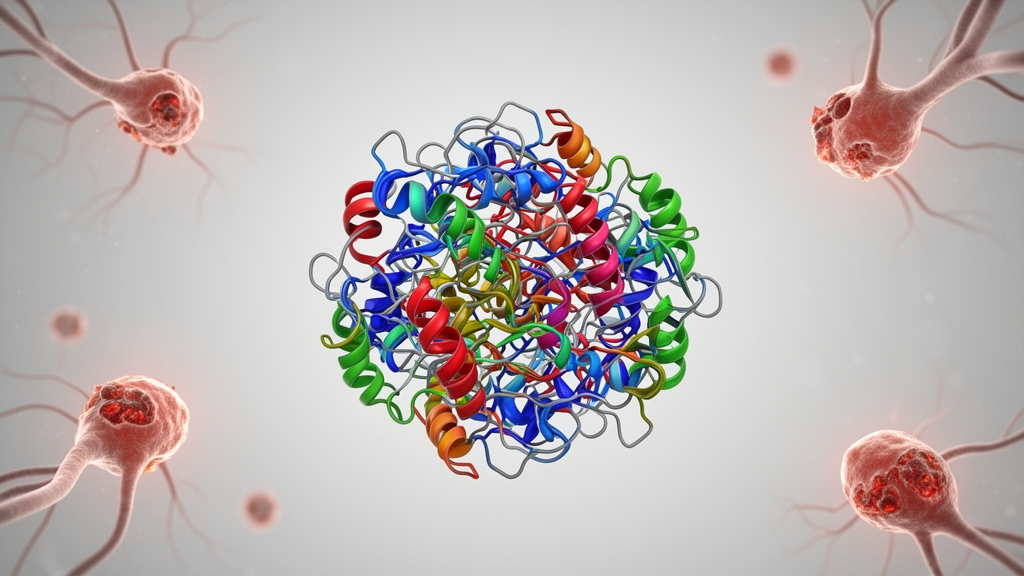
An integrative multi-omics investigation combined with single-cell sequencing and animal models has prioritized heme-binding protein 1, known as HEBP1, as a candidate risk-associated factor and mechanistic mediator for ischemic stroke. Stroke continues to present a major global health challenge, ranking as the second-leading cause of death and the third-leading contributor to disability worldwide.

To systematically investigate stroke-associated genes and potential therapeutic targets, researchers applied an integrative analytical framework. The workflow brought together diverse biological layers, analyzing DNA methylation, gene expression levels, and protein abundance datasets to map molecular traits linked to ischemic stroke vulnerability.

The investigative team implemented summary-data-based Mendelian randomization with heterogeneity in dependent instruments, or HEIDI, testing. This specialized approach enabled the identification of molecular traits that share a causal genetic variant with ischemic stroke.

To complement the primary evaluation, investigators performed two-sample Mendelian randomization using the inverse-variance weighted method alongside colocalization analysis.

Laboratory validation supported the computational predictions through animal experiments involving middle cerebral artery occlusion rat models.

Single-cell sequencing analyses further localized relatively high levels of HEBP1 expression to oligodendrocytes. The researchers observed that expression levels of HEBP1 varied along the inferred differentiation trajectory of these neural cells.

Subsequent immune-metabolic analyses highlighted potential roles for HEBP1 in pathways related to rejection, complement activation, and cholesterol homeostasis. Separately, a search of the Comparative Toxicogenomics Database identified 17 chemicals with curated associations to the HEBP1 protein.

Exploratory molecular docking simulations yielded a predicted binding score of minus 5.55 kilocalories per mole for phenobarbital. Because this modest in silico score and the database annotations do not establish direct biological binding or functional inhibition, the authors classified the chemical findings as hypothesis-generating.

The study concluded that while convergent genomic, cellular, and animal evidence prioritizes HEBP1 as a candidate mediator, therapeutic application remains premature. Cell-specific perturbations, brain-relevant molecular validations, and direct target-engagement studies are necessary to establish causal direction, evaluate safety, and assess therapeutic tractability.

Subject of Research: Prioritization of HEBP1 as a mechanistic target for ischemic stroke

Article Title: Multi-omics Mendelian randomization integrated with single-cell sequencing prioritizes HEBP1 as a candidate mechanistic target for ischemic stroke

Article References: Wang, X., Zhang, X., Zhang, Q., Qiu, Y., He, J., & Liu, R. (2026). Multi-omics Mendelian randomization integrated with single-cell sequencing prioritizes HEBP1 as a candidate mechanistic target for ischemic stroke. BMC Medical Genomics. https://doi.org/10.1186/s12920-026-02504-5

Image Credits: AI Generated

DOI: 10.1186/s12920-026-02504-5

Keywords: HEBP1, ischemic stroke, multi-omics, Mendelian randomization, single-cell sequencing, SMR, HEIDI test, colocalization analysis, MCAO rat model, Western blot, qPCR, oligodendrocytes, differentiation trajectory, complement activation, cholesterol homeostasis, phenobarbital, molecular docking

News Source: Cassandra Pierce. (November 19, 2026). Study Prioritizes HEBP1 as Candidate Mechanistic Target for Ischemic Stroke. Scienmag.


Tags: cholesterol homeostasiscolocalization analysiscomplement activationdifferentiation trajectoryHEBP1HEIDI testischemic strokeMCAO rat modelMendelian randomizationmolecular dockingmulti-omicsoligodendrocytesphenobarbitalqPCRsingle-cell sequencingSMRwestern blot
Share12Tweet7Share2ShareShareShare1

Related Posts

Extended One Health Framework Addresses Nutrition and Food Security Under Climate Change

Extended One Health Framework Addresses Nutrition and Food Security Under Climate Change

November 19, 2026
SLAMF7 Protein Drives Aortic Valve Calcification by Stabilizing BMP-2 Signaling

SLAMF7 Protein Drives Aortic Valve Calcification by Stabilizing BMP-2 Signaling

November 19, 2026

Mental Health Peer Support Workers Face Persistent Workplace Stigma in National Health Service

November 19, 2026

Parent KINDL-R Reports Validated in France While Child Self-Reports Fall Short

November 19, 2026

POPULAR NEWS

  • Anlotinib Combined with Cranial Radiotherapy Shows Promise for Lung Cancer Brain Metastases

    Anlotinib Combined with Cranial Radiotherapy Shows Promise for Lung Cancer Brain Metastases

    29 shares
    Share 12 Tweet 7
  • Curcumin Reduces Liver Steatosis in Rats by Altering Gut Microbiota and Epigenetics

    29 shares
    Share 12 Tweet 7
  • Air Sampling in Bat Caves Captures Mammalian Viruses Across Optimized Volumes

    29 shares
    Share 12 Tweet 7
  • Rimegepant Provides Meaningful Relief as Second- or Third-Line Acute Migraine Therapy

    29 shares
    Share 12 Tweet 7

About

We bring you the latest biotechnology news from best research centers and universities around the world. Check our website.

Follow us

Recent News

High-Intensity Interval Exercise Delays Body Cooling During Temperate Water Immersion

Camera Trap Distance Sampling Reveals High Red Brocket Deer Density in Bolivia

Extended One Health Framework Addresses Nutrition and Food Security Under Climate Change

Subscribe to Blog via Email

Enter your email address to subscribe to this blog and receive notifications of new posts by email.

Join 89 other subscribers
  • Contact Us

Bioengineer.org © Copyright 2023 All Rights Reserved.

Welcome Back!

Login to your account below

Forgotten Password?

Retrieve your password

Please enter your username or email address to reset your password.

Log In
No Result
View All Result
  • Homepages
    • Home Page 1
    • Home Page 2
  • News
  • National
  • Business
  • Health
  • Lifestyle
  • Science

Bioengineer.org © Copyright 2023 All Rights Reserved.