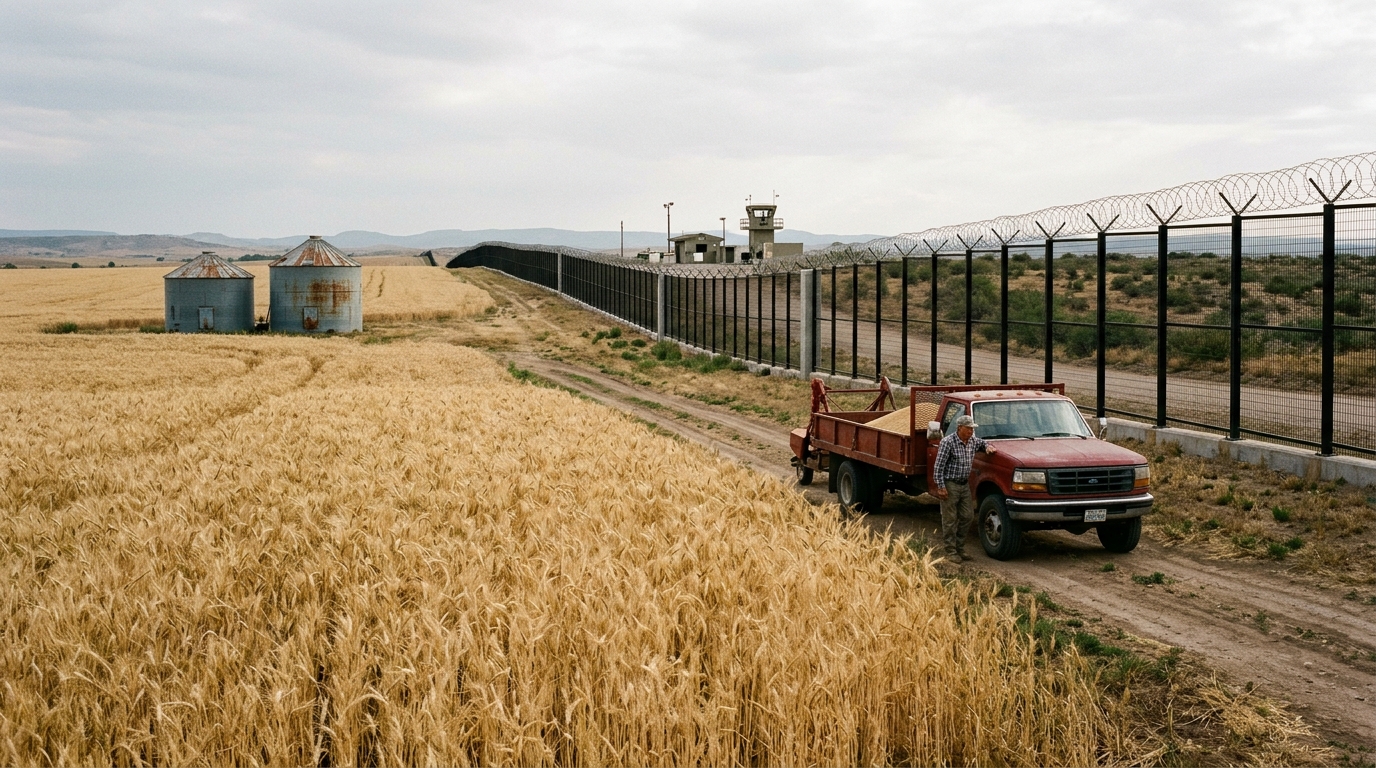
The global pursuit of food security, fundamentally defined as the universal eradication of hunger and malnutrition, is currently experiencing significant strain due to a shifting geopolitical landscape. While this mission has historically been guided by a broad political consensus and a unified problem-framing approach, recent trends indicate that this common foundation is under substantial pressure. Advocates for food security are increasingly forced to navigate complex challenges that extend beyond technical issues, directly confronting competing approaches to the concept of security.
Analysis reveals a marked shift towards paradigms that are increasingly zero-sum and state-centric, which contrast sharply with the more traditional, positive-sum, human-centred frameworks. This transition complicates the work of food security proponents, as it introduces profound analytical and normative hurdles. Addressing the challenge of insecurity now requires a deeper engagement with the non-technical, political nature of defining and addressing insecurity.
Interstate tensions and conflict provide direct threats to food security, in addition to the challenges posed by competing approaches to security.
Subject of Research: Geopolitical impact on food security concepts
Article Title: Competing concepts of food security in a fragmented geopolitical landscape
Article References: Zhou, J. (2026). Competing concepts of food security in a fragmented geopolitical landscape. Nature Food, 7(11), 1064-1068. https://doi.org/10.1038/s43016-026-01456-4
Image Credits: AI Generated
DOI: 10.1038/s43016-026-01456-4
Keywords: food security, geopolitics, hunger eradication, malnutrition, international relations, security studies, global governance, political science, human security, state-centric security, zero-sum competition, conflict analysis, global policy, normative challenges, food systems
News Source: Alan Morgan. (November 18, 2026). Competing Security Concepts Complicate Global Efforts to Eliminate Hunger. Scienmag.