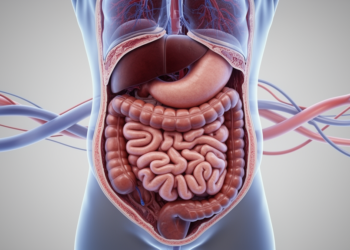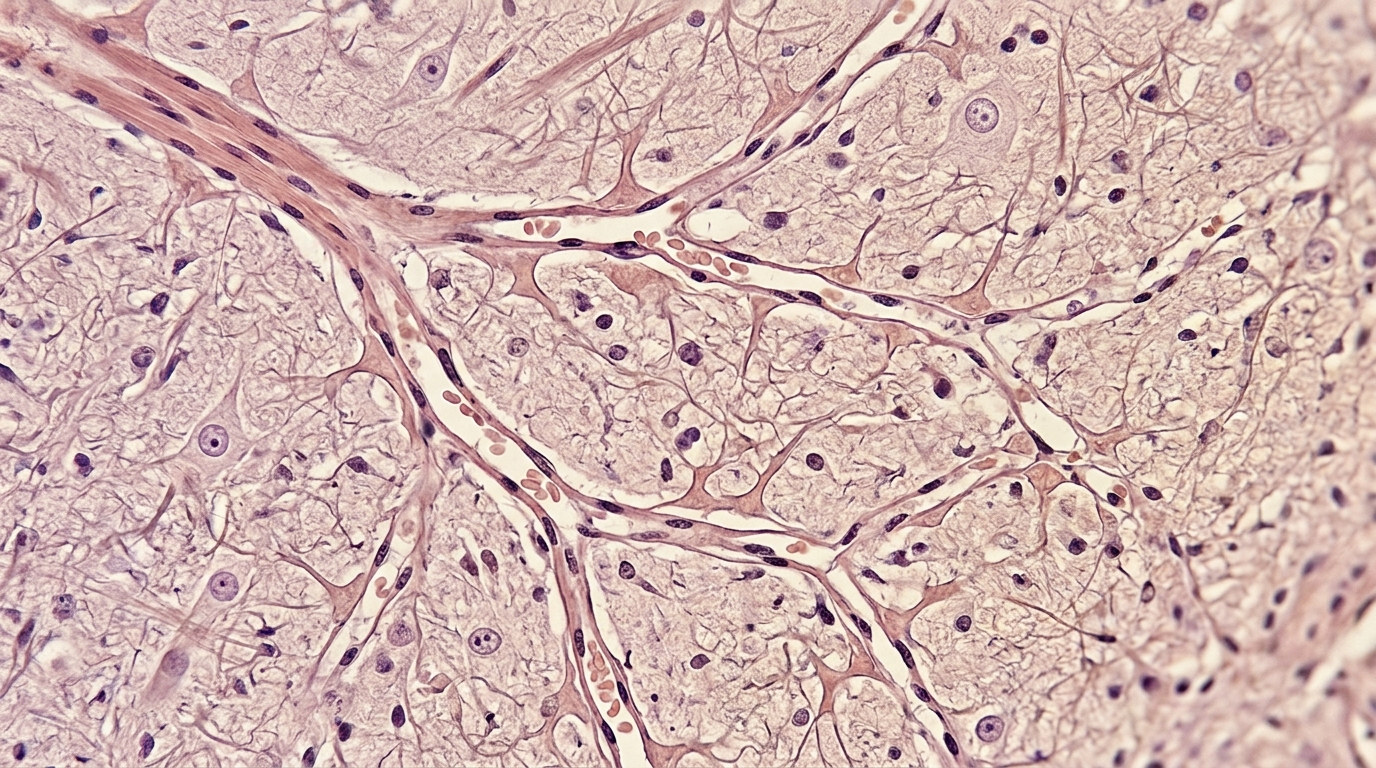
A scientific review published in Molecular Neurodegeneration examines the evolving understanding of high-density lipoproteins and brain-specific HDL-like particles, emphasizing an important paradigm shift from simply measuring circulating HDL levels to evaluating HDL function in Alzheimer’s disease.
High-density lipoproteins belong to a specialized class of lipid-protein complexes that are assembled within extracellular spaces and circulate as soluble nanoparticles through biological fluids. Throughout the body, these nanoparticles serve as critical transport vehicles, ferrying lipids and their associated molecules to and from cells across various physiological compartments. Although HDL represents the very first lipoprotein group ever discovered by scientists, it paradoxically remains the least understood member among all circulating lipoproteins.
However, research interest in HDL-like particles located within the brain expanded substantially following the identification of apolipoprotein E4 as the greatest known genetic risk factor for late-onset sporadic Alzheimer’s disease. Because APOE4 functions as an HDL-associated apolipoprotein, this genetic discovery provided a direct molecular bridge linking HDL biology to neurodegenerative mechanisms as well as cardiovascular health.
The authors’ review details how HDL and HDL-like particles actively influence several core classical hallmarks of Alzheimer’s disease pathophysiology. The synthesis evaluates growing experimental evidence connecting these lipoprotein particles to the accumulation and regulation of amyloid and tau pathology within the central nervous system.
Beyond protein aggregation and cellular inflammation, the review underscores the critical roles of HDL-like particles in maintaining cerebrovascular integrity, regulating local lipid metabolism, and preserving synaptic function.
Subject of Research: Roles of high-density lipoproteins in Alzheimer's disease pathophysiology and therapy
Article Title: HDL and Alzheimer’s disease: recent advances and therapeutic implications
Article References: Chang, A., Fredriksen, K., Joshi, S. S., Thieschafer, J., Kim, M., Bajgain, K., Roberts, A., & Li, L. (2026). HDL and Alzheimer’s disease: recent advances and therapeutic implications. Molecular Neurodegeneration. https://doi.org/10.1186/s13024-026-01004-5
Image Credits: AI Generated
DOI: 10.1186/s13024-026-01004-5
Keywords: high-density lipoproteins, Alzheimer's disease, HDL function, HDL-like particles, apolipoprotein E4, APOE4, amyloid pathology, tau pathology, neuroinflammation, mitochondrial function, cerebrovascular integrity, lipid metabolism, synaptic function, HDL-targeted interventions, neurodegeneration, cardiovascular disease, soluble nanoparticles, Molecular Neurodegeneration
News Source: Cassandra Pierce. (November 17, 2026). Brain HDL Function Emerges as Key Factor in Alzheimer’s Disease Pathology. Scienmag.