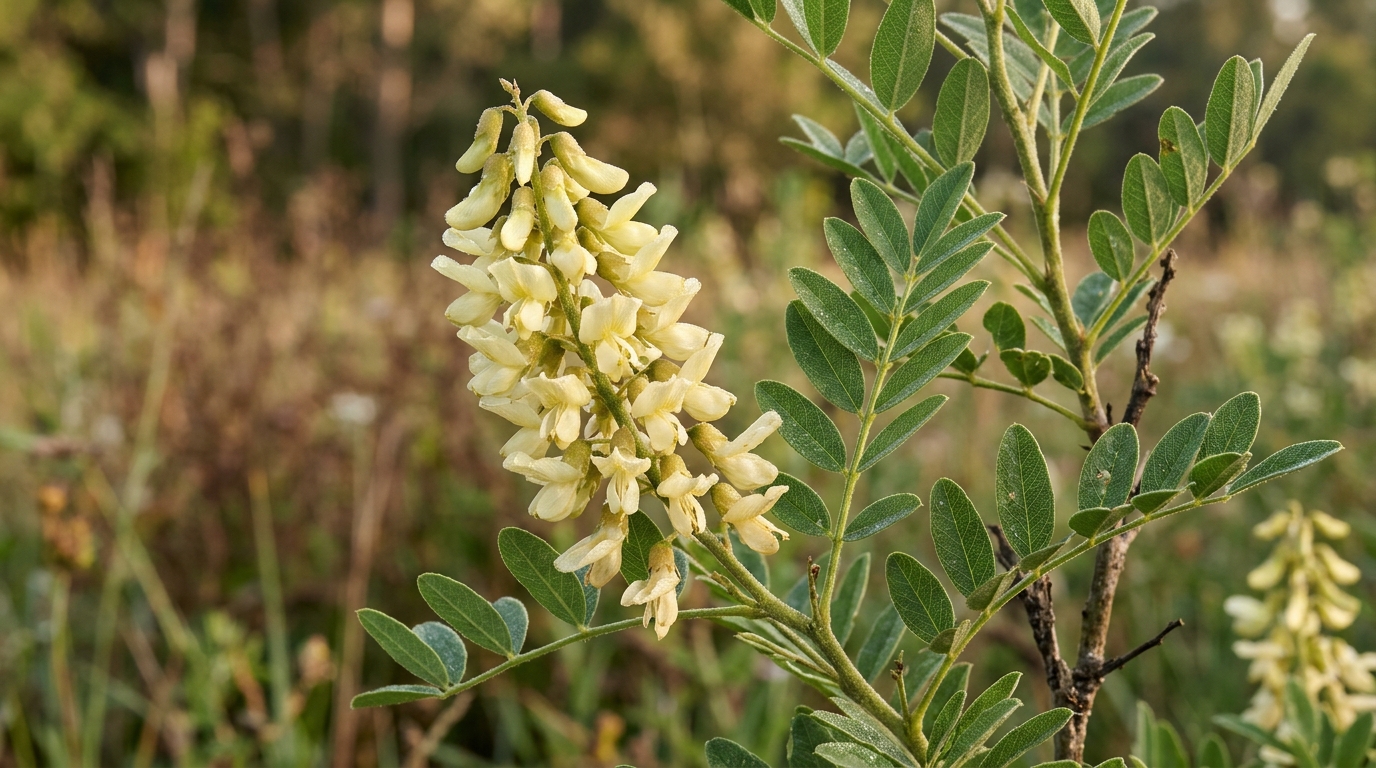
A comprehensive systematic review and meta-analysis of preclinical animal models has revealed that bioactive compounds extracted from the medicinal plant Sophora flavescens significantly ameliorate pathological markers of experimental colitis. Published in Frontiers in Nutrition by researchers from Shandong University of Traditional Chinese Medicine and Shandong First Medical University, the quantitative investigation synthesized data from thirty-nine controlled rodent studies encompassing 637 experimental animals. The analytical findings demonstrated that administration of major constituent molecules—specifically the quinolizidine alkaloids oxymatrine and matrine, alongside the flavonoid kushenol F—led to statistically significant reductions in overall disease activity indices and microscopic tissue injury scores. Furthermore, the botanical interventions attenuated characteristic body weight loss and counteracted pathological colon shortening across established chemically induced inflammatory models, providing synthesized preclinical evidence that these specific phytochemicals exert multi-target protective actions within damaged intestinal tissues.
Ulcerative colitis represents a chronic, relapsing inflammatory bowel disorder characterized by diffuse mucosal inflammation primarily localized to the colon and rectum, presenting clinically with abdominal pain, bloody diarrhea, tenesmus, and debilitating systemic wasting. The underlying pathogenesis involves an intricate cascade of genetic vulnerabilities, environmental triggers, compromised epithelial barrier integrity, unconstrained immune activation, and pronounced oxidative stress. Although modern therapeutic agents achieve clinical remission in subsets of patients, long-term disease management remains fraught with secondary non-responsiveness, treatment-associated adverse effects, and elevated risks of intestinal complications such as toxic megacolon or colorectal neoplasia. Consequently, natural plant-derived compounds possessing broad chemical diversity and multi-pathway regulatory capacities have attracted sustained research interest within nutritional immunology, prompting researchers to rigorously evaluate whether the historical therapeutic applications of Sophora flavescens, traditionally known as Kushen, are substantiated by rigorous laboratory evidence.
To establish a rigorous evidence base, the research team implemented a structured methodological protocol aligned with the Preferred Reporting Items for Systematic Reviews and Meta-Analyses guidelines and prospectively registered the analytical plan in PROSPERO under registration number CRD420261454080. The investigators executed extensive bibliographic queries across eight electronic biomedical databases from their inception dates through June 2026, comprising PubMed, Web of Science, Embase, Scopus, China National Knowledge Infrastructure, Wanfang Data Knowledge, CQVIP, and SinoMed. Eligible publications were restricted strictly to controlled in vivo animal intervention trials comparing well-defined Sophora flavescens-derived compounds against untreated or vehicle controls in validated experimental colitis models. Human clinical trials, in vitro assays, studies involving undefined botanical mixtures without isolated fractions, duplicate datasets, and publications lacking extractable quantitative metrics were systematically screened and excluded during multi-stage reviewer assessments.
The systematic screening funnel yielded thirty-nine qualifying laboratory publications published between 2001 and 2026, comprising twenty-one English-language articles and eighteen Chinese-language studies. Across the pooled experimental cohort, twenty-one trials utilized laboratory mice while eighteen evaluated rat models, with male animals predominantly represented across twenty-nine studies, female animals evaluated in four studies, mixed-sex groups in two, and four studies omitting sex documentation. Chemically induced colonic inflammation was achieved using either dextran sulfate sodium in twenty studies or 2,4,6-trinitrobenzene sulfonic acid in nineteen studies. Oxymatrine served as the primary experimental agent in twenty-four investigations, matrine was examined in thirteen trials, and kushenol F was assessed in two studies. Routes of administration encompassed oral gavage, intraperitoneal injection, intramuscular injection, and rectal delivery, with dosages and exposure schedules varying considerably across the diverse experimental designs.
Quantitative synthesis of primary macroscopic and microscopic endpoints confirmed substantial protective effects across the treated animal cohorts. Pooling twenty-one studies encompassing 340 animals revealed that Sophora flavescens-derived compounds produced a pronounced reduction in the disease activity index compared to controls, yielding a standardized mean difference of minus 3.73 under random-effects modeling. Histological colitis scores, which measure mucosal ulceration, crypt architectural distortion, and leukocyte infiltration across twenty-one studies representing 313 animals, similarly dropped significantly by a standardized mean difference of minus 3.95. Colon length, a critical physical proxy for inflammatory contraction evaluated in eighteen studies with 274 animals, increased significantly following intervention, demonstrating a standardized mean difference of 2.39. Additionally, meta-analysis of seven studies tracking percentage body weight changes documented significant mitigation of inflammatory wasting, displaying an improvement standardized mean difference of 2.30.
Pre-specified subgroup analyses uncovered important sources of heterogeneity across experimental methodologies, particularly concerning treatment duration, disease induction models, and individual chemical entities. Shorter intervention regimens lasting ten days or fewer yielded significantly greater reductions in disease activity index scores than longer protocols exceeding ten days, generating standardized mean differences of minus 4.46 versus minus 2.14, respectively, with a statistically significant between-subgroup divergence. Similarly, colon length recovery demonstrated greater magnitude in protocols lasting ten days or less compared to extended regimens. When stratified by specific chemical constituents, matrine, oxymatrine, and kushenol F all produced statistically significant improvements in disease activity index and colon length without significant between-compound divergence. However, compound stratification revealed a statistically significant difference regarding microscopic histological colitis scores, where oxymatrine generated a substantially greater reduction of minus 4.99 compared to minus 2.17 observed for matrine.
Beyond physical disease manifestations, the meta-analysis demonstrated that Sophora flavescens constituents exert wide-ranging suppression over pivotal pro-inflammatory cytokine networks. Synthesis of colon tissue protein measurements across sixteen studies demonstrated a marked decrease in tumor necrosis factor-alpha, with circulating serum levels and colonic messenger RNA expression showing corresponding, statistically significant reductions. Parallel suppressive effects were confirmed for interleukin-1 beta, which exhibited significant reductions at both tissue protein and transcriptional levels across thirteen and six studies, respectively. Interleukin-6 demonstrated uniform decreases across colonic protein, circulating serum, and colonic messenger RNA pools. Interleukin-8 and interleukin-17 concentrations also decreased significantly following botanical administration. Conversely, pooled analyses revealed no statistically significant alterations in concentrations of interleukin-10, interleukin-2, or transforming growth factor-beta, indicating that observed immunomodulation operates predominantly through suppressing active inflammatory cascades.
Investigation of upstream intracellular signaling pathways highlighted distinct molecular checkpoints targeted by these plant-derived compounds during experimental intestinal injury. Pooled analysis across seven studies demonstrated a statistically significant decrease in nuclear factor kappa B activation, a transcription factor central to amplifying inflammatory cytokines, chemokines, and adhesion molecules within mucosal tissues. Furthermore, quantitative synthesis of three studies confirmed that botanical administration significantly reduced levels of the NOD-like receptor family pyrin domain containing 3 inflammasome, an intracellular molecular complex that triggers caspase-1 activation and drives interleukin-1 beta maturation. In contrast, pooled data evaluating the adaptor protein myeloid differentiation primary response 88 showed a downward trend across three studies that failed to achieve statistical significance. Concurrently, levels of the anti-apoptotic protein Bcl-2 decreased significantly across three studies, demonstrating that cellular survival modulation does not conform to a simple anti-apoptotic mechanism.
The meta-analytic data established that mitigation of mucosal injury is closely coupled with the restoration of cellular redox equilibrium and the suppression of enzymatic oxidative bursts. Myeloperoxidase activity, an established enzymatic surrogate for neutrophil infiltration into damaged intestinal tissue, decreased markedly across five homogeneous studies, yielding a standardized mean difference of minus 4.79 under a fixed-effects model. Tissue concentrations of malondialdehyde, a primary byproduct of reactive oxygen species-mediated lipid peroxidation, decreased significantly across seven studies. Concurrently, nitric oxide levels fell significantly across four cohorts. In parallel with the suppression of oxidative mediators, Sophora flavescens interventions substantially reinforced endogenous antioxidant enzymatic machinery. Pooled estimates confirmed robust, statistically significant elevations in superoxide dismutase activity across six studies and heightened concentrations of reduced glutathione across four studies, demonstrating that augmented free-radical scavenging capacity protects structural biomolecules against oxidative degradation.
A central biological finding highlighted by the meta-analysis involves the preservation and structural recovery of the intestinal epithelial barrier. Epithelial integrity relies fundamentally upon apical tight junction complexes, in which transmembrane proteins such as occludin interconnect with intracellular scaffolding proteins, predominantly zonula occludens-1, to regulate paracellular permeability and prevent bacterial translocation. Analysis of seven qualifying preclinical studies demonstrated that treatment with Sophora flavescens compounds significantly increased occludin expression, generating a standardized mean difference of 2.69. Similarly, zonula occludens-1 abundance increased significantly across seven studies, yielding a standardized mean difference of 3.42. Because heightened paracellular permeability permits unrestrained luminal antigen exposure that perpetuates immune cell activation, the simultaneous restoration of these essential structural tight junction components suggests that mucosal barrier stabilization represents an indispensable mechanical pillar supporting the broader therapeutic actions observed across colitic models.
Despite encouraging quantitative estimates, the investigators identified substantial methodological vulnerabilities and risk-of-bias concerns that mandate cautious interpretation of the cumulative evidence. Systematic evaluation using the SYRCLE risk-of-bias instrument for laboratory animal research revealed prevalent reporting deficits, with high proportions of unclear risk across critical domains including allocation concealment, animal randomization during housing, caregiver blinding, and blinded outcome assessment. Only a small subset of studies exhibited explicitly documented high risk of bias, primarily concerning outcome assessor blinding and incomplete dataset reporting. Furthermore, statistical assessment indicated considerable between-study heterogeneity exceeding eighty percent across several primary endpoints, which was only partially accounted for by subgroup factors. Funnel plot evaluations and Egger regression tests identified potential publication bias for primary outcomes and key cytokines, although non-parametric trim-and-fill analyses indicated that directional effect estimates remained statistically robust following hypothetical adjustments.
In their concluding assessment, the authors stressed that critical translational barriers preclude the direct extrapolation of these preclinical animal findings to human clinical practice. All thirty-nine evaluated trials were conducted in rodent models, which do not fully replicate the chronic genetic heterogeneity, diverse microbial ecosystems, or complex clinical progression of human ulcerative colitis. Crucially, the included laboratory studies completely lacked standardized toxicological assessments, leaving parameters such as systemic organ toxicity, dose-dependent adverse reactions, and long-term tolerability undefined. No randomized controlled clinical trials have yet determined the therapeutic window, optimal dosage regimens, pharmacokinetic profiles, or human safety margins for isolated matrine, oxymatrine, or kushenol F in patient populations. Consequently, while these synthesized findings delineate promising multi-target mechanistic pathways within experimental models, rigorously designed and standardized preclinical trials alongside controlled human clinical investigations remain mandatory before considering therapeutic translation.
Subject of Research: Preclinical meta-analysis of Sophora flavescens-derived compounds in experimental colitis models
Article Title: Protective effects of Sophora flavescens-derived compounds against experimental colitis: a systematic review and meta-analysis of preclinical studies
Article References: Chen, L., Zhou, W., Lu, Y., Geng, R., & Zhang, Y. (2026). Protective effects of Sophora flavescens-derived compounds against experimental colitis: a systematic review and meta-analysis of preclinical studies. Frontiers in Nutrition, 13, 1976432. https://doi.org/10.3389/fnut.2026.1976432
Image Credits: AI Generated
DOI: 10.3389/fnut.2026.1976432
Keywords: Sophora flavescens, Kushen, ulcerative colitis, experimental colitis, matrine, oxymatrine, kushenol F, preclinical meta-analysis, systematic review, disease activity index, intestinal barrier integrity, occludin, zonula occludens-1, inflammatory cytokines, oxidative stress, NF-κB signaling, NLRP3 inflammasome, SYRCLE risk of bias
News Source: Ophelia Keating. (November 17, 2026). Sophora Flavescens Compounds Ease Colitis in Animal Models, Meta-Analysis Shows. Scienmag.