BAR HARBOR, MAINE – The MDI Biological Laboratory will offer three lectures for the public on the science of aging as part of its new signature course on aging. The presenters, all leaders in the field of aging research, will address tantalizing questions such as why do we age, what mechanisms regulate aging on a cellular level and can youthfulness be extended through genetic manipulation?
The lectures for the public are part of a new signature course on aging, "Comparative and Experimental Approaches to Aging Biology Research," which addresses two of the most fundamental issues related to aging: can we strengthen our cellular systems to make them more resistant to aging, and can we identify ways to regenerate tissues that have already been damaged?
In recent years, research in animal models has identified some of the mechanisms that control aging in the cell, opening the door to the development of therapies that can prolong healthy lifespan by delaying the onset of age-related diseases such as Alzheimer's, cancer and heart disease. Such therapies also hold the potential to address the skyrocketing financial burden of caring for an aging population.
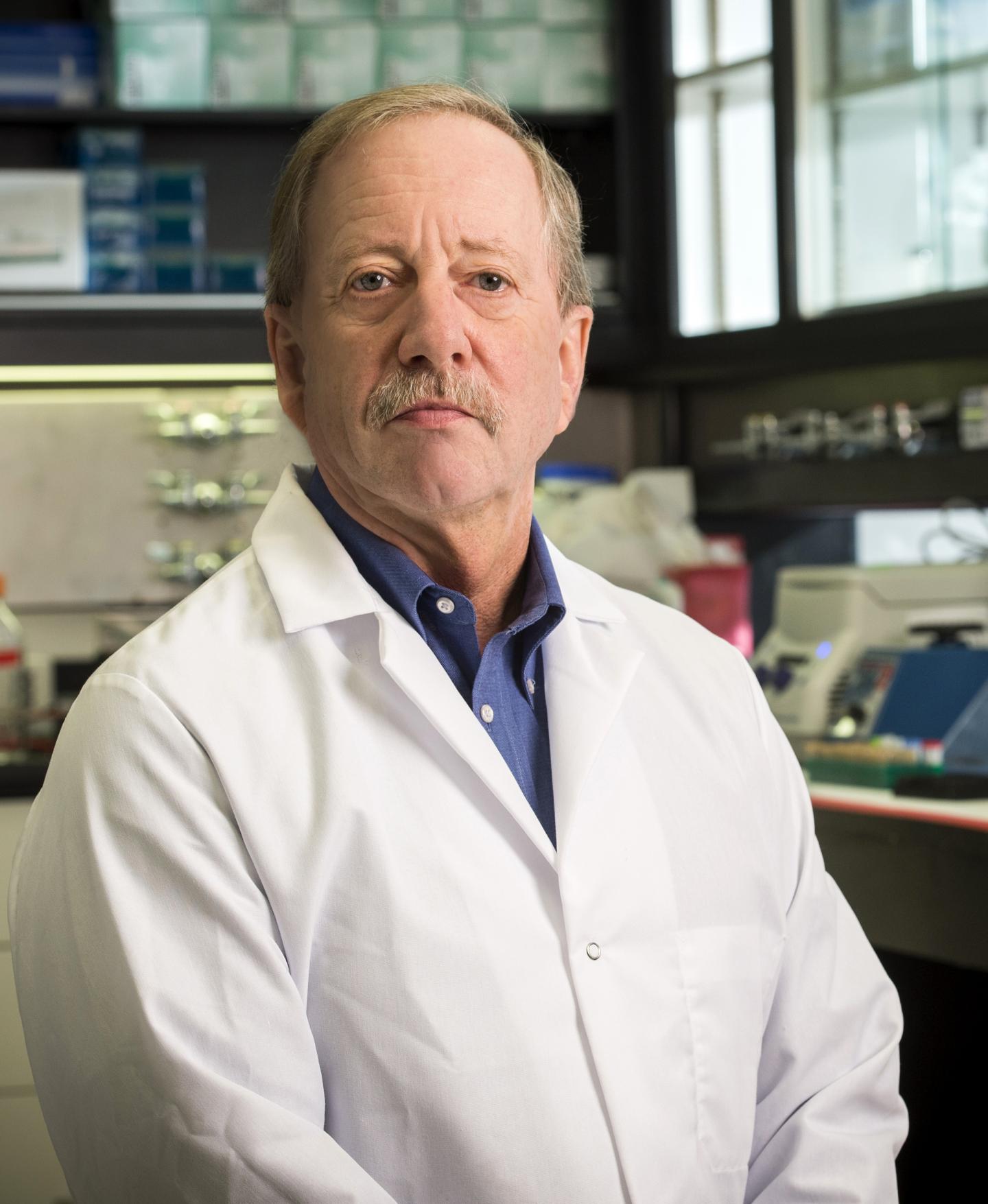
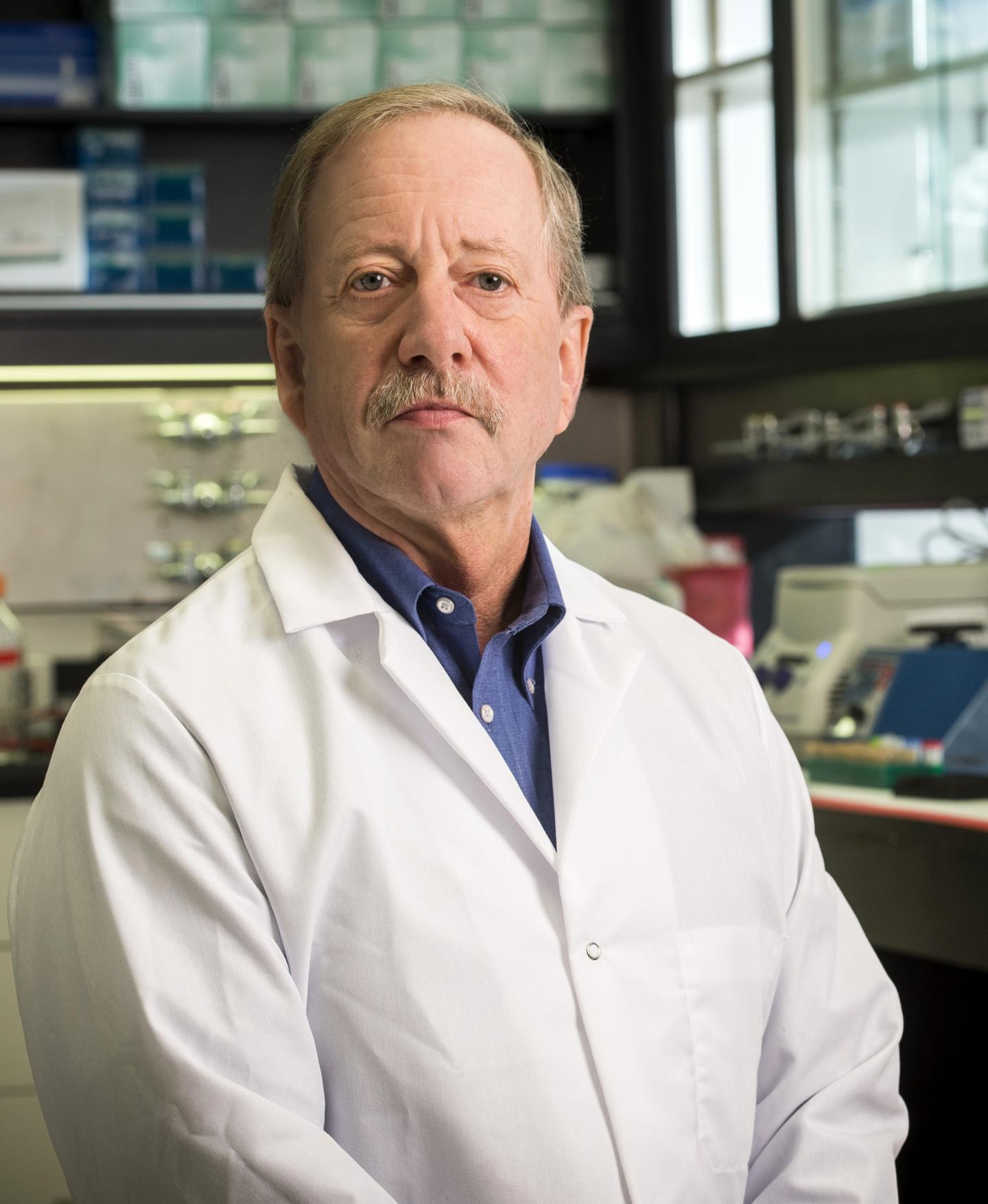
"In contrast to the traditional 'one disease, one drug' approach, the development of anti-aging drugs that extend healthy lifespan and boost life expectancy holds the promise of revolutionizing the practice of medicine," said Aric Rogers, Ph.D., an assistant professor at the MDI Biological Laboratory and director of the aging course. "This is a very exciting time to be involved in aging research: science is on the cusp of developing a plethora of new drugs for the treatment of aging and age-related conditions."
Attendees at the three public lectures will have an opportunity to hear about these and other advances in the science of aging. The lectures, which are free, will be held at the institution's Maren Auditorium at 7 p.m.
- Cserr Lecture: Tuesday, June 21 — "Cellular Recycling in Aging and Disease: The Importance of Taking Out the Trash" by Malene Hansen, Ph.D., Associate Professor, Program of Development, Aging and Regeneration, Sanford-Burnham-Prebys Medical Discovery Institute
Aging is greatly influenced by quality-control processes that keep the materials inside our cells in proper shape and function. One of these processes is called autophagy, which means "self-eating." This cellular recycling process digests damaged components to provide new and better parts. Autophagy plays important roles in many age-related diseases and has been directly linked to aging. Hansen's laboratory uses the microscopic soil-dwelling round worm, C. elegans, to understand the link between autophagy and aging and disease. She will discuss how autophagy is regulated during normal aging and how it may promote a long and healthy lifespan.
- Kinter Lecture: Thursday, June 30 — "Living to Be 150: How Soon? How Desirable?" by Steven N. Austad, Ph.D., Distinguished Professor and Chair, Department of Biology, University of Alabama at Birmingham
No one in human history has been documented to be older than 122. Yet progress in prolonging the life and health of laboratory animals has raised the prospect that treatments may soon be available that would allow someone to live to be 150. Two respected researchers have even placed a $500 million bet on someone living to 150 by the year 2150. Austad will discuss such questions as: What are these life-extending treatments? How solid is the evidence that they slow aging? How soon will we know something about their impact on health? What would be the social and environmental impact and what are the ethical concerns? Are we reaching for the holy grail or the poison chalice of biomedical research?
- Davis Lecture, Friday, July 1: "Quality Control in Our Cells: Hero or Culprit in Aging and Disease?" by Richard I. Morimoto, Ph.D., Bill and Gayle Cook Professor, Molecular Biosciences, Northwestern University
We are increasingly preoccupied with health and longevity. But increased lifespan comes with increased risk for dementia, neurodegenerative diseases such as Alzheimer's and Parkinson's and other age-related degenerative diseases. The accumulation of damaged proteins that interfere with cellular function over the course of time is a common feature of aging and age-related diseases. The appearance of this "molecular clutter" is the direct result of the failure of the cell's quality control machinery. Morimoto will examine how this quality control machinery deals with molecular clutter, the effects of aging on these processes and whether it's possible to reset the cellular machinery to restore or prevent molecular damage.
###
The MDI Biological Laboratory, located in Bar Harbor, Maine, is an independent, non-profit biomedical research institution focused on increasing healthy lifespan and increasing our natural ability to repair and regenerate tissues damaged by injury or disease. The institution develops solutions to complex human health problems through research, education and ventures that transform discoveries into cures. For more information, please visit mdibl.org.
Media Contact
Stefanie Matteson
[email protected]
207-288-9880
Home