Plant-derived exosome-like nanoparticles extracted from the traditional medicinal herb Cistanche deserticola successfully alleviated drug-induced constipation in laboratory mice by activating a specialized cellular cleanup pathway and restructuring intestinal bacterial populations, according to an experimental investigation published in Frontiers in Microbiology. Conducted by an interdisciplinary research team from medical and pharmaceutical institutions in Wuhan, China, the study demonstrated that oral administration of these nanoscale vesicular particles restored depressed fecal output, improved stool water retention, and accelerated slowed intestinal transit in mice subjected to loperamide-induced hypomotility. Molecular profiling revealed that the therapeutic efficacy of these plant-derived vesicles depended upon the activation of PTEN-induced kinase 1, an essential mitochondrial sensor that orchestrates the selective clearance of damaged cellular powerhouses through mitophagy while suppressing programmed cell death among critical intestinal pacemaker cells. Concurrently, the nanoparticle treatment restored beneficial bacterial genera in the gut lumen, establishing an interconnected host-microbiome mechanism that reinstated intrinsic intestinal contractions.
Constipation represents an exceptionally widespread functional gastrointestinal disorder that impairs daily quality of life, with epidemiological evaluations indicating that it affects between 10.1 percent and 15.3 percent of the global population. Cistanche deserticola, a dried fleshy stem traditionally used in Chinese medicine to tonify kidney function and moisten intestinal tissues, has demonstrated modern pharmacological potential for enhancing bowel peristalsis. Recent technological advances demonstrate that plant exosome-like nanoparticles serve as stable biological vehicles capable of transporting lipids, proteins, and regulatory microRNAs across physiological barriers, presenting a multi-target therapeutic medium for complex gastrointestinal disorders.
At the microscopic level, regular propulsion of intestinal contents relies upon interstitial cells of Cajal, specialized pacemaker cells that generate and propagate electrical slow-wave potentials to direct the rhythmic contractions of intestinal smooth muscle. Loss of these specialized cells, disintegration of their branching cellular networks, and aberrant apoptosis constitute primary pathological characteristics of slow-transit constipation. Mitochondria supply the continuous cellular energy necessary for maintaining these electrical rhythms, but when mitochondrial quality control falters, damaged organelles accumulate and initiate cell death cascades. The PINK1/Parkin signaling cascade serves as a principal biological mechanism responsible for recognizing defective mitochondria and directing them toward autophagic destruction. Insufficient expression or activation of the upstream sensor protein PINK1 permits dysfunctional mitochondria to persist, triggering apoptotic signaling within interstitial cells of Cajal. Concurrently, gut microbial dysbiosis actively contributes to constipation, as healthy microbial metabolites such as short-chain fatty acids stimulate host mitophagy, whereas dysbiotic microbial shifts suppress mitochondrial cleanup and accelerate tissue pathology.
To evaluate this therapeutic strategy, researchers isolated exosome-like nanoparticles from authenticated dried fleshy stems of Cistanche deserticola using differential centrifugation combined with sequential membrane filtration and high-speed ultracentrifugation. Morphological characterization via transmission electron microscopy established that the isolated vesicles exhibited typical circular or elliptical morphologies enveloped by distinct lipid bilayers, displaying an average particle diameter of 152.6 nanometers. Nanoparticle tracking analysis measured a negative zeta potential of minus 21.67 millivolts, confirming colloidal stability and uniform dispersion within physiological buffers. Spectrophotometric assays revealed a protein concentration of approximately 2.5 milligrams per milliliter and an estimated concentration of 4.6 times ten to the tenth particles per milliliter, corresponding to a particle-to-protein ratio of 1.84 times ten to the tenth particles per milligram. Comprehensive histological examinations of heart, liver, spleen, lung, and kidney sections from treated mice revealed no evident histopathological lesions or toxic abnormalities, confirming the preliminary biological safety profile of the plant-derived vesicle preparations.
The experimental protocol evaluated male C57BL/6 mice subjected to constipation induced by intragastric administration of loperamide at ten milligrams per kilogram twice daily across two weeks. Pharmacological induction produced pronounced symptoms, reducing the five-hour fecal pellet count from 30.67 in healthy controls to 8.83 in model mice, while dropping fecal moisture from 35.00 percent to 18.17 percent and lowering small intestinal transit from 85.33 percent to 47.67 percent. Starting on day seven, mice received daily oral doses of Cistanche deserticola vesicles at 25, 50, or 100 milligrams per kilogram of body weight, alongside a positive control cohort administered 2.5 grams per kilogram of lactulose.
Histomorphological evaluation of intestinal specimens further demonstrated that loperamide exposure severely damaged the mucosal architecture of both the colon and ileum, marked by fragmented crypts, extensive depletion of mucus-secreting goblet cells, structural disintegration of villi, and notable inflammatory infiltration. Daily supplementation with the botanical vesicles reversed these degenerative histopathological disruptions and markedly attenuated local inflammatory activity.
Colonic transcriptomic profiling via ribonucleic acid sequencing mapped 14,147 co-expressed genes, demonstrating that the botanical vesicles fundamentally altered expression patterns enriched within apoptosis, tumor necrosis factor signaling, and AMP-activated protein kinase pathways. Twenty differentially expressed messenger RNAs directly correlated with mitophagy and apoptotic processes, prominently highlighting substantial regulation of PTEN-induced kinase 1. In wild-type animals, high-dose vesicle therapy increased fecal output from 9.33 to 25.50 pellets, moisture from 20.83 percent to 36.00 percent, and intestinal transit from 47.00 percent to 78.00 percent. In striking contrast, identical vesicle administration produced no functional benefit in PINK1-deficient mice, whose pellet count, moisture, and transit remained stalled at 10.83, 24.50 percent, and 49.83 percent. Furthermore, the anti-inflammatory reductions in colonic cytokines and myeloperoxidase were completely abolished in the absence of functional host PINK1.
Biochemical and imaging examinations verified that the botanical nanoparticles safeguarded mitochondrial integrity specifically by activating autophagic recycling pathways. Constipated mice exhibited elevated colonic co-localization of P62 with the mitochondrial outer membrane marker Tom20, a hallmark of stalled mitophagy, which the nanoparticle intervention successfully reversed. Nanoparticle treatment also counteracted the loperamide-induced downregulation of LC3-II and accumulation of p62, confirming restored autophagic flux alongside the physical clearance of impaired organelles. At the metabolic level, constipation caused a severe depletion in colonic adenosine triphosphate production alongside an elevated accumulation of malondialdehyde, an end product of lipid peroxidation indicative of mitochondrial oxidative damage. Nanoparticle therapy elevated tissue adenosine triphosphate concentrations and decreased malondialdehyde accumulation back toward baseline values. Ultrastructural imaging under transmission electron microscopy confirmed that swollen, vacuolated mitochondria with disorganized cristae were rehabilitated following nanoparticle administration, whereas PINK1-knockout mice continued to exhibit swollen organelles, absent cristae, and accumulated autophagosomes, confirming persistent clearance failure.
The survival of enteric pacemaker cells proved to be intimately tied to this restored mitochondrial quality control mechanism. Utilizing dual immunofluorescence labeling for c-Kit, an established marker for interstitial cells of Cajal, alongside terminal deoxynucleotidyl transferase dUTP nick end labeling for fragmented DNA, the team quantified cellular apoptosis in colonic sections. Constipated mice displayed a diminished c-Kit-positive area and an elevated apoptosis area, visually demonstrating extensive pacemaker cell attrition. Vesicle treatment preserved the network integrity of interstitial cells of Cajal, significantly expanding c-Kit coverage while curbing apoptotic signals. Immunoblotting of colonic protein extracts showed that the vesicles upregulated the anti-apoptotic regulator Bcl-2 while suppressing the pro-apoptotic proteins Bax and cleaved caspase-3, thereby increasing the protective Bcl-2 to Bax ratio that stabilizes mitochondrial membranes against apoptotic factor release. In PINK1-knockout mice, however, these anti-apoptotic adaptations disappeared completely, demonstrating that active mitophagy is biologically indispensable for preventing pacemaker apoptosis and preserving intestinal rhythmicity.
High-throughput 16S ribosomal DNA amplicon sequencing demonstrated that loperamide caused marked cecal dysbiosis, significantly depressing alpha-diversity compared to control animals. Supplementation with Cistanche deserticola vesicles restored alpha-diversity to control levels in wild-type mice, whereas PINK1-knockout animals exhibited no diversity recovery. Genus-level analyses showed that loperamide depleted several key taxa, including Alistipes, Bacteroides, Lactobacillus, Lachnospiraceae NK4A136 group, Odoribacter, and Prevotellaceae UCG-001. Nanoparticle intervention successfully restored these depleted genera in wild-type mice, an effect that failed entirely in PINK1-knockout mice, where taxa such as Escherichia-Shigella, Desulfovibrio, and Clostridium sensu stricto 1 remained dominant. Restored genera produce metabolites like butyrate, reinforcing mitochondrial quality and sustaining motility. Nonetheless, the authors highlighted critical limitations: mitophagy was assessed in whole colonic tissue rather than sorted interstitial cells of Cajal, the nanoparticle molecular cargo and biodistribution remain uncharacterized, and the administered murine doses of 25 to 100 milligrams per kilogram require extensive translation, optimization, and stability validation before considering clinical application.
Subject of Research: Therapeutic mechanism of Cistanche deserticola exosome-like nanoparticles in murine constipation
Article Title: Cistanche deserticola exosome-like nanoparticles alleviate constipation through PINK1-dependent mitophagy and gut microbiota remodeling
Article References: Wang, P., Xiao, W., Xiong, Z., Chen, X., Du, Y., Zhou, J., Shen, J., Cai, Y., Lin, A., & Zhang, X. (2026). Cistanche deserticola exosome-like nanoparticles alleviate constipation through PINK1-dependent mitophagy and gut microbiota remodeling. Frontiers in Microbiology, 17, Article 2013471. https://doi.org/10.3389/fmicb.2026.2013471
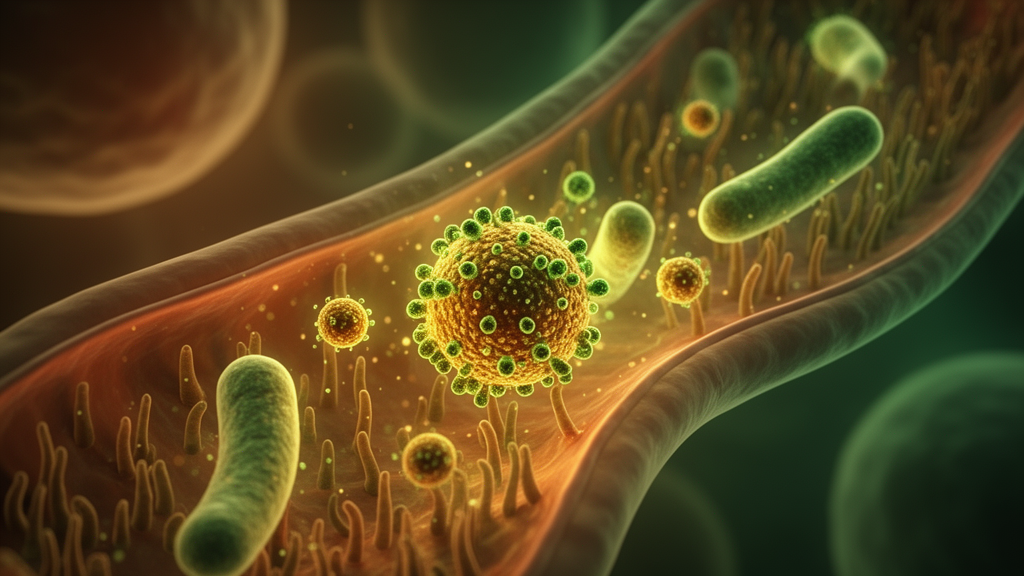
Image Credits: AI Generated
DOI: 10.3389/fmicb.2026.2013471
Keywords: Cistanche deserticola, exosome-like nanoparticles, constipation, PINK1, mitophagy, interstitial cells of Cajal, gut microbiota, Parkin, loperamide, mitochondrial quality control, colonic motility, Bacteroides, Alistipes, intestinal transit, reactive oxygen species, malondialdehyde, adenosine triphosphate
News Source: Morgan Morrow. (November 11, 2026). Desert Plant Nanoparticles Relieve Constipation in Mice Through Mitochondrial and Microbial Pathways. Scienmag.