• HOME
  • NEWS
  • EXPLORE
    • CAREER
      • Companies
      • Jobs
    • EVENTS
    • iGEM
      • News
      • Team
    • PHOTOS
    • VIDEO
    • WIKI
  • BLOG
  • COMMUNITY
    • FACEBOOK
    • INSTAGRAM
    • TWITTER
Friday, November 13, 2026
BIOENGINEER.ORG
No Result
View All Result
  • Login
  • HOME
  • NEWS
  • EXPLORE
    • CAREER
      • Companies
      • Jobs
        • Lecturer
        • PhD Studentship
        • Postdoc
        • Research Assistant
    • EVENTS
    • iGEM
      • News
      • Team
    • PHOTOS
    • VIDEO
    • WIKI
  • BLOG
  • COMMUNITY
    • FACEBOOK
    • INSTAGRAM
    • TWITTER
No Result
View All Result
Bioengineer.org
No Result
View All Result
Home NEWS Science News Health

Aging Frontotemporal Dementia Mouse Model Links Lysosomal Dysfunction to Synaptic Impairment

by
November 10, 2026
in Health
Reading Time: 2 mins read
0
Aging Frontotemporal Dementia Mouse Model Links Lysosomal Dysfunction to Synaptic Impairment

Aging Frontotemporal Dementia Mouse Model Links Lysosomal Dysfunction to Synaptic Impairment

Share on FacebookShare on TwitterShare on LinkedinShare on RedditShare on Telegram

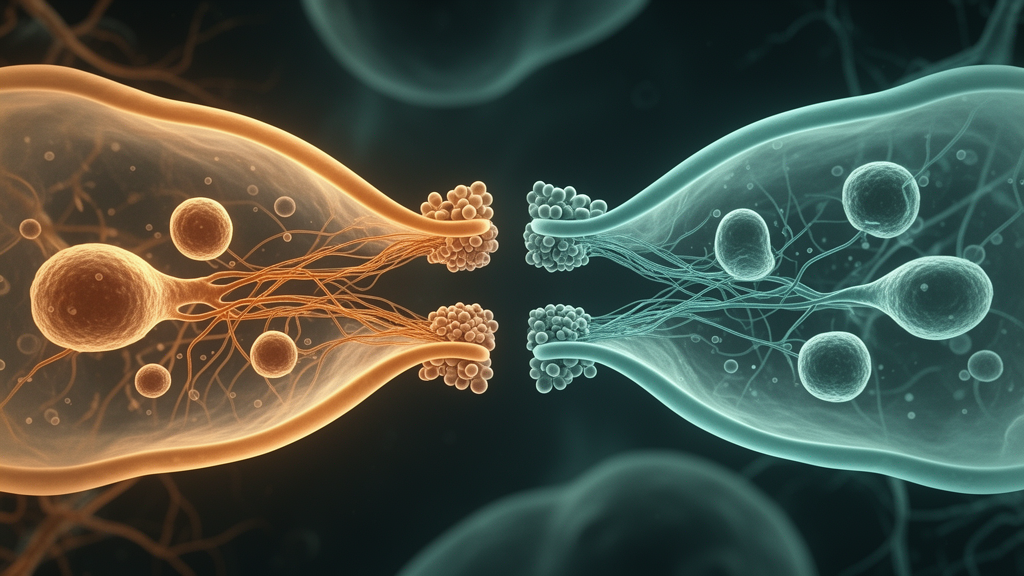
In a progranulin (Grn) knockout mouse model of frontotemporal dementia, aging is associated with behavioral alterations, lysosomal dysfunction, region-specific inflammation, and glutamatergic synaptic impairments. Researchers evaluating the model identified progranulin-related lysosomal dysfunction as a contributing factor to circuit disruption and behavioral deficits, pointing to a need for combinatorial therapeutic strategies that extend beyond progranulin replacement.

Progranulin-related frontotemporal dementia (GRN-FTD) is an inherited neurodegenerative disorder caused by progranulin (PGRN) deficiency. While progranulin functions are well characterized and several therapeutic strategies aiming to restore its levels are currently under evaluation, the mechanisms linking progranulin loss to neurodegeneration remain unclear.

Exploiting the Grn knockout mouse model, researchers investigated the impact of progranulin deficiency on behavior longitudinally across four time points: 4, 6, 9, and 12 months. Grn-mutant mice displayed genotype-specific, age-dependent impairments in pheromone perception, memory deficits, and increased aggression over time.

At 12 months of age, the final time point assessed in the study, the investigators examined glucocerebrosidase (GCase) activity, consequent glucosylsphingosine (GS) accumulation, neuroinflammation, and molecular and morphological alterations at glutamatergic synapses. Reduced GCase activity and GS accumulation confirmed lysosomal dysfunction in the mutant mice.

The confirmed lysosomal dysfunction was associated with brain-region-specific alterations in AMPA-type and NMDA-type glutamate receptor levels. In addition, morphological analysis revealed reduced dendritic spine density, an alteration observed specifically in Grn+/− mice.

These findings identify progranulin-related lysosomal dysfunction as a contributing factor to circuit disruption and behavioral deficits in the mouse model. Based on these observations, the authors highlight the need for combinatorial therapeutic strategies going beyond progranulin replacement alone.

Subject of Research: Lysosomal and synaptic pathology in progranulin-deficient frontotemporal dementia mouse models

Article Title: Aging is associated with behavioral alterations, lysosomal dysfunction, region-specific inflammation, and glutamatergic synaptic impairments in a Grn knockout mouse model of frontotemporal dementia

Article References: Bertasini, C., Italia, M., Tavakolian Haghighi, S., Salzano, S., Sorio, D., Murari, M., Gottardo, R., Galasso, M., Scupoli, M. T., Castagna, A., Cané, S., Wahlberg, L. U., Gardoni, F., & Paolone, G. (2026). Aging is associated with behavioral alterations, lysosomal dysfunction, region-specific inflammation, and glutamatergic synaptic impairments in a Grn knockout mouse model of frontotemporal dementia. Acta Neuropathologica Communications. https://doi.org/10.1186/s40478-026-02418-4

Image Credits: AI Generated

DOI: 10.1186/s40478-026-02418-4

Keywords: Frontotemporal dementia, Progranulin, Grn knockout mice, Lysosomal dysfunction, Glutamate receptors, Neuroinflammation, Synaptic plasticity, Neurodegeneration, Aging, associated, behavioral, alterations

News Source: Cassandra Pierce. (November 10, 2026). Aging Frontotemporal Dementia Mouse Model Links Lysosomal Dysfunction to Synaptic Impairment. Scienmag.


Tags: AgingalterationsassociatedBehavioralfrontotemporal dementiaglutamate receptorsGrn knockout micelysosomal dysfunctionneurodegenerationNeuroinflammationprogranulinsynaptic plasticity
Share12Tweet7Share2ShareShareShare1

Related Posts

Clinical Trial Demonstrates Feasibility of Ketogenic Metabolic Therapy for Severe Psychiatric Disorders

Clinical Trial Demonstrates Feasibility of Ketogenic Metabolic Therapy for Severe Psychiatric Disorders

November 13, 2026
Rowers Improve Race Times Without Matching Shifts in Standard Training Biomarkers

Rowers Improve Race Times Without Matching Shifts in Standard Training Biomarkers

November 13, 2026

Insulin Resistance Emerges as Sentinel Driver Across the Cardiometabolic Disease Spectrum

November 13, 2026

Preclinical Meta-Analysis Evaluates Naringenin for Myocardial Ischemia-Reperfusion Injury

November 13, 2026

POPULAR NEWS

  • Researchers Review SQSTM1 and p62 Dual Roles Across Cancer Development

    Researchers Review SQSTM1 and p62 Dual Roles Across Cancer Development

    29 shares
    Share 12 Tweet 7
  • Insulin Resistance Emerges as Sentinel Driver Across the Cardiometabolic Disease Spectrum

    29 shares
    Share 12 Tweet 7
  • Fish-Derived Probiotic Enhances Growth and Disease Defense in Farmed Tench

    29 shares
    Share 12 Tweet 7
  • Preclinical Meta-Analysis Evaluates Naringenin for Myocardial Ischemia-Reperfusion Injury

    29 shares
    Share 12 Tweet 7

About

We bring you the latest biotechnology news from best research centers and universities around the world. Check our website.

Follow us

Recent News

Clinical Trial Demonstrates Feasibility of Ketogenic Metabolic Therapy for Severe Psychiatric Disorders

DNA Barcoding Identifies More Than 60,000 Insect Species Across California

Neanderthal Heels Showed Flat Feet Adapted for Stability

Subscribe to Blog via Email

Enter your email address to subscribe to this blog and receive notifications of new posts by email.

Join 86 other subscribers
  • Contact Us

Bioengineer.org © Copyright 2023 All Rights Reserved.

Welcome Back!

Login to your account below

Forgotten Password?

Retrieve your password

Please enter your username or email address to reset your password.

Log In
No Result
View All Result
  • Homepages
    • Home Page 1
    • Home Page 2
  • News
  • National
  • Business
  • Health
  • Lifestyle
  • Science

Bioengineer.org © Copyright 2023 All Rights Reserved.