• HOME
  • NEWS
  • EXPLORE
    • CAREER
      • Companies
      • Jobs
    • EVENTS
    • iGEM
      • News
      • Team
    • PHOTOS
    • VIDEO
    • WIKI
  • BLOG
  • COMMUNITY
    • FACEBOOK
    • INSTAGRAM
    • TWITTER
Tuesday, November 10, 2026
BIOENGINEER.ORG
No Result
View All Result
  • Login
  • HOME
  • NEWS
  • EXPLORE
    • CAREER
      • Companies
      • Jobs
        • Lecturer
        • PhD Studentship
        • Postdoc
        • Research Assistant
    • EVENTS
    • iGEM
      • News
      • Team
    • PHOTOS
    • VIDEO
    • WIKI
  • BLOG
  • COMMUNITY
    • FACEBOOK
    • INSTAGRAM
    • TWITTER
No Result
View All Result
Bioengineer.org
No Result
View All Result
Home NEWS Science News Health

Mitochondrial Dysfunction Linked to Blood-Brain Barrier Failure

by
November 10, 2026
in Health
Reading Time: 2 mins read
0
Mitochondrial Dysfunction Linked to Blood-Brain Barrier Failure

Mitochondrial Dysfunction Linked to Blood-Brain Barrier Failure

Share on FacebookShare on TwitterShare on LinkedinShare on RedditShare on Telegram

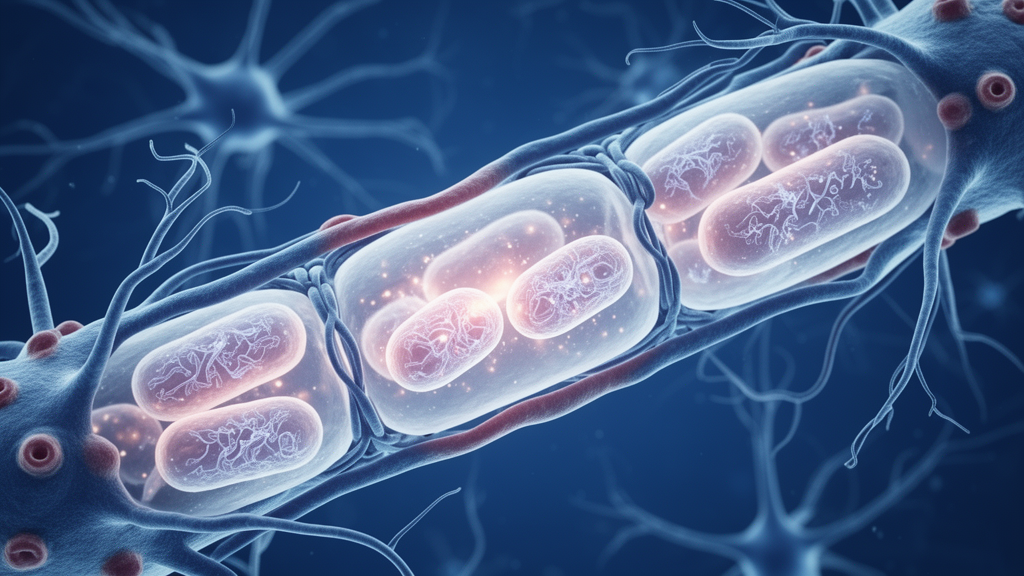
A review published in Fluids and Barriers of the CNS examines the mechanistic connection between mitochondrial dysfunction and the breakdown of the blood-brain barrier. The authors argue that the high metabolic demands of maintaining barrier integrity make this system uniquely vulnerable to bioenergetic failure. This review critically evaluates how specific mitochondrial abnormalities contribute to aberrant barrier phenotypes in the central nervous system.

The blood-brain barrier functions as a highly selective regulatory system that governs molecular transport between the systemic circulation and the central nervous system. Maintaining this strict permeability relies on continuous, high-energy interactions within the neurovascular unit. These interactions are primarily fueled by mitochondria, which provide the necessary energy for the system to operate effectively. The review highlights that the maintenance of barrier integrity imposes an immense metabolic burden on these cellular components.

Because of this heavy metabolic load, the neurovascular unit is described as being uniquely susceptible to bioenergetic failure. The review details evidence suggesting that mitochondrial dynamics within multiple cell populations govern the stability of the barrier. These populations include brain microvascular endothelial cells, pericytes, astrocytes, and microglia.

The review specifically examines how mitochondrial reactive oxygen species contribute to barrier dysfunction. It also explores the role of aberrant fission and fusion cycles in this process. Additionally, the authors discuss how impaired quality control mechanisms precipitate the disassembly of tight junctions.

Furthermore, the article explores the emerging paradigm of “mitoceuticals,” a class of therapeutics engineered to correct bioenergetic deficits. These agents target specific molecular mechanisms, such as mitoNEET stability and mitochondrial dynamics. By addressing these underlying issues, the review suggests that these therapeutics offer a strategic opportunity to preserve neurovascular unit function. The potential of these agents is evaluated as a way to reinforce the bioenergetic infrastructure of the unit.

The authors conclude that targeting these mechanisms represents a vital, yet under-explored, avenue for treating various disorders. The review identifies ischemic and neurodegenerative disorders as key areas where this approach could be applicable. By therapeutically reinforcing the bioenergetic infrastructure, there is potential to improve outcomes in these conditions.

This work is presented as a review that synthesizes existing evidence on the link between mitochondrial health and barrier integrity.

Subject of Research: Mitochondrial dysfunction and blood-brain barrier integrity

Article Title: Mitochondria and blood-brain barrier dysfunction: a promising target for cerebrovascular disorders

Article References: Cicala, D., Geldenhuys, W. J., Carerra, E., Maghareh, M., S. M. Roknuzzaman, A., Sarker, R., & Huber, J. D. (2026). Mitochondria and blood-brain barrier dysfunction: a promising target for cerebrovascular disorders. Fluids and Barriers of the CNS. https://doi.org/10.1186/s12987-026-00854-x

Image Credits: AI Generated

DOI: 10.1186/s12987-026-00854-x

Keywords: blood-brain barrier, mitochondria, neurovascular unit, cerebrovascular disorders, mitoceuticals, bioenergetics, neurodegenerative disorders, review, blood-brain, barrier, dysfunction, promising

News Source: Cassandra Pierce. (November 10, 2026). Mitochondrial Dysfunction Linked to Blood-Brain Barrier Failure. Scienmag.


Tags: barrierbioenergeticsBlood-brainBlood-brain barriercerebrovascular disordersdysfunctionmitoceuticalsmitochondrianeurodegenerative disordersNeurovascular unitpromisingReview
Share12Tweet7Share2ShareShareShare1

Related Posts

Tuscany Hospital Admissions Fell Over 25 Years as Patient Complexity Increased

Tuscany Hospital Admissions Fell Over 25 Years as Patient Complexity Increased

November 10, 2026
CO2 Metrics Predict VA-ECMO Weaning Success in Shock Patients

CO2 Metrics Predict VA-ECMO Weaning Success in Shock Patients

November 10, 2026

Dietary Antioxidant Capacity Shows No Significant Link to Colorectal KRAS Mutations

November 10, 2026

Microglial State Shifts Identified in Drug-Resistant Epilepsy Tissue

November 10, 2026

POPULAR NEWS

  • Study Uncovers Botanical Compounds and Mechanisms Targeting Chronic Bronchitis Inflammation

    Study Uncovers Botanical Compounds and Mechanisms Targeting Chronic Bronchitis Inflammation

    29 shares
    Share 12 Tweet 7
  • Three Millimolar Caffeine Enhances Cryopreserved Nguni Bull Semen Post-Thaw Motility

    29 shares
    Share 12 Tweet 7
  • Higher Brain Iron Levels Are Associated With MRI Alterations in Older Adults

    29 shares
    Share 12 Tweet 7
  • Parent B Candida orthopsilosis caused fatal breakthrough candidemia during caspofungin therapy

    29 shares
    Share 12 Tweet 7

About

We bring you the latest biotechnology news from best research centers and universities around the world. Check our website.

Follow us

Recent News

Arabian Fossil Reveals Earliest Known Relative of Ancient Giant Civet Lineage

Tuscany Hospital Admissions Fell Over 25 Years as Patient Complexity Increased

CO2 Metrics Predict VA-ECMO Weaning Success in Shock Patients

Subscribe to Blog via Email

Enter your email address to subscribe to this blog and receive notifications of new posts by email.

Join 87 other subscribers
  • Contact Us

Bioengineer.org © Copyright 2023 All Rights Reserved.

Welcome Back!

Login to your account below

Forgotten Password?

Retrieve your password

Please enter your username or email address to reset your password.

Log In
No Result
View All Result
  • Homepages
    • Home Page 1
    • Home Page 2
  • News
  • National
  • Business
  • Health
  • Lifestyle
  • Science

Bioengineer.org © Copyright 2023 All Rights Reserved.