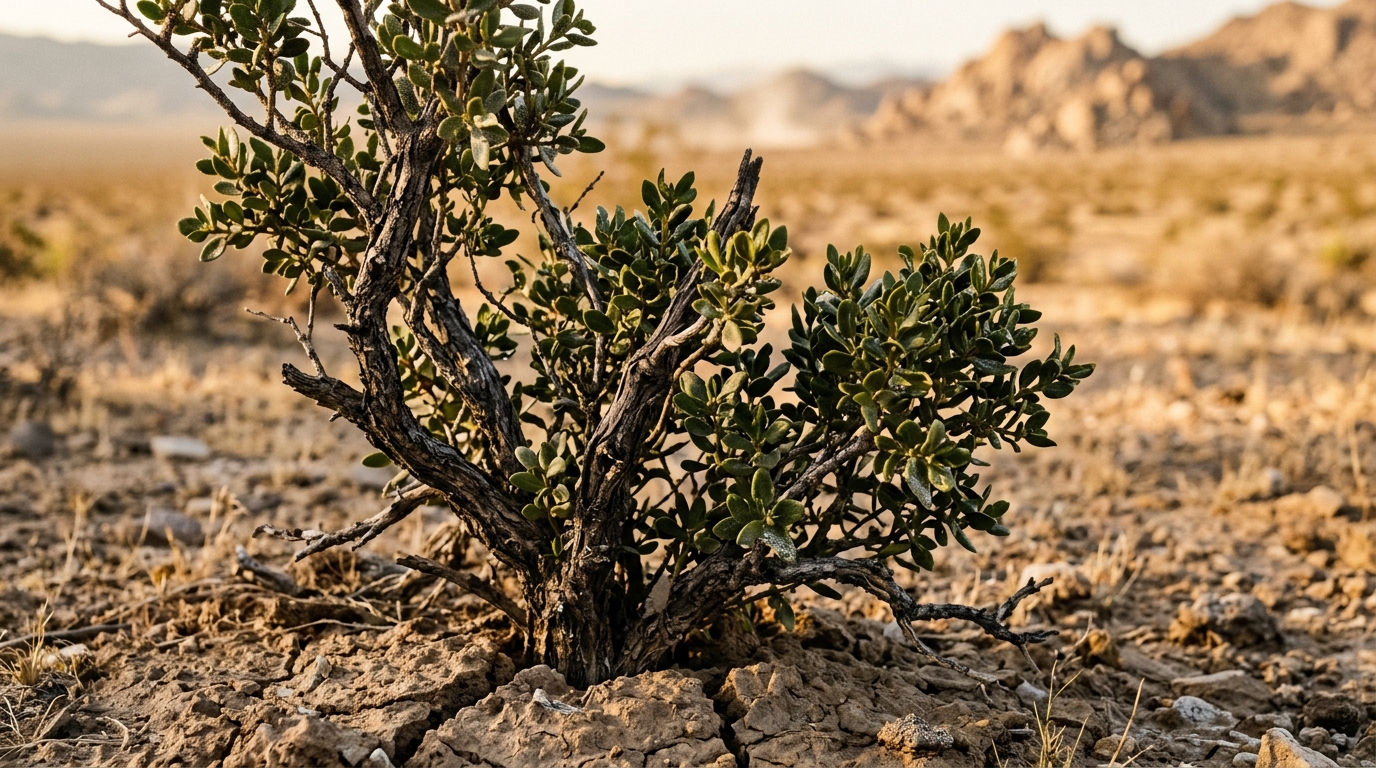
A recent review published in Botanical Studies synthesizes genomic, ecological, and biogeographical data to evaluate the adaptive mechanisms of Ammopiptanthus mongolicus, a drought-resistant evergreen shrub native to the arid regions of northwestern China. The study, led by Yong-Zhi Yang and colleagues, positions this broad-leaved evergreen species as a critical model for understanding how plants respond to extreme environmental conditions. By examining the genetic and ecological responses of this species, the research aims to clarify the mechanisms underlying its survival in desert environments, where low precipitation, high evaporation rates, and significant temperature fluctuations create severe stressors for plant life.
The geographic and climatic context of northwestern China has played a decisive role in shaping the distribution and genetic diversity of A. mongolicus. The review highlights that the uplift of the Qinghai-Tibet Plateau increased regional aridity by blocking moist air, a geological process that transformed former humid forests into the drought-resistant deserts seen today. Climatic fluctuations, particularly during the Quaternary period, have further influenced the species’ range and genetic structure.
Genomic studies referenced in the review have identified several specific genes and pathways associated with drought and cold adaptation in A. mongolicus. The research distinguishes between core populations, which inhabit more stable environments and exhibit high genetic diversity, and marginal populations, which endure more extreme conditions.
Marginal populations of A. mongolicus display strong local adaptations and distinct genetic traits that are not as prevalent in core populations. These peripheral groups are essential reservoirs of adaptive traits, providing the genetic resources necessary for coping with environmental stressors such as intense drought and cold temperatures. The review hypothesizes that the geographical distribution of core and peripheral populations may shift in response to future climate change. In this scenario, peripheral populations could potentially serve as sources of adaptive alleles, offering genetic material that may be critical for the species’ long-term survival under altered climatic conditions.
Despite their adaptive value, marginal populations face significant threats, including a higher risk of local extinction due to genetic load and habitat fragmentation. The interplay between genetic load and adaptive potential represents a key challenge for the conservation of desert plant populations in the face of intensifying climate change.
The conservation implications of these findings suggest that strategies should prioritize the protection of marginal populations to reduce genetic load and enhance resilience. By safeguarding these peripheral groups, conservation efforts can help preserve the genetic diversity required for the species to respond to future environmental stressors.
In conclusion, the synthesis of previous research on A. mongolicus reveals a complex picture of adaptation at the desert frontier. The species’ ability to survive in extreme conditions is underpinned by specific genetic pathways and the dynamic interplay between core and marginal populations. As climate change progresses, the role of these marginal populations in providing adaptive alleles may become increasingly important. The review calls for a renewed focus on the conservation of these genetically distinct groups to ensure the long-term resilience of desert plant populations in northwestern China.
Subject of Research: Genetic and ecological adaptation of Ammopiptanthus mongolicus in arid northwestern China
Article Title: Margins of adaptation at the desert frontier: genetic responses of Ammopiptanthus mongolicus in arid northwestern China
Article References: Yang, Y.-Z., Gao, D.-M., Sun, P.-W., Ke, C.-Y., Fong, Q., Luo, M.-X., Gao, R.-H., & Liao, P.-C. (2025). Margins of adaptation at the desert frontier: genetic responses of Ammopiptanthus mongolicus in arid northwestern China. Botanical Studies, 66(1), Article 31. https://doi.org/10.1186/s40529-025-00476-w
Image Credits: AI Generated
DOI: 10.1186/s40529-025-00476-w
Keywords: Ammopiptanthus mongolicus, desert adaptation, genomic studies, climate change, conservation biology, northwestern China, plant genetics, arid environments, Margins, adaptation, desert, frontier
News Source: Juliet Wilcox. (November 8, 2026). Desert Shrub Genetics Reveal Climate Adaptation Strategies. Scienmag.