A scientific review published in Cellular and Molecular Neurobiology demonstrates that neurovascular unit dysfunction acts as an active driver of ischemic stroke progression and neurological deterioration rather than occurring merely as a secondary consequence of acute ischemia.
According to the review, ischemic stroke represents a complex and devastating neurological condition defined by acute reductions in cerebral blood flow, extensive neuronal injury, and multifaceted vascular and inflammatory alterations. The authors emphasize that the underlying disease process extends far beyond isolated neuronal death, reflecting a systems-level failure across the entire neurovascular network.
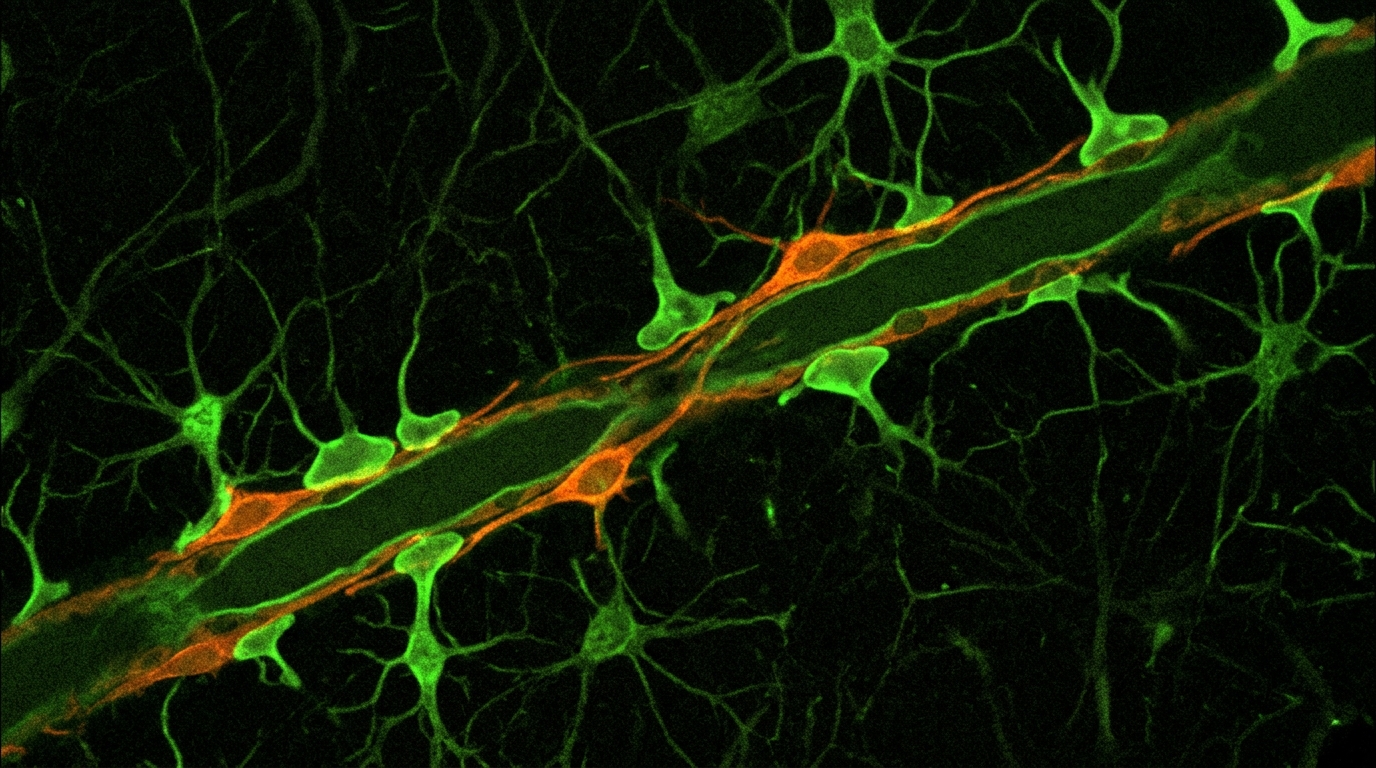
The neurovascular unit itself is detailed as a dynamic multicellular complex composed of endothelial cells, the basement membrane, pericytes, astrocytes, microglia, and neurons. Under normal physiological circumstances, this coordinated assembly carries out fundamental responsibilities in sustaining cerebral blood flow regulation and safeguarding the structural integrity of the blood–brain barrier.
When ischemia strikes, disruption of neurovascular unit homeostasis triggers microcirculatory impairment and rapid blood–brain barrier breakdown, aggravating ischemic outcomes. The review outlines how neurovascular deterioration is driven by multiple interrelated pathways, specifically ischemia-induced inflammatory cascades, oxidative stress, thrombo-inflammatory reactions, and matrix-remodeling processes. Furthermore, chronic comorbidities and systemic physiological factors increase the baseline vulnerability of the neurovascular unit to these destructive cascades.
Despite accumulating evidence of neurovascular involvement in stroke pathology, the authors note critical limitations in current scientific knowledge. The precise molecular mechanisms governing neurovascular impairment and their stage-specific contributions throughout the evolution of ischemic injury remain incompletely understood, presenting an ongoing challenge for experimental and clinical translation.
To address these pathological mechanisms, the review highlights emerging therapeutic interventions focused on neurovascular unit protection and structural restoration. The authors conclude that multi-target therapeutic strategies aimed at preserving neurovascular unit integrity represent a promising avenue to complement standard reperfusion therapies and improve overall stroke recovery outcomes.
Subject of Research: Mechanisms of neurovascular unit dysfunction and therapeutic strategies in ischemic stroke
Article Title: Neurovascular Unit Dysfunction in Ischemic Stroke: Cellular and Molecular Mechanisms and Therapeutic Implications
Article References: Zhang, Y., Luo, M., Wang, Z., Wang, Z., Xu, Y., Zhao, J., & Liu, Y. (2026). Neurovascular Unit Dysfunction in Ischemic Stroke: Cellular and Molecular Mechanisms and Therapeutic Implications. Cellular and Molecular Neurobiology. https://doi.org/10.1007/s10571-026-01817-4
Image Credits: AI Generated
DOI: 10.1007/s10571-026-01817-4
Keywords: ischemic stroke, neurovascular unit, blood-brain barrier, cerebral blood flow, thrombo-inflammation, reperfusion therapy, neuroprotection, stroke pathophysiology, Neurovascular, Unit, Dysfunction, Ischemic
News Source: Cassandra Pierce. (November 8, 2026). Neurovascular Unit Failure Actively Drives Ischemic Stroke Progression and Brain Damage. Scienmag.