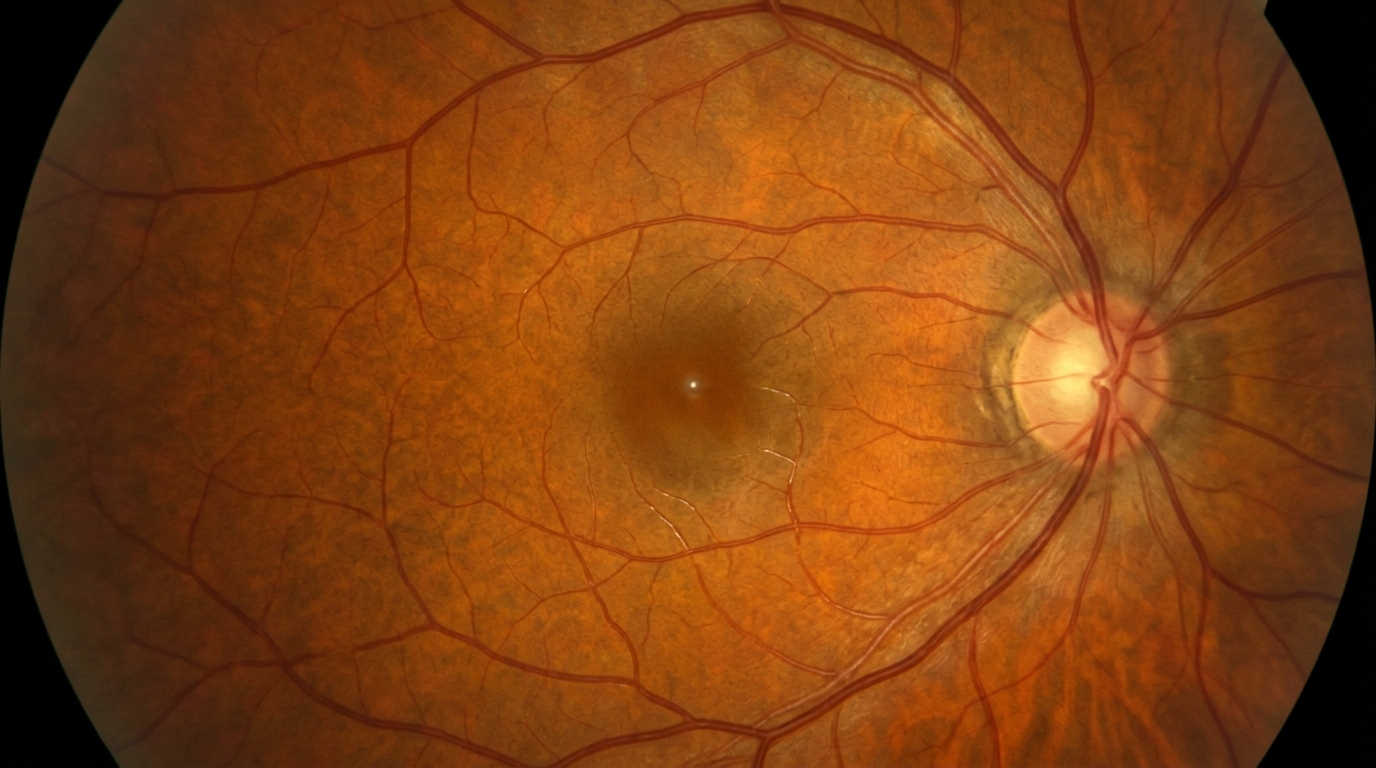
An integrated multi-omics Mendelian randomization framework has identified 22 plasma proteins associated with age-related macular degeneration, proposing a comprehensive panel of 22 potential therapeutic targets for the condition. From this broader group of identified proteins, the investigators prioritized four specific candidates, namely C3, CTRL, LCAT, and TNFRSF10A, as Tier 1 targets based on consistent statistical and genetic evidence. The study presented these four prioritized proteins as high-confidence candidate targets to guide further mechanistic and clinical investigation, establishing a prioritized set of therapeutic targets for age-related macular degeneration.
The investigation aimed to prioritize potential therapeutic candidates for age-related macular degeneration by examining the circulating plasma proteome through an integrated genetic approach. To identify disease-associated proteins across the plasma proteome, the authors performed two-sample Mendelian randomization utilizing 2,816 cis-protein quantitative trait loci, designated as cis-pQTLs, gathered from four separate proteome-wide association studies of human plasma. By leveraging these cis-pQTL genetic instruments within an integrated multi-omics framework, the investigators systematically evaluated the associations between circulating plasma protein levels and age-related macular degeneration, identifying 22 plasma proteins with significant associations.
Following the initial two-sample Mendelian randomization screening, the candidate proteins were subjected to an extensive multi-step validation pipeline to confirm the findings. To substantiate the results, this validation framework incorporated summary-based Mendelian randomization, known as SMR, along with genetic colocalization analysis to evaluate the consistency of the evidence. To further characterize and validate the candidate targets, the researchers conducted protein–protein interaction analysis, biological pathway enrichment analysis, retinal expression profiling, and formal druggability assessments, thoroughly examining both the biological roles and the therapeutic feasibility of the identified candidates.
The 22 identified proteins included an important combination of established disease targets and novel candidates for age-related macular degeneration. Previously known candidates identified by the screening framework included CFB, APOE, and C3. Alongside these recognized proteins, the analysis uncovered novel candidates, specifically CTRL, LCAT, and TNFRSF10A. Based on consistent evidence demonstrated across both Mendelian randomization and colocalization analyses, the researchers prioritized four of these targets, specifically C3, CTRL, LCAT, and TNFRSF10A, as Tier 1 candidates, distinguishing them as the four most strongly supported therapeutic candidates from the entire panel of 22 identified proteins.
Biological pathway enrichment analysis revealed that these prioritized targets were significantly enriched in three primary biological pathways: complement activation, coagulation, and lipid metabolism. These pathway enrichment results link the prioritized candidate proteins directly to specific biological systems involved in age-related macular degeneration. In conclusion, the study proposed 22 potential therapeutic targets for age-related macular degeneration, highlighting the Tier 1 candidates C3, CTRL, LCAT, and TNFRSF10A as high-confidence candidates that warrant priority in subsequent mechanistic and clinical investigation into potential treatments.
Subject of Research: Plasma protein therapeutic targets for age-related macular degeneration
Article Title: Plasma proteome-driven discovery of therapeutic targets for age-related macular degeneration: a multi-omics mendelian randomization framework
Article References: Xiang, Z., Huang, W., Zhao, X., Zhou, M., Huang, X., & Wang, S. (2026). Plasma proteome-driven discovery of therapeutic targets for age-related macular degeneration: a multi-omics mendelian randomization framework. Molecular Genetics and Genomics, 301(1), Article 220. https://doi.org/10.1007/s00438-026-02544-7
Image Credits: AI Generated
DOI: 10.1007/s00438-026-02544-7
Keywords: age-related macular degeneration, Mendelian randomization, plasma proteome, therapeutic targets, colocalization, cis-pQTLs, complement activation, lipid metabolism, Plasma, proteome-driven, discovery, therapeutic
News Source: Drew Townsend. (November 8, 2026). Mendelian Randomization Study Identifies Plasma Protein Targets for Macular Degeneration. Scienmag.