In a retrospective case-control study examining cardiovascular manifestations in adolescents with anorexia nervosa, researchers observed that pericardial effusion was common among patients and independently associated with lower serum calcium levels. However, because the absolute difference in calcium concentrations between groups was small, investigators concluded that serum calcium should be regarded as a potential marker rather than a direct cause or clinical predictor of fluid accumulation around the heart.
Pericardial effusion is frequently observed in individuals diagnosed with anorexia nervosa, an eating disorder that impacts cardiac function alongside nutritional status and body weight. While some adolescents with anorexia nervosa develop fluid around the heart, it is not clear why this happens.
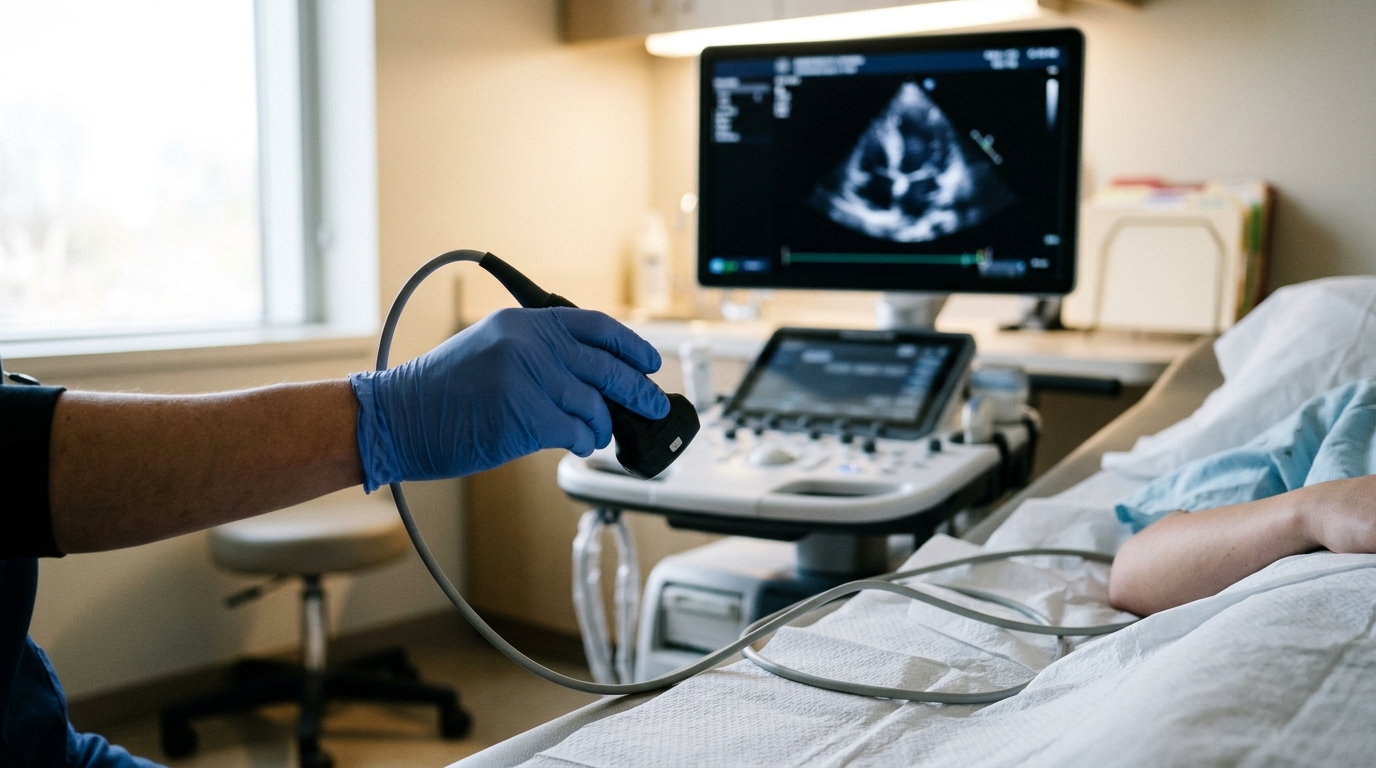
To investigate these cardiovascular changes, the study analyzed clinical and laboratory records from 29 adolescents with anorexia nervosa and compared them with 26 healthy control adolescents. Within the anorexia nervosa group, 14 patients presented with pericardial effusion, while the remaining 15 patients did not exhibit fluid accumulation. The research team evaluated cardiac ultrasound findings, electrocardiographic tracings, blood pressure readings, and comprehensive blood panels to distinguish physiological patterns across the cohorts.
When contrasted with healthy controls, adolescents with anorexia nervosa demonstrated multiple distinct cardiovascular and physiological differences. Patients with anorexia nervosa exhibited significantly lower systolic and diastolic blood pressure, reduced resting heart rates, and lower left ventricular mass and left ventricular mass index measurements. Echocardiographic evaluations revealed significantly reduced medial mitral annular e′ velocity as well as decreased mitral inflow E and A waves, alongside greater QRS axis deviation on electrocardiograms. Laboratory profiles further demonstrated significantly lower platelet counts, phosphorus levels, and triiodothyronine concentrations, contrasted by higher circulating cholesterol levels.
A targeted comparison within the anorexia nervosa cohort revealed further physiological divergences between patients with pericardial effusion and those without fluid accumulation. Adolescents who developed pericardial effusion presented with significantly lower serum calcium, phosphorus, and free thyroxine levels, along with significantly higher levels of thyroid-stimulating hormone and cholesterol, than affected peers without effusion.
To delineate statistical correlations, researchers conducted univariate analysis followed by binary logistic regression modeling. Univariate testing identified lower calcium, lower free thyroxine, lower phosphorus, a prolonged PR interval, and an elevated mitral E/A ratio as significant risk factors for fluid accumulation. In the multivariate regression model, lower serum calcium remained independently associated with pericardial effusion, although researchers emphasized that the minimal absolute numerical variation limits its utility to that of a potential marker rather than a predictive indicator.
Subject of Research: Pericardial effusion risk factors in adolescents with anorexia nervosa
Article Title: Risk factors and cardiovascular manifestations of pericardial effusion in adolescents with anorexia nervosa: a retrospective case-control study
Article References: Park, Y., Bae, E., Kil, H. R., & Kim, G. (2026). Risk factors and cardiovascular manifestations of pericardial effusion in adolescents with anorexia nervosa: a retrospective case-control study. Journal of Eating Disorders. https://doi.org/10.1186/s40337-026-01820-6
Image Credits: AI Generated
DOI: 10.1186/s40337-026-01820-6
Keywords: anorexia nervosa, pericardial effusion, adolescent health, echocardiography, calcium, cardiovascular manifestations, case-control study, Risk, factors, cardiovascular, manifestations, pericardial
News Source: Glenn Wilkins. (November 6, 2026). Study Evaluates Pericardial Effusion Risk Factors in Adolescents With Anorexia Nervosa. Scienmag.