

• HOME
  • NEWS
  • EXPLORE
    • CAREER
      • Companies
      • Jobs
    • EVENTS
    • iGEM
      • News
      • Team
    • PHOTOS
    • VIDEO
    • WIKI
  • BLOG
  • COMMUNITY
    • FACEBOOK
    • INSTAGRAM
    • TWITTER
Monday, November 2, 2026
BIOENGINEER.ORG
No Result
View All Result
  • Login
  • HOME
  • NEWS
  • EXPLORE
    • CAREER
      • Companies
      • Jobs
        • Lecturer
        • PhD Studentship
        • Postdoc
        • Research Assistant
    • EVENTS
    • iGEM
      • News
      • Team
    • PHOTOS
    • VIDEO
    • WIKI
  • BLOG
  • COMMUNITY
    • FACEBOOK
    • INSTAGRAM
    • TWITTER
No Result
View All Result
Bioengineer.org
No Result
View All Result
Home NEWS Science News Biology

LncRNA SBF2-AS1 Worsens Heart Injury After Attack via miR-149-5p/PHLPP2 Axis

by
October 29, 2026
in Biology
Reading Time: 2 mins read
0
LncRNA SBF2-AS1 Worsens Heart Injury After Attack via miR-149-5p/PHLPP2 Axis

LncRNA SBF2-AS1 Worsens Heart Injury After Attack via miR-149-5p/PHLPP2 Axis

Share on FacebookShare on TwitterShare on LinkedinShare on RedditShare on Telegram

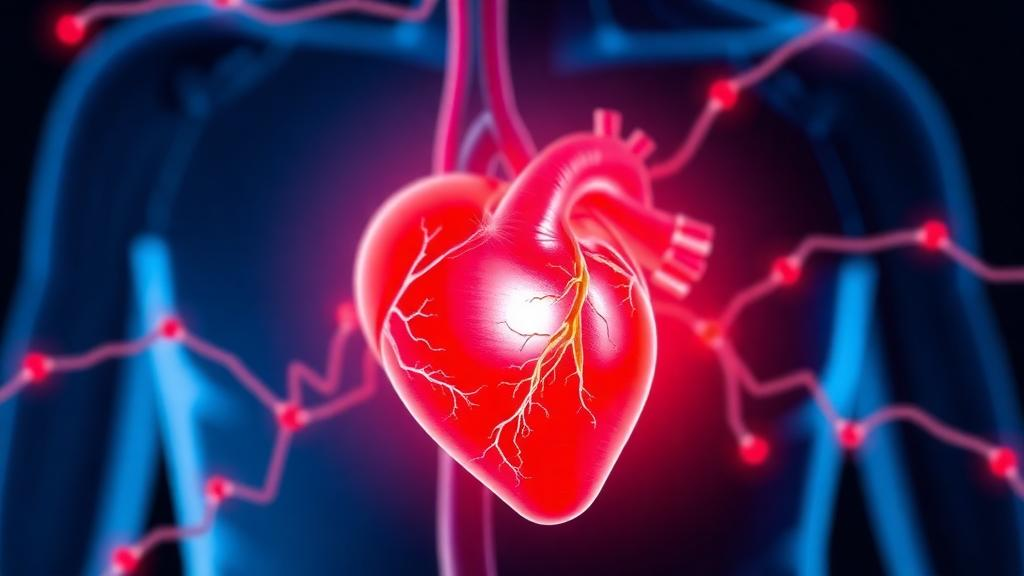
A newly published study reports that a long non-coding RNA called SBF2-AS1 amplifies the damage heart tissue suffers after an acute myocardial infarction, the event commonly known as a heart attack. Researchers found that SBF2-AS1 expression was elevated in the heart muscle of mice after induced infarction, and that silencing this RNA molecule reduced cardiomyocyte apoptosis, inflammation, and oxidative stress, the key processes that drive cardiac dysfunction after such an event.

The investigation, led by Hui Zhang, Yuyan Hou, and Zhifang Wang, was published in Cell Biology and Toxicology as an open-access article. The work focused on competing endogenous RNA mechanisms, a regulatory framework in which long non-coding RNAs act as molecular sponges that bind microRNAs, thereby preventing those microRNAs from interacting with their downstream gene targets.

To test the role of SBF2-AS1 in vivo, the team induced acute myocardial infarction in C57BL/6 mice through ligation of the left anterior descending coronary artery. They then knocked down SBF2-AS1 using lentiviral injection and collected myocardial tissue from the infarct border zone on day seven for apoptosis analysis and gene expression profiling. The results showed that reducing SBF2-AS1 levels suppressed injury markers, pro-inflammatory cytokines, and fibrosis-related genes in the damaged heart tissue.

Complementary experiments were performed in vitro using HL-1 cardiomyocytes exposed to hypoxia/reoxygenation conditions, a laboratory model that mimics the oxygen deprivation and restoration heart cells experience during and after an infarction. In these cells, SBF2-AS1 silencing improved cell viability and reduced apoptosis, while also decreasing inflammatory cytokine secretion and improving oxidative stress indicators.

The molecular pathway underlying these effects was mapped using dual-luciferase reporter assays, which confirmed direct binding between miR-149-5p and both SBF2-AS1 and PHLPP2.

Functional rescue experiments strengthened the evidence for this regulatory axis. When the researchers inhibited miR-149-5p, the protective effects of SBF2-AS1 knockdown were partially reversed. Conversely, silencing PHLPP2 alleviated the damage caused by miR-149-5p inhibition, confirming the causal chain linking the three molecules in a single pathway.

The study concludes that the SBF2-AS1/miR-149-5p/PHLPP2 axis promotes cardiomyocyte apoptosis, inflammation, and oxidative stress following acute myocardial infarction. The authors suggest that this competing endogenous RNA network may represent a novel therapeutic target for AMI, offering a potential direction for future interventions aimed at limiting myocardial injury after ischemic events.

Subject of Research: The role of the lncRNA SBF2-AS1/miR-149-5p/PHLPP2 axis in myocardial injury following acute myocardial infarction.

Article Title: LncRNA SBF2-AS1 exacerbates myocardial injury following acute myocardial infarction by miR-149-5p/PHLPP2

Article References: Zhang, H., Hou, Y., & Wang, Z. (2026). LncRNA SBF2-AS1 exacerbates myocardial injury following acute myocardial infarction by miR-149-5p/PHLPP2. Cell Biology and Toxicology. https://doi.org/10.1007/s10565-026-10282-0

Image Credits: AI Generated

DOI: 10.1007/s10565-026-10282-0

Keywords: SBF2-AS1, acute myocardial infarction, miR-149-5p, PHLPP2, cardiomyocyte apoptosis, ceRNA mechanism, oxidative stress, inflammation, hypoxia/reoxygenation, long non-coding RNA, heart injury, therapeutic target

News Source: Drew Townsend. (October 29, 2026). LncRNA SBF2-AS1 Worsens Heart Injury After Attack via miR-149-5p/PHLPP2 Axis. Scienmag.


Tags: Acute Myocardial Infarctioncardiomyocyte apoptosisceRNA mechanismheart injuryhypoxia-reoxygenationinflammationlong non-coding RNAmiR-149-5poxidative stressPHLPP2SBF2-AS1Therapeutic Target
Share12Tweet7Share2ShareShareShare1

Related Posts

Microbial Sources and Stress Shape the Hidden Endophytes of an Invasive Plant

Microbial Sources and Stress Shape the Hidden Endophytes of an Invasive Plant

October 30, 2026
Firebreaks Leave Lasting Scars in Grasslands While Wildfire Heals Fast

Firebreaks Leave Lasting Scars in Grasslands While Wildfire Heals Fast

October 30, 2026

Hidden Peptides in Non-Coding RNAs Reshape Cardiovascular Biology

October 30, 2026

Phage K Holin’s C-Terminal Region Shapes Antibacterial Activity, Study Finds

October 30, 2026

POPULAR NEWS

  • Microbial Sources and Stress Shape the Hidden Endophytes of an Invasive Plant

    Microbial Sources and Stress Shape the Hidden Endophytes of an Invasive Plant

    29 shares
    Share 12 Tweet 7
  • Firebreaks Leave Lasting Scars in Grasslands While Wildfire Heals Fast

    29 shares
    Share 12 Tweet 7
  • ZNF207 shields glutamine transporter ASCT2 from degradation to fuel liver cancer growth

    29 shares
    Share 12 Tweet 7
  • Systematic review maps sustainability tensions in offshore wind development

    29 shares
    Share 12 Tweet 7

About

We bring you the latest biotechnology news from best research centers and universities around the world. Check our website.

Follow us

Recent News

Microbial Sources and Stress Shape the Hidden Endophytes of an Invasive Plant

Firebreaks Leave Lasting Scars in Grasslands While Wildfire Heals Fast

ZNF207 shields glutamine transporter ASCT2 from degradation to fuel liver cancer growth

Subscribe to Blog via Email

Enter your email address to subscribe to this blog and receive notifications of new posts by email.

Join 86 other subscribers
  • Contact Us

Bioengineer.org © Copyright 2023 All Rights Reserved.

Welcome Back!

Login to your account below

Forgotten Password?

Retrieve your password

Please enter your username or email address to reset your password.

Log In
No Result
View All Result
  • Homepages
    • Home Page 1
    • Home Page 2
  • News
  • National
  • Business
  • Health
  • Lifestyle
  • Science

Bioengineer.org © Copyright 2023 All Rights Reserved.
