

• HOME
  • NEWS
  • EXPLORE
    • CAREER
      • Companies
      • Jobs
    • EVENTS
    • iGEM
      • News
      • Team
    • PHOTOS
    • VIDEO
    • WIKI
  • BLOG
  • COMMUNITY
    • FACEBOOK
    • INSTAGRAM
    • TWITTER
Friday, October 30, 2026
BIOENGINEER.ORG
No Result
View All Result
  • Login
  • HOME
  • NEWS
  • EXPLORE
    • CAREER
      • Companies
      • Jobs
        • Lecturer
        • PhD Studentship
        • Postdoc
        • Research Assistant
    • EVENTS
    • iGEM
      • News
      • Team
    • PHOTOS
    • VIDEO
    • WIKI
  • BLOG
  • COMMUNITY
    • FACEBOOK
    • INSTAGRAM
    • TWITTER
No Result
View All Result
Bioengineer.org
No Result
View All Result
Home NEWS Science News Health

ESM-1 shows non-linear link to cardiovascular risk in type 2 diabetes

by
October 29, 2026
in Health
Reading Time: 2 mins read
0
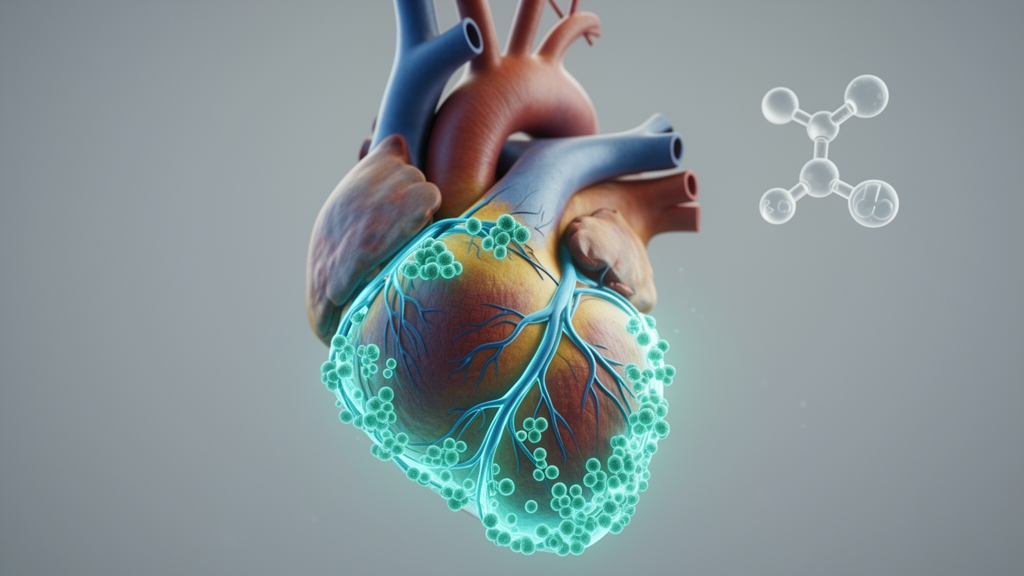
ESM-1 shows non-linear link to cardiovascular risk in type 2 diabetes

ESM-1 shows non-linear link to cardiovascular risk in type 2 diabetes

Share on FacebookShare on TwitterShare on LinkedinShare on RedditShare on Telegram

People living with type 2 diabetes face a heightened risk of atherosclerotic cardiovascular disease, and a new cross-sectional study set out to map how a trio of biomarkers relates to that risk. Researchers examined endothelial cell-specific molecule-1 (ESM-1), a marker of endothelial dysfunction, alongside the adipokines leptin and omentin-1, and the inflammatory marker hsCRP, together with conventional cardiometabolic parameters in patients with type 2 diabetes.

The headline result was twofold. Patients with type 2 diabetes had significantly higher levels of ESM-1 than controls (P = 0.011), and their ASCVD risk scores were also markedly higher (P < 0.001). This confirms, in a directly measured comparison, that the diabetic group carried a greater estimated burden of cardiovascular risk than their matched peers.

The most striking finding, however, was the shape of the relationship. Rather than a simple linear association, the link between ESM-1 and both cardiovascular risk measures was non-linear. Higher ESM-1 levels were observed in the high ASCVD risk score group and in the highest cIMT tertile, yet levels were lower in the moderate-risk groups than in the low-risk groups. The P values for trend were 0.010 for the ASCVD risk score and 0.006 for cIMT.

This non-linear pattern suggests that ESM-1 cannot be interpreted as a straightforward dose-response indicator of cardiovascular risk in type 2 diabetes. A moderate elevation of the endothelial marker did not correspond to intermediate risk in the way a linear model would predict. Instead, ESM-1 appeared elevated in the high ASCVD risk score group and in the highest cIMT tertile, while levels were lower in the moderate-risk groups than in the low-risk groups.

The adipokines told a different story.

The authors concluded that patients with type 2 diabetes exhibited increased cardiovascular risk, that the relationship between ESM-1 and the ASCVD risk score or cIMT was non-linear, and that ESM-1, leptin, and omentin-1 acted as constituents of a multimarker panel in factorial analysis across both groups. This clustering implies that these molecules travel together as part of a broader cardiometabolic signature rather than acting as isolated predictors.

Several caveats frame these findings. The article was also shared early as a peer-reviewed accepted version subject to further edits before the final version of record.

Even with those limitations, the work adds a nuanced data point to the search for biomarkers that refine cardiovascular risk assessment in diabetes.

Subject of Research: Cross-sectional study of ESM-1, leptin, and omentin-1 biomarkers in relation to cardiovascular risk in type 2 diabetes patients

Article Title: The relationship of endothelial cell-specific molecule-1, leptin, and omentin-1 with cardiovascular risk in patients with type 2 diabetes

Article References: Klisic, A., Pražnikar, Z. J., Kenig, S., Radinovic, D., Sahmanovic, A., Petrovic, N., Kotur-Stevuljevic, J., & Petelin, A. (2026). The relationship of endothelial cell-specific molecule-1, leptin, and omentin-1 with cardiovascular risk in patients with type 2 diabetes. Diabetology & Metabolic Syndrome. https://doi.org/10.1186/s13098-026-02322-w

Image Credits: AI Generated

DOI: 10.1186/s13098-026-02322-w

Keywords: type 2 diabetes, ESM-1, leptin, omentin-1, cardiovascular risk, ASCVD risk score, carotid intima-media thickness, endothelial dysfunction, adipokines, cross-sectional study, biomarkers, atherosclerosis

News Source: Ophelia Keating. (October 29, 2026). ESM-1 shows non-linear link to cardiovascular risk in type 2 diabetes. Scienmag.


Tags: adipokinesASCVD risk scoreAtherosclerosisbiomarkerscardiovascular riskcarotid intima-media thicknessCross-sectional StudyEndothelial dysfunctionESM-1leptinomentin-1Type 2 diabetes
Share12Tweet7Share2ShareShareShare1

Related Posts

ZNF207 shields glutamine transporter ASCT2 from degradation to fuel liver cancer growth

ZNF207 shields glutamine transporter ASCT2 from degradation to fuel liver cancer growth

October 30, 2026
Most Ethiopian HIV patients on dolutegravir therapy show good knowledge, survey finds

Most Ethiopian HIV patients on dolutegravir therapy show good knowledge, survey finds

October 30, 2026

Serum and urine protein biomarkers may sharpen prostate cancer detection beyond PSA

October 30, 2026

One gene locus flags atrial fibrillation risk after major surgery, UK Biobank study finds

October 30, 2026

POPULAR NEWS

  • Microbial Sources and Stress Shape the Hidden Endophytes of an Invasive Plant

    Microbial Sources and Stress Shape the Hidden Endophytes of an Invasive Plant

    29 shares
    Share 12 Tweet 7
  • Firebreaks Leave Lasting Scars in Grasslands While Wildfire Heals Fast

    29 shares
    Share 12 Tweet 7
  • ZNF207 shields glutamine transporter ASCT2 from degradation to fuel liver cancer growth

    29 shares
    Share 12 Tweet 7
  • Systematic review maps sustainability tensions in offshore wind development

    29 shares
    Share 12 Tweet 7

About

We bring you the latest biotechnology news from best research centers and universities around the world. Check our website.

Follow us

Recent News

Microbial Sources and Stress Shape the Hidden Endophytes of an Invasive Plant

Firebreaks Leave Lasting Scars in Grasslands While Wildfire Heals Fast

ZNF207 shields glutamine transporter ASCT2 from degradation to fuel liver cancer growth

Subscribe to Blog via Email

Enter your email address to subscribe to this blog and receive notifications of new posts by email.

Join 86 other subscribers
  • Contact Us

Bioengineer.org © Copyright 2023 All Rights Reserved.

Welcome Back!

Login to your account below

Forgotten Password?

Retrieve your password

Please enter your username or email address to reset your password.

Log In
No Result
View All Result
  • Homepages
    • Home Page 1
    • Home Page 2
  • News
  • National
  • Business
  • Health
  • Lifestyle
  • Science

Bioengineer.org © Copyright 2023 All Rights Reserved.
