• HOME
  • NEWS
  • EXPLORE
    • CAREER
      • Companies
      • Jobs
    • EVENTS
    • iGEM
      • News
      • Team
    • PHOTOS
    • VIDEO
    • WIKI
  • BLOG
  • COMMUNITY
    • FACEBOOK
    • INSTAGRAM
    • TWITTER
Wednesday, October 28, 2026
BIOENGINEER.ORG
No Result
View All Result
  • Login
  • HOME
  • NEWS
  • EXPLORE
    • CAREER
      • Companies
      • Jobs
        • Lecturer
        • PhD Studentship
        • Postdoc
        • Research Assistant
    • EVENTS
    • iGEM
      • News
      • Team
    • PHOTOS
    • VIDEO
    • WIKI
  • BLOG
  • COMMUNITY
    • FACEBOOK
    • INSTAGRAM
    • TWITTER
No Result
View All Result
Bioengineer.org
No Result
View All Result
Home NEWS Science News Health

Single-cell map reveals how EV-derived miRNAs shape the liver cancer microenvironment

by
October 28, 2026
in Health
Reading Time: 2 mins read
0
Single-cell map reveals how EV-derived miRNAs shape the liver cancer microenvironment

Single-cell map reveals how EV-derived miRNAs shape the liver cancer microenvironment

Share on FacebookShare on TwitterShare on LinkedinShare on RedditShare on Telegram

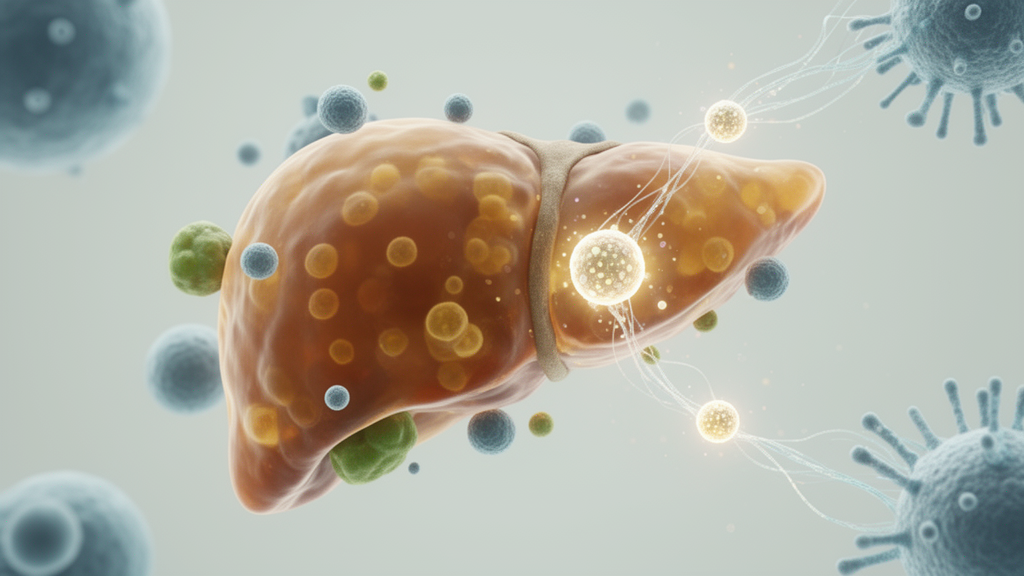
The study, published in Clinical and Experimental Medicine, merges four individual single-cell RNA sequencing datasets and analyzes them with a tool called miRTalk to trace miRNA-target interactions between cell populations within the tumor microenvironment.

The analysis identified 208 miRNA-target gene pairs significantly associated with patient prognosis. Of these, 51 pairs were classified as tumor-suppressive, while 157 were identified as tumor-progressive. The prognostic evaluation drew on bulk transcriptomic data from the TCGA-LIHC cohort, with survival and Cox proportional hazards analysis used to link the predicted miRNA-target interactions to clinical outcomes.

Among the specific regulatory relationships uncovered, hsa-miR-1539 was predicted to be transferred from T or NK cells and to regulate the gene ETV5 in epithelial cells.

The study’s central nomination is hsa-miR-3180-5p, a microRNA that epithelial cells package into extracellular vesicles. According to the analysis, this miRNA plays a key role in regulating tumor-related genes including AGO3 and FSCN1 in fibroblasts and endothelial cells, respectively. It was also found to regulate a broader set of genes—ALG8, ARL5B, EIF6, FADS1, KIF5B, MOB3A, MTRF1L, PTPRF, and RPF2—together forming a pro-tumor gene network. On this basis, the authors position hsa-miR-3180-5p as a potential central regulator of oncogenic networks within the HCC microenvironment.

In the tumor microenvironment, this form of intercellular communication is thought to influence how cancer cells, immune cells, fibroblasts and endothelial cells interact. The authors note that despite growing interest, the mechanisms of intercellular communication in HCC mediated by EV-derived miRNA have remained poorly understood, which motivated the systematic, dataset-driven approach taken here.

The work is explicitly framed as a mapping and hypothesis-generating effort rather than a demonstration of therapeutic efficacy. Signaling pathway predictions were computational, and the prognostic associations were derived from retrospective analysis of existing transcriptomic cohorts. The authors state that the findings offer new insights into HCC progression and potential therapeutic targets, and that they provide a foundation for future research into EV-based interventions in HCC management—directions that would require dedicated experimental and clinical validation before any application in patient care.

Subject of Research: Extracellular vesicle-derived microRNA regulatory networks in the hepatocellular carcinoma tumor microenvironment

Article Title: Evaluating the regulatory network of EV-derived miRNA in the microenvironment of hepatocellular carcinoma

Article References: Chan, C. L., & Sun, H. (2026). Evaluating the regulatory network of EV-derived miRNA in the microenvironment of hepatocellular carcinoma. Clinical and Experimental Medicine. https://doi.org/10.1007/s10238-026-02277-2

Image Credits: AI Generated

DOI: 10.1007/s10238-026-02277-2

Keywords: hepatocellular carcinoma, extracellular vesicles, microRNA, tumor microenvironment, single-cell RNA sequencing, miRTalk, TCGA-LIHC, miRNA-target interactions, hsa-miR-3180-5p, prognosis, bioinformatics, Evaluating

News Source: Nathaniel Bowman. (October 28, 2026). Single-cell map reveals how EV-derived miRNAs shape the liver cancer microenvironment. Scienmag.


Tags: BioinformaticsEvaluatingextracellular vesiclesHepatocellular Carcinomahsa-miR-3180-5pmicroRNAmiRNA-target interactionsmiRTalkprognosissingle-cell RNA sequencingTCGA-LIHCtumor microenvironment
Share12Tweet7Share2ShareShareShare1

Related Posts

More Danes in their 50s and 60s are caring for ageing parents, study finds

More Danes in their 50s and 60s are caring for ageing parents, study finds

October 28, 2026
Theranostics expands from radiolabelled peptides to multiscale cancer care

Theranostics expands from radiolabelled peptides to multiscale cancer care

October 28, 2026

Two glaucoma stents show modest two-year results in highly myopic eyes

October 28, 2026

Arab migrant physicians in Germany face lengthy licensure and workplace barriers

October 28, 2026

POPULAR NEWS

  • How an industrial apparel brand stitches narrative into fabric, thread and label

    How an industrial apparel brand stitches narrative into fabric, thread and label

    29 shares
    Share 12 Tweet 7
  • New Open-Access Journal Biomedical Materials Science Launches to Link Materials Innovation with Patient Care

    29 shares
    Share 12 Tweet 7
  • Berberine Eases Diabetic Kidney Damage by Tuning a Renal Sugar-Transport Switch

    29 shares
    Share 12 Tweet 7
  • Palmitoylation Enzyme ZDHHC5 Emerges as Driver of Neutrophil Inflammation in COPD

    29 shares
    Share 12 Tweet 7

About

We bring you the latest biotechnology news from best research centers and universities around the world. Check our website.

Follow us

Recent News

Normalization Stabilizes Shallow Graph Networks but Cannot Stop Deep Oversmoothing

More Danes in their 50s and 60s are caring for ageing parents, study finds

H&E Slide Spatial Features Explain Gene Expression Beyond Cell-Type Mix

Subscribe to Blog via Email

Enter your email address to subscribe to this blog and receive notifications of new posts by email.

Join 85 other subscribers
  • Contact Us

Bioengineer.org © Copyright 2023 All Rights Reserved.

Welcome Back!

Login to your account below

Forgotten Password?

Retrieve your password

Please enter your username or email address to reset your password.

Log In
No Result
View All Result
  • Homepages
    • Home Page 1
    • Home Page 2
  • News
  • National
  • Business
  • Health
  • Lifestyle
  • Science

Bioengineer.org © Copyright 2023 All Rights Reserved.