• HOME
  • NEWS
  • EXPLORE
    • CAREER
      • Companies
      • Jobs
    • EVENTS
    • iGEM
      • News
      • Team
    • PHOTOS
    • VIDEO
    • WIKI
  • BLOG
  • COMMUNITY
    • FACEBOOK
    • INSTAGRAM
    • TWITTER
Tuesday, July 14, 2026
BIOENGINEER.ORG
No Result
View All Result
  • Login
  • HOME
  • NEWS
  • EXPLORE
    • CAREER
      • Companies
      • Jobs
        • Lecturer
        • PhD Studentship
        • Postdoc
        • Research Assistant
    • EVENTS
    • iGEM
      • News
      • Team
    • PHOTOS
    • VIDEO
    • WIKI
  • BLOG
  • COMMUNITY
    • FACEBOOK
    • INSTAGRAM
    • TWITTER
  • HOME
  • NEWS
  • EXPLORE
    • CAREER
      • Companies
      • Jobs
        • Lecturer
        • PhD Studentship
        • Postdoc
        • Research Assistant
    • EVENTS
    • iGEM
      • News
      • Team
    • PHOTOS
    • VIDEO
    • WIKI
  • BLOG
  • COMMUNITY
    • FACEBOOK
    • INSTAGRAM
    • TWITTER
No Result
View All Result
Bioengineer.org
No Result
View All Result
Home NEWS Science News Biology

New regulator of liver metabolism discovered

Bioengineer by Bioengineer
September 29, 2017
in Biology
Reading Time: 2 mins read
0
Share on FacebookShare on TwitterShare on LinkedinShare on RedditShare on Telegram
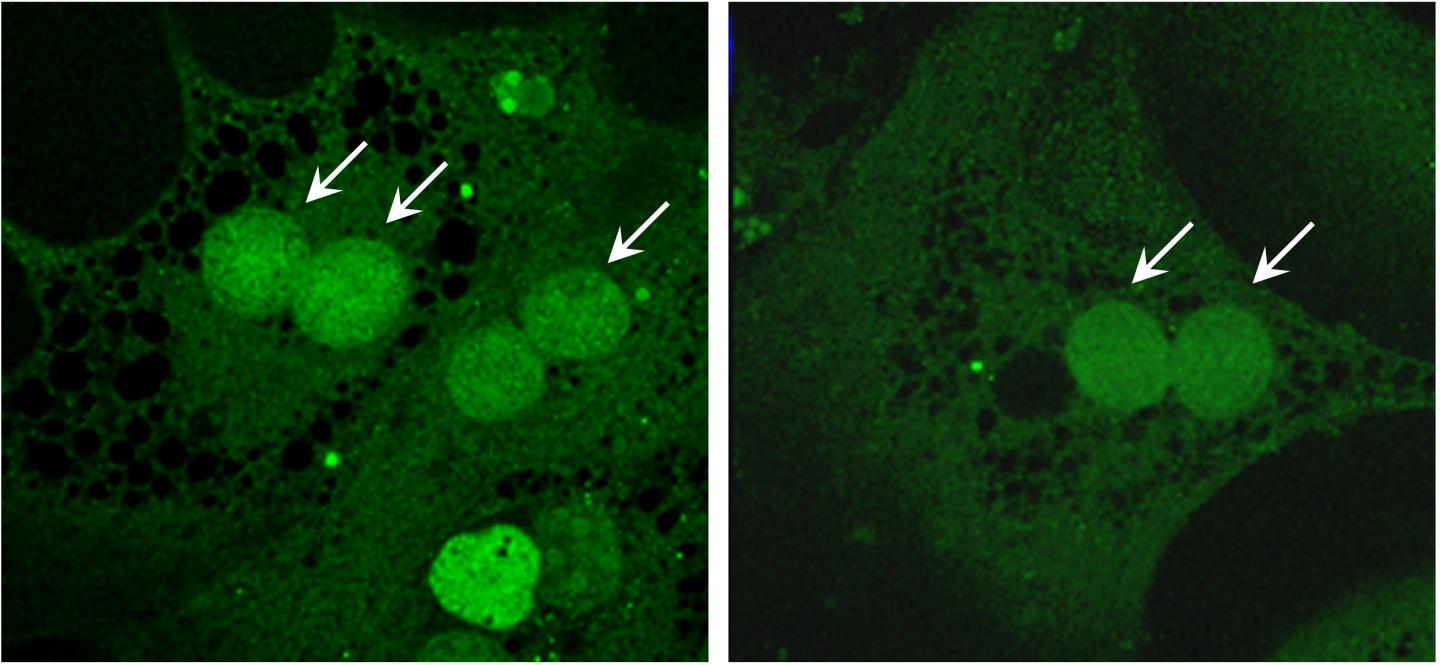
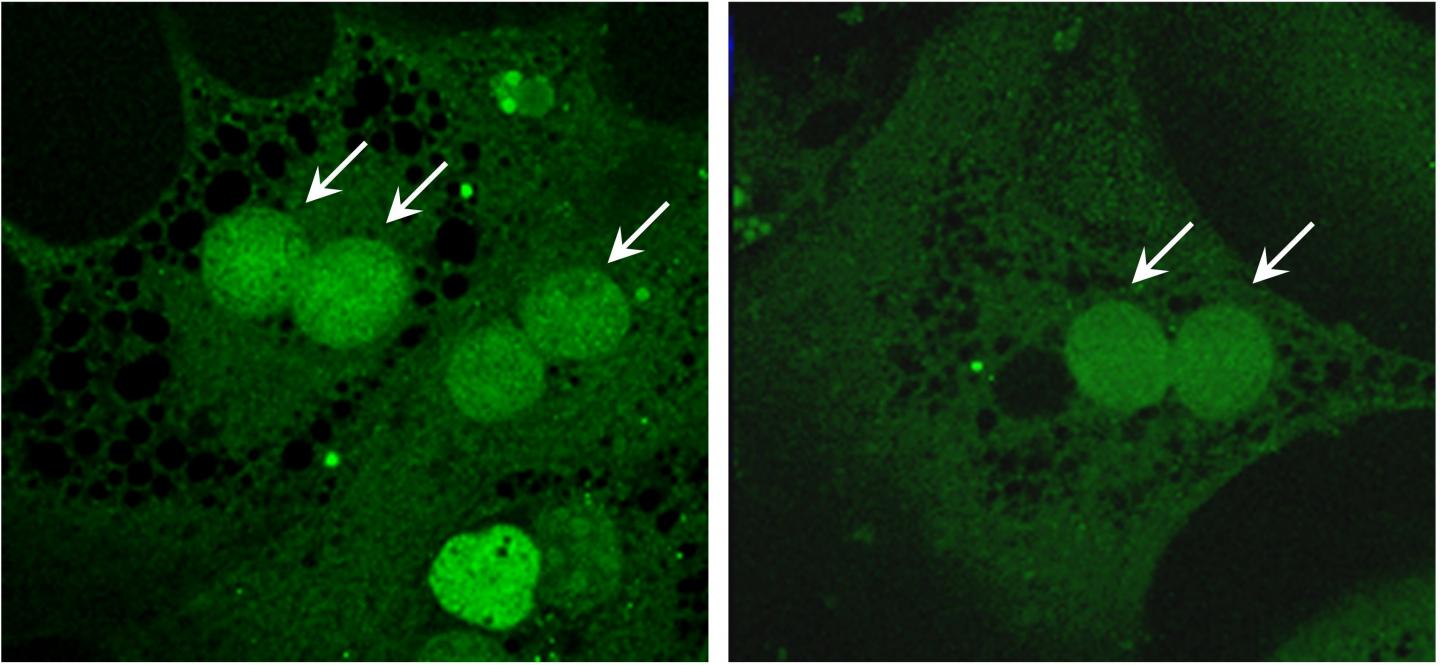
IMAGE

Credit: M.Schupp

All cells can adapt their metabolic activity with respect to the availability of various sources of energy, such as glucose. This vital ability makes cells more efficient at absorbing and utilizing these substances, in addition to protecting them against the negative effects of overload. However, exposure to chronically-high glucose levels can result in an adaptive response which is damaging to cells and promoting diseases.

Led by Prof. Dr. Michael Schupp, head of the Molecular Pharmacology and Metabolism Working Group at Charité's Institute of Pharmacology, the researchers showed that the enzyme retinol saturase plays a role in the adaptive processes found in liver cells. By studying levels of the enzyme in both slim and obese participants, the researchers found that levels increase in line with body weight. They also analyzed the cells' metabolic pathways and their metabolic adaptation to glucose levels after reducing the enzyme's abundance. The negative metabolic effects associated with excess exposure to glucose were significantly less pronounced in cells that had been modified in this way.

Discussing the results of the study, Prof. Schupp concludes: "The inactivation of retinol saturase activity may offer a new approach to the treatment of metabolic liver disease and its associated problems, such as fatty liver disease and dyslipidemia." As a next step, the researchers are planning to identify the mechanisms involved, and to test whether other cell types also need the enzyme to adapt to changing glucose levels.

###

Media Contact

Michael Schupp
[email protected]
49-304-505-78724

http://www.charite.de

Related Journal Article

http://dx.doi.org/10.1038/s41467-017-00430-w

Share14Tweet8Share2ShareShareShare2

Related Posts

Enhancing bacteria to accelerate environmental cleanup processes

Enhancing bacteria to accelerate environmental cleanup processes

July 14, 2026
New Insights into Immune Checkpoints’ Role in Controlling Inflammation

New Insights into Immune Checkpoints’ Role in Controlling Inflammation

July 14, 2026

UMA Scientists Enhance Morphine’s Pain-Relief Effectiveness

July 14, 2026

Adolescent Brain Responses to Faces Could Forecast Social Development

July 13, 2026
Please login to join discussion

POPULAR NEWS

  • New Drug Candidate Developed at McMaster Shows Potential for Treating Brain Cancer

    58 shares
    Share 23 Tweet 15
  • Detection of EDCs in Breast Milk and Infant Urine Up to Six Months Highlights Early Exposure Risks

    77 shares
    Share 31 Tweet 19
  • Experimental Therapy Simultaneously Destroys Prostate Tumor Cells and Reactivates Antitumor Immunity

    46 shares
    Share 18 Tweet 12
  • 高齢者の骨粗鬆症治療の持続性比較

    51 shares
    Share 20 Tweet 13

About

We bring you the latest biotechnology news from best research centers and universities around the world. Check our website.

Follow us

Recent News

China’s water quality improvements impact agricultural productivity negatively

Vacuum-Deposited Perovskite Solar Cells Enhanced by Controlled Crystallization

Oxytocin Triggers Socially Induced Cataplexy Episodes

Subscribe to Blog via Email

Enter your email address to subscribe to this blog and receive notifications of new posts by email.

Join 85 other subscribers
  • Contact Us

Bioengineer.org © Copyright 2023 All Rights Reserved.

Welcome Back!

Login to your account below

Forgotten Password?

Retrieve your password

Please enter your username or email address to reset your password.

Log In
No Result
View All Result
  • Homepages
    • Home Page 1
    • Home Page 2
  • News
  • National
  • Business
  • Health
  • Lifestyle
  • Science

Bioengineer.org © Copyright 2023 All Rights Reserved.