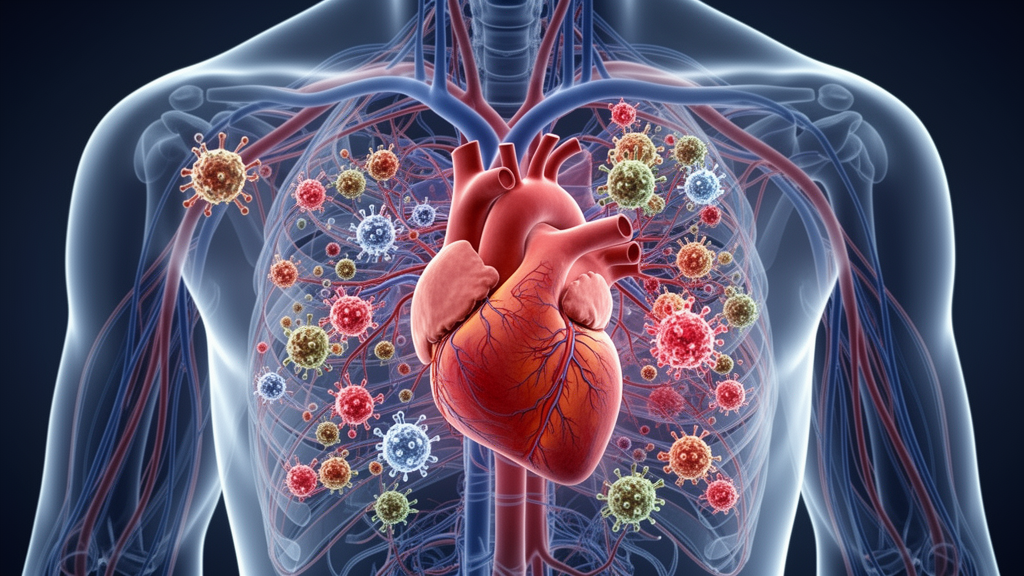
When a transplanted heart fails within hours of surgery, the blame usually falls on the organ itself: a long flight, a long ischemic time, an older donor. A new review argues that this framing misses half the story. Primary graft dysfunction (PGD), the leading cause of early mortality after heart transplantation, is increasingly shaped by the recipient who receives the heart, not only the heart that is given. The review, published in Frontiers in Cardiovascular Medicine, systematically maps how the recipient’s hemodynamics, medications, organ function and surgical history create a biological environment that a freshly reperfused donor heart must survive.
The scale of the problem is substantial. In an analysis of 2,746 patients from the International Consortium on PGD spanning ten centers in the United States, Canada and Europe, severe PGD occurred in 7.8 percent of recipients, and one-year survival was 75.7 percent among those who developed it versus 94.4 percent among those who did not. A contemporary analysis of the United Network for Organ Sharing database reported severe PGD in 6.6 percent of 5,097 patients, with three-month survival of 74.4 percent versus 96.8 percent. Crucially, the authors note that the overall incidence of severe PGD has significantly increased across international and national registries, even as surgical techniques and donor preservation strategies improve, because the recipient pool now includes more high-risk, frail and comorbid patients.
The review’s most striking quantitative argument comes from risk matching. In an International Society for Heart and Lung Transplantation registry study from 2000 to 2018, donor risk was quantified with the Donor Utilization Score and recipient risk with the IMPACT score, which comprises twelve recipient variables. Among North American recipients, one-year graft failure was highest when high-risk recipients received high-risk donors, at 13.1 percent, and lowest among low-risk recipients with low-risk donors, at 7.4 percent. But the asymmetry is what matters: pairing high-risk recipients with low-risk donors produced a graft failure rate of 11.4 percent, while low-risk recipients with high-risk donors fared better at 9.0 percent. Irrespective of donor risk, a high-risk recipient added nearly four percentage points to one-year graft failure, whereas a high-risk donor added fewer than two. Recipient risk, the authors conclude, is the dominant driving force.
Among the recipient exposures, durable left ventricular assist device (LVAD) support emerges as one of the most consistently reported independent predictors. In a multicenter analysis of 4,125 heart transplant recipients from the International Consortium on PGD, severe PGD occurred in 12.7 percent of LVAD-supported patients versus 7.4 percent of those without. A single-center cohort of 480 recipients found that 80 percent of severe PGD patients had been bridged with a continuous-flow LVAD, and duration matters too: more than one year of LVAD support was associated with severe PGD with an odds ratio of 2.48. The proposed mechanisms are threefold. Right ventricular dysfunction and right-heart failure after LVAD implantation appear central; in one analysis of 263 bridged patients, those with severe PGD showed higher central venous pressure to pulmonary capillary wedge pressure ratios, interpreted as suggestive of RV dysfunction, and post-LVAD right-heart failure was independently associated with a nearly four-fold increased risk of PGD. LVADs also provoke immune activation: in a cohort of 132 continuous-flow LVAD patients, 23 percent developed new allosensitization, and in 206 transplant recipients, pre-transplant IgG natural antibody reactivity to apoptotic cells was associated with PGD development. Finally, chronic non-pulsatile flow induces arterial remodeling, with one study documenting a marked increase in aortic vascular stiffness from pre-implant to post-transplant in bridged patients.
Temporary mechanical circulatory support tells a less uniform story. Pre-transplant extracorporeal membrane oxygenation (ECMO) was an independent predictor of severe PGD in one analysis, with an adjusted odds ratio of 2.55, whereas pre-transplant intra-aortic balloon pumps (IABP) and temporary ventricular assist devices were not significant in that study. Yet a single-center analysis of 508 recipients found pre-transplant IABP independently associated with moderate or severe PGD, with an odds ratio of 9.58. The authors caution that these findings use differing endpoints and should be compared carefully. The likely explanation, they argue, is that recipients on temporary support are among the most critically ill, in cardiogenic shock with systemic inflammation, high metabolic demands and multiorgan hypoperfusion, so the elevated PGD rates may reflect the patients rather than the devices. Preoperative mechanical ventilation follows the same pattern: associated with moderate to severe PGD in univariable analysis but not retained after adjustment, suggesting it is a marker of decompensation rather than an independent cause.
Preoperative medications add another layer. Amiodarone, a lipophilic class III antiarrhythmic with a half-life of roughly 40 to 60 days, has been shown to persist at high concentrations after transplant and may infiltrate the donor heart tissue, where its negative chronotropic and inotropic effects could impair contractility. A 2026 meta-analysis identified recipient amiodarone therapy as the strongest severe PGD predictor, with an odds ratio of 4.38, and a dose-response analysis found risk rising with both the transplant-day dose and six-month cumulative dose. Notably, one single-center cohort of 183 patients found no association, and the evidence remains conflicted. The most provocative finding concerns drug combinations: in one analysis, amiodarone alone was not associated with severe PGD, beta-blocker alone was, but the combination of amiodarone and beta-blocker carried an odds ratio of 12.14 for severe PGD, retained after multivariable modelling. The authors speculate that this therapy exacerbates the beta-adrenergic receptor dysfunction already established in brain-dead donors, though this synergy mechanism remains unproven.
End-organ dysfunction also matters. Renal dysfunction is a consistently reported risk factor: renal replacement therapy at the time of transplant predicted severe PGD with an odds ratio of 2.41 in the 2,746-patient consortium cohort, and a dose-dependent relationship was reported, with an odds ratio of 3.68 per 1 mg/dL increase in creatinine. The mechanism is best understood as cardiorenal: pre-transplant renal dysfunction may partly reflect right ventricular dysfunction and venous congestion, where elevated right-sided pressures retrogradely impair the renal perfusion gradient, alongside inflammatory and oxidative stress pathways consistent with type III cardiorenal syndrome. Hepatic dysfunction, by contrast, remains unconfirmed: elevated bilirubin was associated with PGD in unadjusted modelling of a single-center cohort but was not significant after multivariable adjustment, and large multicenter cohorts found the association null.
Surgical history contributes through operative burden. Prior sternotomy was an independent predictor of severe PGD in the largest recent UNOS cohort, with an adjusted odds ratio of 1.83, and a meta-analysis found non-LVAD sternotomy independently associated as well. Reoperative sternotomy involves adhesions to vital cardiac structures, longer cardiopulmonary bypass and ischemic times, more bleeding and more transfusions, each of which is itself a known PGD predictor. In a single-center cohort of 734 recipients, every blood product was associated with severe PGD risk: packed red blood cells, platelets, plasma and cryoprecipitate each carried elevated odds. Prolonged bypass time, with an adjusted odds ratio of 1.75 per 60-minute increase in one European cohort, exposes the recipient’s blood to the synthetic circuit, triggering cytokine release, oxygen-free radical formation and coagulation dysfunction. But the authors flag a critical caveat: bypass time may be a consequence of PGD rather than a predictor, and directionality cannot be established from observational data.
Beneath the clinical risk factors lies a biological substrate the review frames as the second hit. Pre-transplant recipients carry a primed innate immune system. In a cohort of 219 recipients, the protein CLEC4C, a surface marker of plasmacytoid dendritic cells, was associated with PGD and outperformed the established RADIAL score in a single-center validation set. The proposed model is that mitochondrial DNA released during ischemia and reperfusion activates these dendritic cells, driving interferon and inflammatory-mediated cardiotoxicity. Separately, decreased plasma kallikrein levels were the most predictive proteomic factor for PGD in 88 pre-transplant serum samples, pointing to activation of the kallikrein-kinin inflammatory system. Recipient oxygen extraction ratio burden during bypass also matters: among 373 recipients, prolonged ischemia combined with high oxygen extraction burden produced severe PGD in 14.6 percent of patients, versus roughly 3.5 percent in the other groups, suggesting a modifiable, immediately measurable intraoperative target.
The review’s honest conclusion is that none of this proves causation. No interventional study has yet examined whether modifying recipient risk factors reduces PGD rates, and all existing evidence derives from observational studies implying association. The authors call for translational and interventional work to establish the mechanism of action for each recipient risk factor, and for studies of frailty as the transplant population continues to deteriorate. Until then, the identified risk factors, durable LVAD support, pre-transplant ECMO, amiodarone exposure, renal dysfunction and prior sternotomy, should guide recipient optimization, because in the contest between donor heart and recipient biology, it is increasingly the recipient that determines whether the graft survives its first day.
Subject of Research: Recipient risk factors contributing to primary graft dysfunction after heart transplantation
Article Title: Recipient contributions to primary graft dysfunction in heart transplantation
Article References: El-Hamad, A., Dhingra, N. K., & Rao, V. (2026). Recipient contributions to primary graft dysfunction in heart transplantation. Frontiers in Cardiovascular Medicine, 13, 1984203. https://doi.org/10.3389/fcvm.2026.1984203
Image Credits: AI Generated
DOI: 10.3389/fcvm.2026.1984203
Keywords: heart transplantation, primary graft dysfunction, LVAD, ECMO, amiodarone, renal dysfunction, prior sternotomy, ischemia-reperfusion injury, mechanical circulatory support, inflammation, cardiopulmonary bypass, recipient risk
News Source: Ophelia Keating. (October 27, 2026). Why the transplant recipient, not just the donor heart, drives early graft failure. Scienmag.