Heat stroke, a life-threatening condition, has long been associated with neurological injury, though often the manifestations are recognized only after the patient recovers from systemic organ failure. While cerebellar involvement, reflecting the selective vulnerability of Purkinje cells to hyperthermia, remains the most commonly recognized neuroimaging pattern of heat stroke, a rare but distinctive manifestation involves bilateral globus pallidus injury, which may be significantly under-recognized in clinical practice. This condition presents with hyperkinetic movement disorders, such as chorea, dystonia, or a mixed choreodystonic phenotype, stemming from heat-induced brain injury.
The globus pallidus (GP) is a critical structure within the basal ganglia, and its selective vulnerability to hyperthermic insult is likely due to its exceptionally high metabolic demand and its susceptibility to various pathological processes, including mitochondrial dysfunction, excitotoxicity, and microvascular injury. Functionally, the internal globus pallidus plays a vital role in tonically inhibiting thalamocortical motor circuits. When this structure suffers injury, the resulting disruption in its inhibitory function can lead to motor disinhibition. This disinhibition manifests clinically as hyperkinetic movement disorders, providing a specific neurological signature for a subset of heat stroke cases.
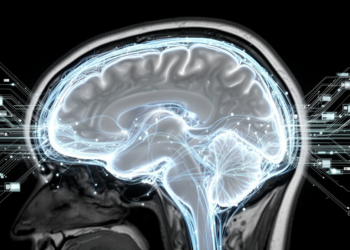
The detection of this rare pathology relies heavily on advanced neuroimaging techniques. In cases where bilateral pallidal hyperintensity is observed, specific MRI sequences provide crucial diagnostic evidence. Axial FLAIR images can demonstrate bilateral hyperintensity within the globus pallidus. Furthermore, diffusion-weighted imaging (DWI) often shows bilateral hyperintensity, and the Apparent Diffusion Coefficient (ADC) map confirms the presence of diffusion restriction, which are key indicators of acute tissue injury in the basal ganglia.
Clinically, the presence of neurological abnormalities or movement disorders following heat stroke necessitates brain magnetic resonance imaging (MRI). These findings should not be attributed solely to delirium or intensive care unit-acquired weakness. The recognition of bilateral globus pallidus lesions broadens the neuroradiological spectrum of heat-stroke brain injury and is particularly important in patients presenting with hyperkinetic movement disorders. This recognition can facilitate an accurate diagnosis and help avoid unnecessary investigations into alternative causes of movement disorders.
While the globus pallidus injury provides a specific mechanistic link between hyperthermia and motor dysfunction, it is important to note the scope and limitations of this finding. In specific clinical scenarios, such as those involving persistent disorder of consciousness, the pallidal lesions alone may not account for the entire clinical picture. Delayed awakening in patients with heat stroke can be multifactorial, often occurring in the context of concurrent acute kidney and liver injury, exposure to sedatives and other drugs, and a probable toxic-metabolic encephalopathy, as supported by electroencephalogram findings.
The pathophysiological mechanism suggests that the injury to the GP, due to its metabolic demands and susceptibility to oxidative stress and excitotoxicity, leads to a failure of its tonic inhibitory control over motor pathways. This failure results in the motor disinhibition that presents as chorea or dystonia. This mechanism contrasts with the more common patterns of heat stroke injury, which often target the cerebellum, highlighting the distinct vulnerability of the basal ganglia to severe hyperthermia.
The identification of this unusual MRI pattern serves as a critical piece of knowledge for clinicians and neuroradiologists alike. By understanding that bilateral globus pallidus lesions represent a characteristic, albeit uncommon, manifestation of heat-induced brain injury, medical professionals can better stratify the neurological complications of heat stroke. This knowledge allows for a more nuanced interpretation of movement disorders observed in critically ill patients who have experienced severe hyperthermia.
In summary, the presentation of choreiform dyskinesias in the setting of heat stroke, when correlated with specific MRI findings of bilateral globus pallidus hyperintensity and diffusion restriction, points toward a rare but distinct pattern of heat-induced neurological damage. Recognizing this pattern is vital for expanding the diagnostic framework for heat stroke complications and ensuring that complex movement disorders are appropriately investigated as potential manifestations of severe systemic hyperthermia.
Subject of Research: The rare manifestation of bilateral globus pallidus injury and subsequent choreiform dyskinesias following heat stroke.
Article Title: Heat stroke presenting with choreiform dyskinesias: an unusual MRI pattern
Article References: Chougar, L., Barhoum, P., Delorme, C., & Marois, C. (2026). Heat stroke presenting with choreiform dyskinesias: an unusual MRI pattern. Intensive Care Medicine. https://doi.org/10.1007/s00134-026-08629-6
Image Credits: AI Generated
DOI: 10.1007/s00134-026-08629-6
Keywords: Heat Stroke, Globus Pallidus, Chorea, MRI, Dyskinesia, Neuroimaging, Intensive Care Medicine, Neurological Injury, Heat, stroke, presenting, choreiform
News Source: Cassandra Pierce. (October 27, 2026). Rare Bilateral Globus Pallidus Injury Linked to Heat Stroke and Chorea. Scienmag.