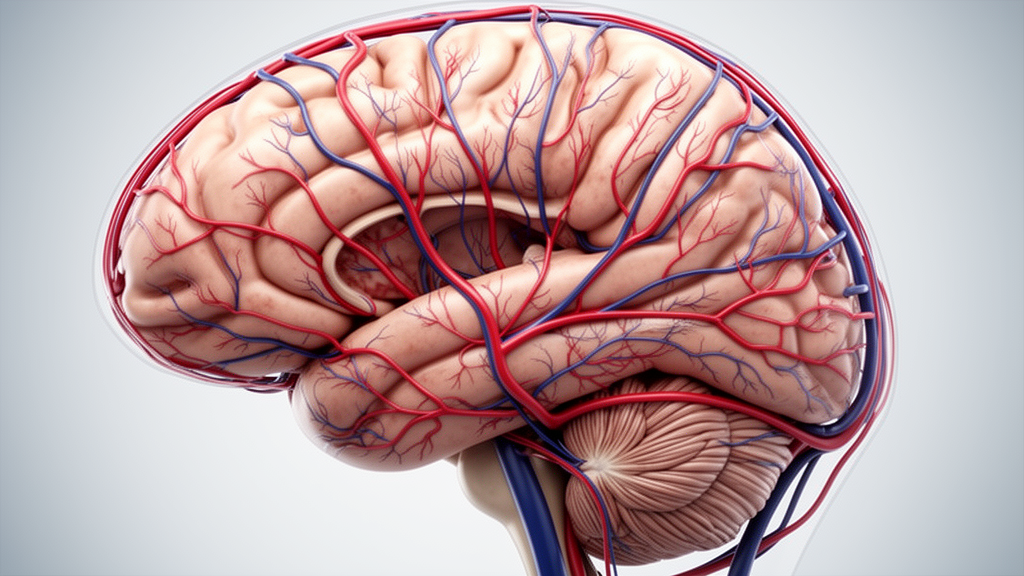
A sweeping autopsy study of more than 2,000 older adults has found that the slow slide of systolic blood pressure in late life is not the benign sign-off it is often assumed to be. Researchers tracking annual clinical evaluations across an average of nine years discovered that faster declines in systolic blood pressure were associated with more severe hardening of the brain’s small vessels and more atherosclerosis in the large arteries at the base of the brain — and, strikingly, the link with small vessel disease appeared only in women. The findings, published in Acta Neuropathologica, offer an autopsy-confirmed pathological basis for earlier reports that falling systolic pressure tracks with cognitive decline in older women but not men.
The study drew on four community-based longitudinal cohort studies run by the Rush Alzheimer’s Disease Center: the Religious Orders Study, the Rush Memory and Aging Project, the Minority Aging Research Study, and the Clinical Core. Together they contributed 2,033 deceased participants who had undergone brain autopsy, with a mean baseline age of 79.7 years and a mean age at death of 89.8 years; 69 percent were women. Because these cohorts share harmonized enrollment and standardized data collection, the team could pool blood pressure trajectories measured annually — three readings per visit, two seated and one standing, averaged with an automated sphygmomanometer — and match them to detailed postmortem examinations of brain vessels.
At autopsy, pathologists blinded to all clinical information graded three distinct cerebrovascular pathologies. Arteriolosclerosis, the thickening and narrowing of the brain’s tiniest arteries, was assessed microscopically in the anterior basal ganglia and in frontal and parietal white matter on a scale from none to complete small vessel occlusion. Atherosclerosis was graded by macroscopic inspection of the Circle of Willis, the arterial ring supplying the brain. Cerebral amyloid angiopathy, in which amyloid protein accumulates in vessel walls, was quantified by anti-β-amyloid immunohistochemistry across four cortical regions. Each measure was then categorized as none, mild, moderate, or severe for analysis.
Person-specific blood pressure slopes, estimated with mixed-effect models from an average of 9.1 years of annual evaluations, were entered into ordinal logistic regressions adjusted for age at death, sex, and antihypertensive medication use, with statistical controls for the known age differences in blood pressure trajectory and the shorter life expectancy of men. The results were unambiguous for systolic pressure: each 1 mmHg per year faster decline in systolic blood pressure was associated with 24 percent higher odds of greater arteriolosclerosis severity (odds ratio 1.24, 95 percent confidence interval 1.08–1.42) and 41 percent higher odds of greater atherosclerosis severity (odds ratio 1.41, 95 percent confidence interval 1.22–1.63) in the overall sample. Diastolic pressure decline, by contrast, was not associated with any of the three vessel pathologies.
The sex difference emerged in the interaction term. A significant systolic slope-by-sex interaction (p = 0.01) revealed that the association between falling systolic pressure and arteriolosclerosis was substantially stronger in women than in men. In sex-stratified models, each 1 mmHg per year faster systolic decline corresponded to 24 percent higher odds of more severe arteriolosclerosis in women, while the corresponding estimate in men was not statistically significant. Associations with atherosclerosis and cerebral amyloid angiopathy did not differ by sex, pointing to a selective vulnerability of the brain’s small vessels in women. Notably, women in the sample already carried a heavier neuropathological burden, with higher prevalence of arteriolosclerosis, greater tau tangle density, and higher β-amyloid burden than men.
Why would declining systolic pressure mark small vessel damage? The authors outline several plausible mechanisms. Chronic hypertension causes cerebral vessels to remodel and stiffen, shifting the cerebral autoregulation threshold upward so that vessels adapted to high pressure can no longer buffer pressure drops effectively. When age-related blood pressure decline then drops below this adapted threshold, cerebral hypoperfusion follows, potentially starving the microcirculation. Alternatively, chronic hypoperfusion itself may progressively damage brain vessels, accelerating arteriolar pathology in late life. A third possibility runs in reverse: arteriolosclerosis caused by decades of hypertension may reduce vascular compliance and impair baroreflex sensitivity, inducing a steeper blood pressure fall at older ages. The study’s design cannot establish which direction of causality applies, but all three mechanisms converge on the same clinical question — whether continued antihypertensive treatment should be re-evaluated as patients age into late life, and whether deprescribing might benefit brain health in those with falling pressure.
Secondary analyses extended the picture to Alzheimer’s disease pathology. Faster systolic decline was associated with lower tau tangle density, and this relationship too differed by sex (interaction p = 0.03): in women, faster systolic decline accompanied lower tau tangle density, whereas in men it accompanied higher density. The pattern in men is consistent with prior work attributing rising tau to cerebral perfusion falling below an adapted autoregulatory threshold in hypertensive older adults. The reversed pattern in women is harder to explain; one recent neuropathological study and a mouse model of chronic hypoperfusion suggest that hypoperfusion may reduce tau accumulation by boosting microglial tau phagocytosis and tau degradation, though that clearance mechanism was not directly tested. Systolic decline was not associated with global Alzheimer’s pathology or β-amyloid burden in either sex.
The findings survived an unusually thorough battery of sensitivity analyses. Adding covariates one at a time — study cohort, postmortem interval, diabetes, stroke, smoking, alcohol use, lipid-lowering medications, APOE ε4 carriership, ACE inhibitor and ARB use, and the presence of other major brain pathologies — did not meaningfully alter the associations. Adjusting for tau and β-amyloid measures did not change the arteriolosclerosis results, indicating the vascular findings were independent of Alzheimer’s pathology. Adjusting for age at menopause or estrogen medication use in women left the associations intact, suggesting that accumulated structural vascular changes rather than current hormonal status drive the sex difference. Most provocatively, stratification by baseline blood pressure showed that the associations were stronger among participants whose baseline systolic pressure was below 140 mmHg, and attenuated or absent in those with baseline hypertension — consistent with the idea that a decline from a low starting point pushes perfusion below the autoregulation threshold, while the same decline from a high baseline merely lands in a normotensive range.
The study has limits the authors acknowledge candidly. The cohort was predominantly highly educated and White, limiting generalizability, and midlife blood pressure data were unavailable, so the contribution of midlife hypertension to postmortem pathology could not be assessed. As a postmortem study, it cannot establish the temporal order of blood pressure decline and vessel pathology, and arteriolosclerosis was graded in only three brain regions while atherosclerosis was assessed solely at the Circle of Willis. Against these limitations stand notable strengths: follow-up rates exceeding 85 percent, autopsy rates above 80 percent, annual data collection spanning up to 31 years, and community-based recruitment less prone to selection bias than hospital autopsy series.
The broader message is that blood pressure targets cannot be uniformly assigned across aging populations. The authors argue that late-life systolic decline should be treated as a sex-specific risk factor for cerebral small vessel disease, warranting closer clinical surveillance in older women and a reconsideration of treatment thresholds in anyone whose pressure is falling. They propose longitudinal blood pressure monitoring as a precision medicine tool for cerebrovascular risk stratification — a framework that could identify, earlier and more accurately, which aging individuals are truly at greatest risk. Future studies integrating in vivo blood pressure trajectories with neuroimaging and Alzheimer’s biomarkers will be needed to pin down the temporal sequence, but the autopsy evidence now on the table makes clear that the seventh-decade blood pressure decline long observed in aging brains is anything but inert.
Subject of Research: Sex differences in the association between late-life blood pressure decline and postmortem cerebrovascular brain pathology
Article Title: Sex differences in the association of late-life blood pressure decline with postmortem brain vessel pathology
Article References: Baumgartner, N. W., Du, L., Mehta, R. I., Casaletto, K. B., Wood Alexander, M., Rabin, J. S., van Sloten, T., Bennett, D. A., Capuano, A. W., & Arvanitakis, Z. (2026). Sex differences in the association of late-life blood pressure decline with postmortem brain vessel pathology. Acta Neuropathologica, 152(1), Article 61. https://doi.org/10.1007/s00401-026-03107-1
Image Credits: AI Generated
DOI: 10.1007/s00401-026-03107-1
Keywords: blood pressure, systolic decline, arteriolosclerosis, atherosclerosis, cerebral amyloid angiopathy, brain autopsy, sex differences, cerebrovascular disease, small vessel disease, tau tangles, older adults, precision medicine
News Source: Cassandra Pierce. (October 24, 2026). Late-life blood pressure decline signals brain vessel damage in women. Scienmag.