• HOME
  • NEWS
  • EXPLORE
    • CAREER
      • Companies
      • Jobs
    • EVENTS
    • iGEM
      • News
      • Team
    • PHOTOS
    • VIDEO
    • WIKI
  • BLOG
  • COMMUNITY
    • FACEBOOK
    • INSTAGRAM
    • TWITTER
Friday, October 23, 2026
BIOENGINEER.ORG
No Result
View All Result
  • Login
  • HOME
  • NEWS
  • EXPLORE
    • CAREER
      • Companies
      • Jobs
        • Lecturer
        • PhD Studentship
        • Postdoc
        • Research Assistant
    • EVENTS
    • iGEM
      • News
      • Team
    • PHOTOS
    • VIDEO
    • WIKI
  • BLOG
  • COMMUNITY
    • FACEBOOK
    • INSTAGRAM
    • TWITTER
No Result
View All Result
Bioengineer.org
No Result
View All Result
Home NEWS Science News Technology

Threat Cues, Not Shocks Alone, Reshape Nucleus Accumbens Neurons

by
October 23, 2026
in Technology
Reading Time: 2 mins read
0
Threat Cues, Not Shocks Alone, Reshape Nucleus Accumbens Neurons

Threat Cues, Not Shocks Alone, Reshape Nucleus Accumbens Neurons

Share on FacebookShare on TwitterShare on LinkedinShare on RedditShare on Telegram

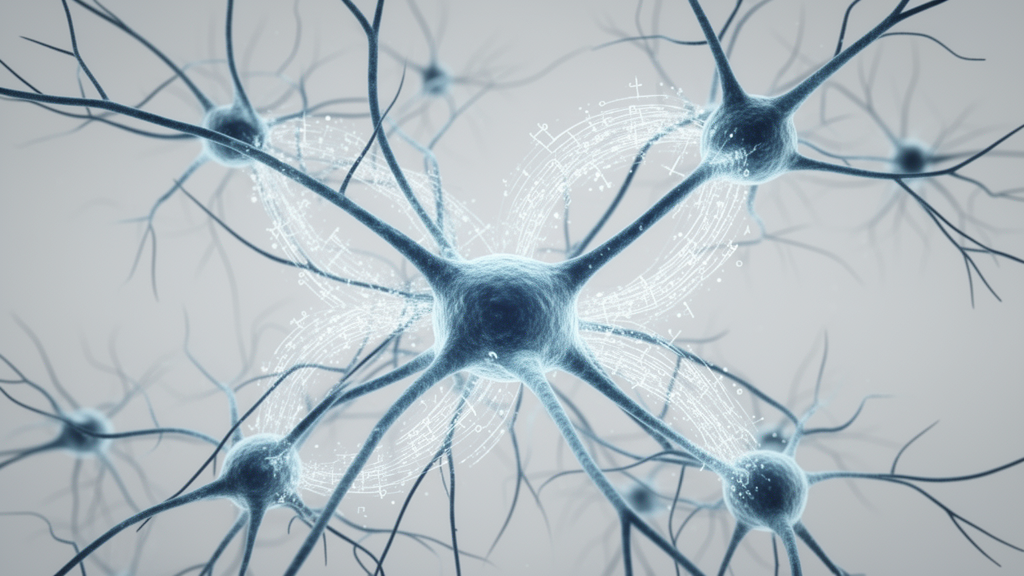
A study published in Scientific Reports on 22 October 2026 reports that structural remodeling of neurons in the nucleus accumbens is driven specifically by learned threat cues rather than by the aversive stimulus itself. The research, led by Desh Deepak Ratna with senior author T. Chase Francis, focused on dopamine 2 receptor-expressing medium spiny neurons, or D2-MSNs, which had previously been implicated in stress responses and aversive fear learning. Earlier observations had shown that repeated exposure to aversive stimuli and stress increases the density of excitatory spines, the tiny protrusions on neurons that receive synaptic input.

What remained unknown was whether this plasticity reflects cue-specific aversive fear learning, in which an animal associates a predictive signal with danger, or a more general, cue-independent response to stress. To separate these possibilities, the team used Pavlovian fear conditioning, an experimental design that allowed them to dissociate the associative component of learning from the effects of foot shock exposure alone. The experiments revealed that acute fear conditioning produced distinct physiological outcomes depending on whether an aversive stimulus was delivered in the presence or absence of a cue.

When conditioning was extended over seven days, cue learning consolidated, and the researchers measured an increase in the frequency of excitatory transmission onto D2-MSNs. This functional change was accompanied by an increase in total spine density, indicating that the strengthened signaling rested on measurable structural alterations at the synapses. Strikingly, repeated exposure to foot shock by itself did not produce this synaptic remodeling.

The morphological changes supporting plasticity in nucleus accumbens D2-MSNs therefore appear attributable to cue-dependent aversive fear learning rather than to foot shock stress alone. The authors propose that these neurons encode fear learning and responses to threat cues, a role that may heighten stress responsivity. Because the findings come from an accepted manuscript shared early for faster access and remain subject to further editorial edits before the final version of record, the results should be read as citable but still pending final publication formatting.

Even so, it sharpens the picture of the nucleus accumbens as a structure whose D2-MSNs participate in how the brain learns to anticipate danger from environmental signals, distinguishing cue-driven associative plasticity from the effects of stress exposure alone.

Subject of Research: Cue-dependent aversive fear learning and synaptic plasticity in nucleus accumbens D2 medium spiny neurons

Article Title: Cue-dependent fear learning drives nucleus accumbens spine plasticity

Article References: Ratna, D. D., Gray, C., Lee, E., Kiaris, C., Hamilton, M., & Francis, T. C. (2026). Cue-dependent fear learning drives nucleus accumbens spine plasticity. Scientific Reports. https://doi.org/10.1038/s41598-026-76692-6

Image Credits: AI Generated

DOI: 10.1038/s41598-026-76692-6

Keywords: nucleus accumbens, D2-MSNs, fear conditioning, spine plasticity, excitatory transmission, stress responsivity, Pavlovian learning, threat cues, Scientific Reports, neuroscience, Cue-dependent, fear

News Source: Cassandra Pierce. (October 23, 2026). Threat Cues, Not Shocks Alone, Reshape Nucleus Accumbens Neurons. Scienmag.


Tags: Cue-dependentD2-MSNsexcitatory transmissionfearfear conditioningNeurosciencenucleus accumbensPavlovian learningScientific Reportsspine plasticitystress responsivitythreat cues
Share12Tweet7Share2ShareShareShare1

Related Posts

Simulated Minds Split in Two: New Computational Model of Borderline Personality Disorder

Simulated Minds Split in Two: New Computational Model of Borderline Personality Disorder

October 23, 2026
Warehouse Logic for the Skies: Framework Maps Intralogistics Methods onto Low-Altitude Drone Economies

Warehouse Logic for the Skies: Framework Maps Intralogistics Methods onto Low-Altitude Drone Economies

October 23, 2026

Why So Many Household Biogas Plants Fail After the Installers Leave

October 23, 2026

AI research on sports injury prediction has exploded, a new map shows

October 23, 2026

POPULAR NEWS

  • Bibliometric review finds genome editing missing from Ficus research landscape

    Bibliometric review finds genome editing missing from Ficus research landscape

    29 shares
    Share 12 Tweet 7
  • Simulated Minds Split in Two: New Computational Model of Borderline Personality Disorder

    29 shares
    Share 12 Tweet 7
  • Antimicrobial resistance deaths in the Western Pacific set to surge by 2050

    29 shares
    Share 12 Tweet 7
  • Race and ethnicity reporting rises but remains incomplete in breast surgery journals

    29 shares
    Share 12 Tweet 7

About

We bring you the latest biotechnology news from best research centers and universities around the world. Check our website.

Follow us

Recent News

Bibliometric review finds genome editing missing from Ficus research landscape

Simulated Minds Split in Two: New Computational Model of Borderline Personality Disorder

Antimicrobial resistance deaths in the Western Pacific set to surge by 2050

Subscribe to Blog via Email

Enter your email address to subscribe to this blog and receive notifications of new posts by email.

Join 85 other subscribers
  • Contact Us

Bioengineer.org © Copyright 2023 All Rights Reserved.

Welcome Back!

Login to your account below

Forgotten Password?

Retrieve your password

Please enter your username or email address to reset your password.

Log In
No Result
View All Result
  • Homepages
    • Home Page 1
    • Home Page 2
  • News
  • National
  • Business
  • Health
  • Lifestyle
  • Science

Bioengineer.org © Copyright 2023 All Rights Reserved.