A 2026 editorial in Frontiers in Oncology concludes that the human microbiome functions as a complex, distributed network whose disruption can influence inflammation, genotoxicity, immune evasion and metabolism during cancer initiation and progression. The article synthesizes research published in a topic on dysbiosis and microbiome modulation in cancer prevention and therapy; it is an editorial rather than a new clinical trial or experimental study.
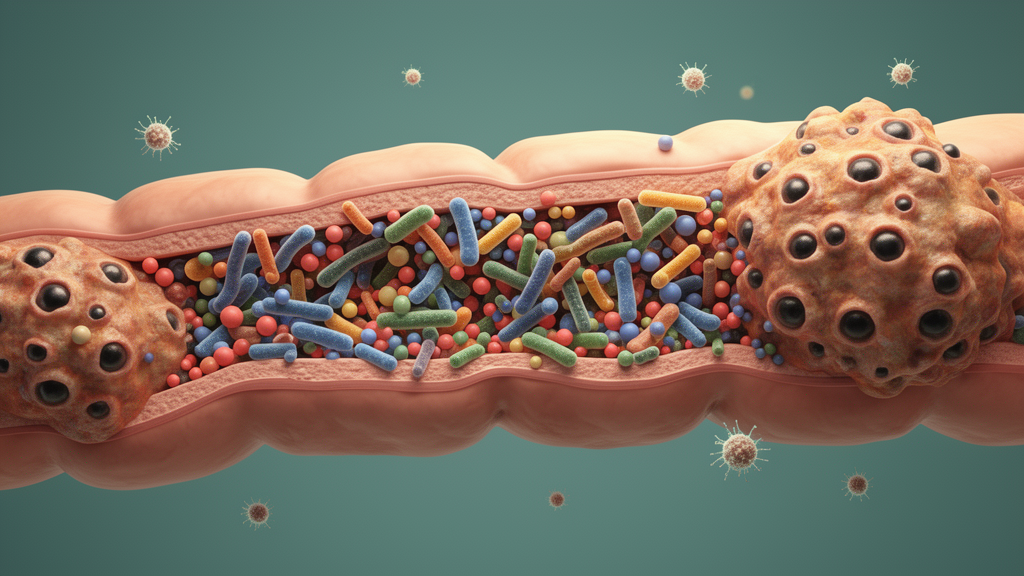
The microbiome contains billions of microorganisms, primarily in the gastrointestinal tract but also in the mouth, skin and genitourinary tract. Under physiological conditions, these organisms maintain mutual equilibrium with their host while contributing to nutrient metabolism, immune-system education and protection against pathogens. The editorial describes dysbiosis as more than the presence of particular organisms: it includes the loss of symbiotic microflora, proliferation of pathobionts, and reduced microbial diversity and redundancy. Diet, antibiotics, infections, chronic inflammation, alcohol consumption and smoking are among the factors that may disrupt this balance.
One proposed route to carcinogenesis involves physical and immune barriers. Disruption of the mucus layer, epithelial tight junctions and antimicrobial defences can increase microbial penetration into the epithelium, activating Toll-like and NOD-like receptors and inflammatory pathways including NF-κB and cGAS-STING. The resulting chronic inflammation is characterized by increased TNF-α, IL-6 and IL-17, together with recruitment of myeloid-derived suppressor cells and regulatory T cells. The evidence discussed presents these as mechanistic pathways through which dysbiosis may affect carcinogenesis, rather than as changes established in every patient.
Some bacteria may also contribute directly to DNA damage or oncoprotein activation. The editorial cites pks-positive Escherichia coli, which produces colibactin and causes DNA cross-links and specific mutations observed in colorectal cancer patients, and enterotoxigenic Bacteroides fragilis, which can cleave E-cadherin. Microbial metabolism supplies another proposed connection: dysbiosis can reduce protective short-chain fatty acids such as butyrate while increasing secondary bile acids, lactate and polyamines that support tumorigenesis. Gut bacterial β-glucuronidase may also deconjugate oestrogen glucuronide metabolites from the liver, producing active oestrogens that can be recycled through enterohepatic circulation. The authors identify this as a possible route to increased breast-cell exposure to active oestrogens and the promotion of oestrogen receptor-positive breast cancer.
Associations between particular microbes and tumours vary by cancer type. Fusobacterium nucleatum has been associated with colorectal cancer development through FadA-mediated E-cadherin/β-catenin signalling and Fap2-mediated activation of TIGIT on immune cells, which may assist immune evasion. Related associations involving F. nucleatum and Porphyromonas gingivalis have been reported in head and neck carcinogenesis, involving epithelial disruption, inflammation and immune manipulation. For P. gingivalis, induction of PD-L1 overexpression in oral epithelium and cancer cells has been described as a possible mechanism for immune escape.
The microbiome also has documented associations with treatment efficiency, toxicity and resistance in the studies discussed. Commensals producing short-chain fatty acids and metabolites such as inosine and indole-3-aldehyde have been linked to the efficacy of immune checkpoint inhibitors, while antibiotic-associated dysbiosis correlates with worse treatment outcomes. Microbial enzymes can alter chemotherapy directly: β-glucuronidase converts irinotecan to a toxic metabolite associated with diarrhoea, and γ-proteobacteria can destroy gemcitabine, making it less effective. Microbial composition has additionally been correlated with radiotherapy-induced toxicity and systemic antitumour activity.
These observations have prompted attempts to alter the microbiome through dietary interventions, prebiotics, probiotics, live biotherapeutics and faecal microbiota transplantation, with the aims of improving therapeutic efficacy or reducing treatment toxicity. The editorial emphasizes that clinical translation is complicated by substantial variation among patients, differences in microbiome-study methods, incomplete understanding of microbial function, and unresolved questions concerning donor selection and regulation. These limitations affect the design and interpretation of microbiome-based approaches, but the editorial does not provide a direct comparative assessment proving the interventions ineffective.
Contributions to the research topic illustrate the proposed relationships across several cancers. Lin and colleagues describe an oral-gut axis in head and neck cancer, which is increasingly linked with oral and gut microbiota dysbiosis alongside established factors such as tobacco and viral infections. Proposed mechanisms include microbial translocation, altered metabolites, chronic inflammation, immune suppression and activation of oncogenic pathways; suggested microbiome-based approaches include probiotics and antimicrobial peptides. Li and colleagues propose a gut-thyroid axis in which Terrisporobacter may promote papillary thyroid carcinoma progression through NTRK1/TRK signalling and immune suppression, presenting a proposed mechanism rather than established clinical evidence.
Al Shareef and colleagues observed significantly greater microbial diversity in prostate cancer tissue than in benign prostatic hyperplasia tissue and greater variation in microbial composition. Methylobacterium was more abundant in the prostate cancer samples, and this association remained after adjustment for other clinical variables, indicating an association rather than causation. Dixit and colleagues’ review proposes a “two-hit” model: the first dysbiosis event creates a permissive, barrier-deficient microenvironment, while a later event—such as genotoxicity, persistent inflammation or immune escape—drives malignant transformation. The editorial concludes that the field is moving away from broad “good versus bad” concepts toward specific pathways such as FadA/E-cadherin, Fap2/TIGIT, colibactin-associated DNA damage and short-chain-fatty-acid signalling. Progress in clinical application will depend on harmonising sampling, sequencing, functional validation, donor selection and regulatory standards, with multi-omic and mechanistic approaches increasingly central to that work.
Subject of Research: Editorial synthesis of microbiome dysbiosis, cancer biology and treatment-related associations
Article Title: Editorial: Dysbiosis and microbiome modulation in cancer prevention and therapy
Article References: Nair, R. R., Wainstein, E., & Yadav, S. S. (2026). Editorial: Dysbiosis and microbiome modulation in cancer prevention and therapy. Frontiers in Oncology, 16, Article 2006794. https://doi.org/10.3389/fonc.2026.2006794
Image Credits: AI Generated
DOI: 10.3389/fonc.2026.2006794
Keywords: cancer, dysbiosis, microbiome, cancer therapy, tumor microbiome, immune evasion, microbial metabolism, microbiome modulation, treatment toxicity, Editorial, modulation, prevention
News Source: Morgan Morrow. (October 21, 2026). Editorial synthesizes links between microbiome disruption and cancer biology. Scienmag.