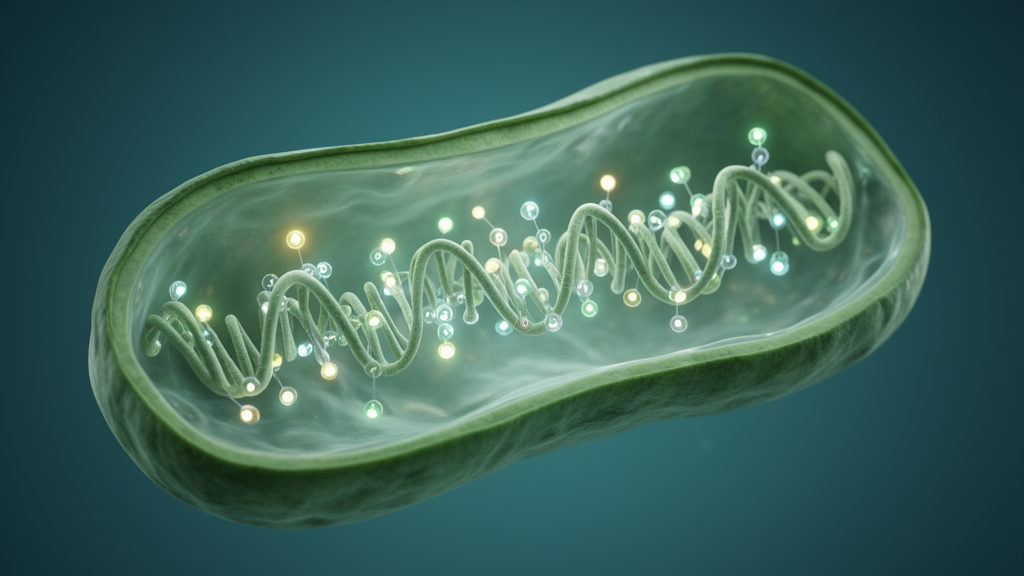
An integrative analysis in Arabidopsis thaliana identified seven confidently modified sites in chloroplast 16S rRNA and ten in 23S rRNA, according to the study abstract. Most corresponded to conserved bacterial modifications, while a methylated cytosine at position C1940 in 23S rRNA appeared to be conserved within the plant lineage but absent from bacteria. These findings provide a map of chloroplast rRNA modifications and link their installation to ribosome maturation and assembly in plant chloroplasts.
For the research study, the authors combined direct RNA sequencing with complementary cDNA-based approaches and meta-analysis of publicly available RNA-seq datasets. The researchers assessed post-transcriptional modifications in the chloroplast 16S and 23S rRNAs of Arabidopsis thaliana. They also examined the plastid counterpart PFC1 of the bacterial dimethyltransferase KsgA and used single-molecule direct RNA sequencing to analyze defined 16S and 23S rRNA processing states. The reported detection of stage-specific modification-associated signatures was consistent with modifications being installed stepwise during plastid ribosome biogenesis.
Functional analysis of PFC1 indicated that loss of N6,N6-dimethyladenosine formation impaired 16S rRNA maturation, delayed chloroplast ribosome assembly and affected photosynthetic performance in young leaves. The study therefore associates this RNA modification with rRNA maturation and ribosome assembly while providing experimental evidence for a functional effect in young leaf tissue. The authors described the overall pattern as showing that plastid ribosomes retain a prokaryotic-type functional core, alongside the plant-lineage-associated C1940 modification that was not found in bacteria.
The work is a plant molecular-biology study centered on Arabidopsis, with comparative sequence evidence used to examine conservation across bacteria and plant lineages. Its functional experiments focused on one modification-related protein and the reported photosynthetic effect was specific to young leaves, so the abstract does not establish effects across all tissues, developmental stages or plant species. Only the supplied abstract and publisher metadata were available for this report; the source also notes that the accessible accepted version may undergo further edits before replacement by the final Version of Record.
Subject of Research: Mapping chloroplast rRNA modifications associated with ribosome maturation and assembly in Arabidopsis thaliana
Article Title: Integrative mapping of chloroplast rRNA modifications reveals conserved and lineage-specific features and stepwise modification during plastid ribosome biogenesis
Article References: Gołębiewska, K., Duszyn, M., Piątkowski, J., & Gawroński, P. (2026). Integrative mapping of chloroplast rRNA modifications reveals conserved and lineage-specific features and stepwise modification during plastid ribosome biogenesis. BMC Plant Biology. https://doi.org/10.1186/s12870-026-09896-7
Image Credits: AI Generated
DOI: 10.1186/s12870-026-09896-7
Keywords: Arabidopsis thaliana, chloroplasts, rRNA modifications, ribosome biogenesis, 16S rRNA, 23S rRNA, PFC1, KsgA, photosynthesis, RNA sequencing, Integrative, mapping
News Source: Alan Morgan. (October 20, 2026). Integrative mapping of chloroplast rRNA modifications reveals conserved and lineage-specific features and stepwise modification during plastid ribosome biogenesis. Scienmag.