• HOME
  • NEWS
  • EXPLORE
    • CAREER
      • Companies
      • Jobs
    • EVENTS
    • iGEM
      • News
      • Team
    • PHOTOS
    • VIDEO
    • WIKI
  • BLOG
  • COMMUNITY
    • FACEBOOK
    • INSTAGRAM
    • TWITTER
Tuesday, October 20, 2026
BIOENGINEER.ORG
No Result
View All Result
  • Login
  • HOME
  • NEWS
  • EXPLORE
    • CAREER
      • Companies
      • Jobs
        • Lecturer
        • PhD Studentship
        • Postdoc
        • Research Assistant
    • EVENTS
    • iGEM
      • News
      • Team
    • PHOTOS
    • VIDEO
    • WIKI
  • BLOG
  • COMMUNITY
    • FACEBOOK
    • INSTAGRAM
    • TWITTER
No Result
View All Result
Bioengineer.org
No Result
View All Result
Home NEWS Science News Health

Does Intensive Therapy Targeting Modifiable Risk Factors Prevent Diabetic Neuropathy in Adults with Type 2 Diabetes? A Systematic Review and Meta-analysis of Randomized Clinical Trials

by
October 20, 2026
in Health
Reading Time: 2 mins read
0
Does Intensive Therapy Targeting Modifiable Risk Factors Prevent Diabetic Neuropathy in Adults with Type 2 Diabetes? A Systematic Review and Meta-analysis of Randomized Clinical Trials

Intensive Risk-Factor Therapy Shows Little Effect on Diabetic Neuropathy Prevention

Share on FacebookShare on TwitterShare on LinkedinShare on RedditShare on Telegram

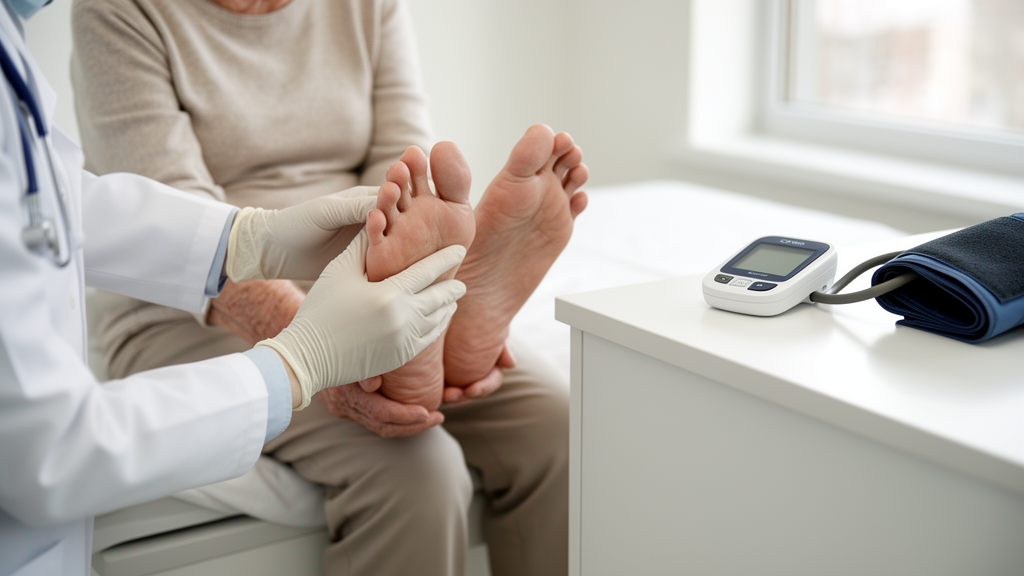
Intensive treatment of glycemia produced little to no difference in the risk of incident diabetic peripheral neuropathy among adults with type 2 diabetes, according to a systematic review and meta-analysis of randomized controlled trials. The review found low-certainty evidence that an insulin-sensitizing strategy may reduce neuropathy risk in the BARI-2D trial, while evidence from single studies suggested possible reductions with blood-pressure-lowering and multifactorial interventions.

The authors searched PubMed, Embase, and ClinicalTrials.gov for randomized trials published since 1980 that evaluated interventions targeting modifiable risk factors for primary prevention of diabetic peripheral neuropathy. Eligible interventions included those addressing glycemia, lipids, blood pressure, smoking cessation, lifestyle, and combinations of these factors. Two reviewers independently screened studies, with a third resolving disagreements, and a random-effects model was used for meta-analysis. The searches identified 1,287 articles, 863 underwent title and abstract screening, and 41 were assessed in full text. Nine studies provided extractable data; eight were rated as having low risk of bias under the Cochrane risk-of-bias tool, while one had unclear risk.

A meta-analysis of five glycemia-control studies estimated an odds ratio of 0.89 for incident diabetic peripheral neuropathy, with a 95% confidence interval of 0.66 to 1.19 and a prediction interval of 0.37 to 2.15. Heterogeneity was substantial, with an I² of 77.8%. Sensitivity analysis identified BARI-2D as the dominant source of heterogeneity; removing that trial reduced I² to 23% and narrowed the prediction interval to 0.80 to 1.08. The authors noted that BARI-2D compared insulin-sensitizing with insulin-providing drug strategies rather than different glycemia-intensity targets in patients with coronary artery disease. In the four-study analysis, glycemic control yielded an odds ratio of 0.93 (95% CI 0.85 to 1.02), indicating little to no difference in neuropathy risk.

Within BARI-2D, the insulin-sensitizing strategy was associated with lower odds of incident diabetic peripheral neuropathy independently of achieved HbA1c, with an odds ratio of 0.84 (95% CI 0.71 to 0.99). The authors characterized this as a low-certainty, drug-class-specific finding. Evidence that blood-pressure-lowering and multifactorial interventions may reduce incident neuropathy came from single studies and was also rated low certainty. These findings are limited by the small evidence base, substantial heterogeneity in the broader glycemic analysis, and reliance on single-study evidence for several interventions. The review concludes that further rigorous research is warranted on the prevention of incident diabetic peripheral neuropathy.

Subject of Research: Effects of interventions targeting modifiable risk factors on prevention of diabetic peripheral neuropathy in adults with type 2 diabetes

Article Title: Does Intensive Therapy Targeting Modifiable Risk Factors Prevent Diabetic Neuropathy in Adults with Type 2 Diabetes? A Systematic Review and Meta-analysis of Randomized Clinical Trials

Article References: Sheehan, A. L., O’Malley, J. M., Gunawan, S., Laynor, G., Nicholson, A., Illenberger, N., & Natarajan, S. (2026). Does Intensive Therapy Targeting Modifiable Risk Factors Prevent Diabetic Neuropathy in Adults with Type 2 Diabetes? A Systematic Review and Meta-analysis of Randomized Clinical Trials. Journal of General Internal Medicine. https://doi.org/10.1007/s11606-026-10801-z

Image Credits: AI Generated

DOI: 10.1007/s11606-026-10801-z

Keywords: type 2 diabetes, diabetic peripheral neuropathy, systematic review, meta-analysis, randomized controlled trials, glycemic control, blood-pressure lowering, multifactorial intervention, BARI-2D, risk-factor modification, Does, Intensive

News Source: Ophelia Keating. (October 20, 2026). Does Intensive Therapy Targeting Modifiable Risk Factors Prevent Diabetic Neuropathy in Adults with Type 2 Diabetes? A Systematic Review and Meta-analysis of Randomized Clinical Trials. Scienmag.

Tags: BARI-2Dblood-pressure loweringDiabetic peripheral neuropathydoesglycemic controlintensiveMeta-analysismultifactorial interventionrandomized controlled trialsrisk-factor modificationsystematic reviewType 2 diabetes
Share12Tweet7Share2ShareShareShare1

Related Posts

Clinical nurse study links professional dignity with caring behavior scores

Clinical nurse study links professional dignity with caring behavior scores

October 20, 2026
Internally validated model identifies factors associated with parenteral nutrition-associated cholestasis in preterm infants

Internally validated model identifies factors associated with parenteral nutrition-associated cholestasis in preterm infants

October 20, 2026

Editorial links transportation barriers with disparities in diagnostic colonoscopy access

October 20, 2026

Prenatal PM2.5 and carbon monoxide exposure linked to higher odds of low birth weight in Fujian cohort

October 20, 2026

POPULAR NEWS

  • Clinical nurse study links professional dignity with caring behavior scores

    Clinical nurse study links professional dignity with caring behavior scores

    29 shares
    Share 12 Tweet 7
  • Does Intensive Therapy Targeting Modifiable Risk Factors Prevent Diabetic Neuropathy in Adults with Type 2 Diabetes? A Systematic Review and Meta-analysis of Randomized Clinical Trials

    29 shares
    Share 12 Tweet 7
  • Internally validated model identifies factors associated with parenteral nutrition-associated cholestasis in preterm infants

    29 shares
    Share 12 Tweet 7
  • BELI(E)VE protocol evaluates belantamab mafodotin plus venetoclax in t(11;14)-positive relapsed or refractory multiple myeloma

    29 shares
    Share 12 Tweet 7

About

We bring you the latest biotechnology news from best research centers and universities around the world. Check our website.

Follow us

Recent News

Clinical nurse study links professional dignity with caring behavior scores

Does Intensive Therapy Targeting Modifiable Risk Factors Prevent Diabetic Neuropathy in Adults with Type 2 Diabetes? A Systematic Review and Meta-analysis of Randomized Clinical Trials

Internally validated model identifies factors associated with parenteral nutrition-associated cholestasis in preterm infants

Subscribe to Blog via Email

Enter your email address to subscribe to this blog and receive notifications of new posts by email.

Join 85 other subscribers
  • Contact Us

Bioengineer.org © Copyright 2023 All Rights Reserved.

Welcome Back!

Login to your account below

Forgotten Password?

Retrieve your password

Please enter your username or email address to reset your password.

Log In
No Result
View All Result
  • Homepages
    • Home Page 1
    • Home Page 2
  • News
  • National
  • Business
  • Health
  • Lifestyle
  • Science

Bioengineer.org © Copyright 2023 All Rights Reserved.