A combination of ethyl acetate fractions from Uncaria sp. and Selaginella doederleinii induced mitochondrial dysfunction and apoptosis-associated changes in Saccharomyces cerevisiae yeast cells, according to a preclinical study in Molecular Biology Reports. Researchers incubated the cells with the combined preparation, designated EAF-BC, at concentrations of 5, 10 and 100 parts per million for 24 hours. The strongest response occurred at 100 ppm, where the researchers observed severe mitochondrial damage, an 85% frequency of petite colonies, altered cell surfaces, phosphatidylserine externalization and DNA fragmentation.
The findings provide experimental evidence in yeast but do not establish anticancer efficacy or safety in humans. The study examined several cellular and molecular indicators associated with the proposed anticancer activity of EAF-BC. Its methods combined measurements of petite colony formation, mitochondrial activity and cell-surface morphology with tests for phosphatidylserine externalization and DNA fragmentation.
The investigators also quantified expression of three apoptosis-related genes: FSH3, YCA1 and AIF1. This panel allowed them to compare changes in mitochondrial function and cellular structure with a molecular response at three tested concentrations over the same 24-hour exposure period. Petite colony frequency increased in a dose-dependent manner after treatment with EAF-BC, reaching 85% at the highest concentration.
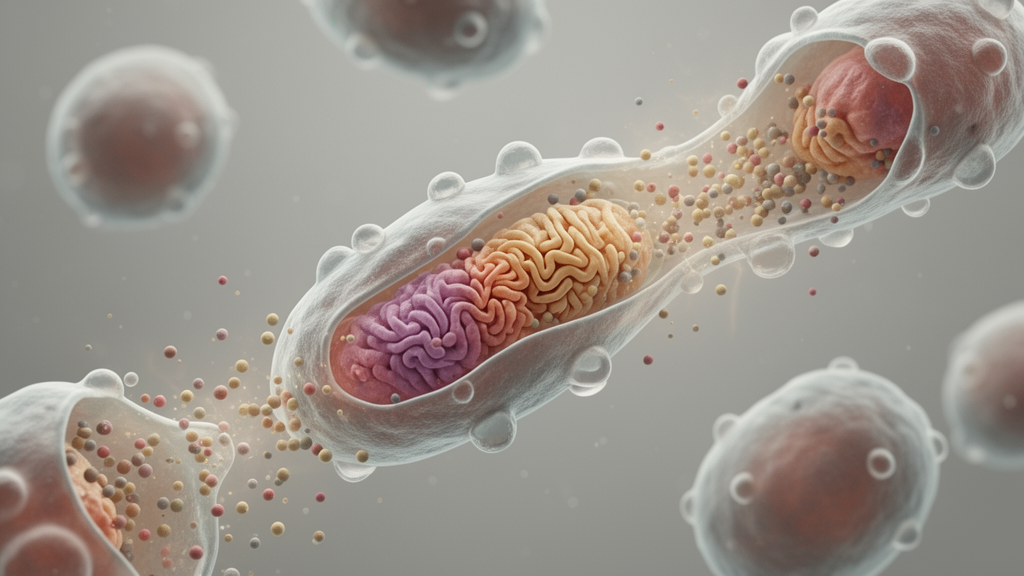
At 100 ppm, mitochondrial fluorescence was reduced, indicating impaired mitochondrial activity under the assay conditions. The treated cells also showed surface wrinkling, while phosphatidylserine appeared on the external cell surface and DNA fragmentation was detected. The investigators characterized the combined pattern as mitochondria-driven apoptosis.
Taken together, the measured changes linked the high petite-colony frequency with reduced mitochondrial activity and additional cellular hallmarks of apoptosis rather than reporting an isolated alteration in colony phenotype. Gene-expression analysis added support to the cellular observations. At 100 ppm, EAF-BC significantly increased FSH3 expression by sixfold, YCA1 expression by threefold and AIF1 expression by twofold.
The 5- and 10-ppm treatments also induced apoptosis-associated activity, but at lower levels than the 100-ppm treatment. Across the tested range, the results therefore showed a concentration-dependent response: the highest concentration produced the most pronounced mitochondrial damage, structural changes, DNA fragmentation and regulation of the three apoptosis-related genes. Because the experiment used S. cerevisiae cells, the findings describe a preclinical cellular response rather than a demonstrated effect in people or an established cancer treatment.
The reported results do not show that EAF-BC is selective for cancer cells, determine its toxicity in humans, or establish an effective dose for patients. The study’s supported conclusion is narrower: under the tested laboratory conditions, EAF-BC induced apoptosis-associated cellular changes accompanied by mitochondrial dysfunction in yeast, with the strongest effects observed at 100 ppm. Further work would be required to determine whether this laboratory response translates to anticancer activity in more representative biological systems and in humans.
Subject of Research: Preclinical yeast testing of combined Uncaria sp. and Selaginella doederleinii ethyl acetate fractions for mitochondrial dysfunction and apoptosis-associated cellular changes
Article Title: Mitochondrial dysfunction and apoptosis-related gene activation induced by combined ethyl acetate fractions of Uncaria sp. and Selaginella doederleinii in Saccharomyces cerevisiae
Article References: Nisa, Z. K., Astuti, R. I., Sulistiyani, S., Verinda, S. B., & Suminto, S. (2026). Mitochondrial dysfunction and apoptosis-related gene activation induced by combined ethyl acetate fractions of Uncaria sp. and Selaginella doederleinii in Saccharomyces cerevisiae. Molecular Biology Reports, 53(1), Article 1533. https://doi.org/10.1007/s11033-026-12725-7
Image Credits: AI Generated
DOI: 10.1007/s11033-026-12725-7
Keywords: Saccharomyces cerevisiae, Uncaria sp, Selaginella doederleinii, ethyl acetate fractions, mitochondrial dysfunction, apoptosis, petite colonies, FSH3, YCA1, AIF1, preclinical research, Mitochondrial
News Source: Juliet Wilcox. (October 20, 2026). Combined plant fractions induce mitochondrial dysfunction and apoptosis in yeast. Scienmag.