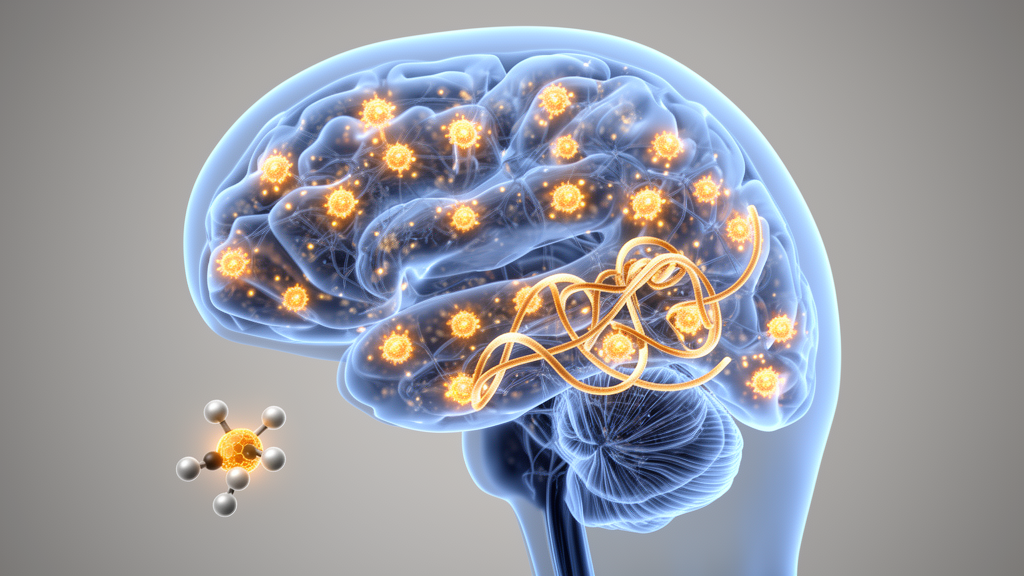
Diabetes is far more than a disorder of blood sugar. In a sweeping narrative review published in Annals of Clinical and Translational Neurology, researchers argue that diabetes-associated cognitive impairment, or DACI, should be understood as a spectrum of brain dysfunction that ranges from mild cognitive impairment to full dementia, and that in some patients diabetes may act as the primary driver of neurodegeneration rather than a mere bystander. With an estimated 828 million adults living with diabetes globally, and a recent meta-analysis suggesting that roughly 40 percent of individuals with diabetes show some form of cognitive disorder, the potential public health burden is enormous and touches both middle-aged and older adults.
The clinical picture of DACI most often resembles vascular cognitive impairment, with executive function and processing speed taking the earliest hits, although memory deficits are also common. Diabetes raises the risk of vascular dementia by about 58 percent and Alzheimer’s disease by about 30 percent, and even prediabetes has been linked to elevated dementia risk. Notably, cognitive deficits and brain atrophy can be detected in young and middle-aged adults with diabetes long before any dementia diagnosis would be made. Each 1 percent increase in HbA1c is associated with an 8 percent higher risk of developing dementia, yet intensive glucose-lowering strategies targeting HbA1c below 6 or 6.5 percent have not conferred significant cognitive benefit compared with standard approaches, suggesting that hyperglycemia alone does not fully explain the brain changes.
On brain imaging, the most consistent findings are cerebral atrophy, cerebral small vessel disease, and glucose hypometabolism. Diabetes increases the burden of silent brain infarcts and white matter hyperintensities, and the severity of small vessel disease is an important predictor of future cognitive decline. Diffusion tensor imaging reveals lower fractional anisotropy and higher mean diffusivity in diabetic patients with mild cognitive impairment compared with diabetic patients whose cognition remains normal. Resting-state functional MRI studies show reduced connectivity within the default mode network, a pattern also observed in aging and dementia, while fluorodeoxyglucose PET demonstrates cerebral glucose hypometabolism whose regional distribution varies considerably across studies.
Mechanistically, the review frames DACI as a neurovascular-metabolic disorder. Vascular injury begins with endothelial dysfunction: endothelial cells rely on insulin-independent GLUT1 and GLUT3 glucose transport, which can expose them to excess intracellular glucose during hyperglycemic episodes. Hyperglycemia then induces oxidative stress through mitochondrial dysfunction, activates chronic inflammatory pathways including nuclear factor-κB, reduces nitric oxide bioavailability, and promotes endothelial-to-mesenchymal transition via TGF-β signaling. Persistent endothelial damage accelerates atherosclerosis through advanced glycation end products and inflammatory mediators that upregulate adhesion molecules, promoting monocyte and macrophage infiltration into the subendothelial space, while glycation of LDL particles increases their atherogenicity. The risk of ischemic stroke is more than twofold higher in individuals with diabetes even after adjusting for smoking, BMI, systolic blood pressure, and dyslipidemia.
Neurovascular coupling, the dynamic adjustment of cerebral blood flow to neuronal activity, is also disrupted in diabetes, reflecting impaired coordination between neuronal demand and perfusion within the neurovascular unit of neurons, astrocytes, endothelial cells, smooth muscle cells, and pericytes. Orthostatic hypotension, a manifestation of autonomic neuropathy that is nearly twice as common in diabetes at approximately 25 percent, further compounds the problem and has been associated with increased risk of dementia, Alzheimer’s disease, and vascular dementia. The blood-brain barrier itself shows disruption, evidenced by basement membrane thickening, endothelial dysfunction, and pericyte degeneration, an early feature that may precede both brain atrophy and cognitive symptoms.
Brain insulin resistance emerges as a shared feature of type 2 diabetes and Alzheimer’s disease. Insulin crosses the blood-brain barrier through a saturable transporter whose efficiency is modulated by obesity, aging, and neurodegeneration, and in humans the CSF-to-serum insulin ratio correlates positively with peripheral insulin sensitivity, suggesting reduced transport with greater resistance. Within the CNS, insulin signaling through IRS-AKT and IRS-MAPK cascades supports neurite outgrowth, inhibits apoptosis, enhances mitochondrial function, and modulates synaptic plasticity. Postmortem studies in Alzheimer’s and diabetic brains reveal abnormalities in IRS1-AKT-mTOR and GSK3 pathways, and postmortem measures of central insulin resistance correlate positively with amyloid-β and tau pathology and inversely with cognitive performance.
Perhaps the most intriguing finding concerns amyloid and tau. Most neuropathological studies have found no association between diabetes and classic Alzheimer’s changes such as neuritic plaques or neurofibrillary tangles, and cross-sectional PET studies have not identified significant differences in amyloid deposition between diabetic and non-diabetic individuals. Instead, diabetes may preferentially modify tau pathology. Insulin resistance may leave GSK-3β active to phosphorylate tau through impaired PI3K/Akt pathway activation. An exploratory multicohort analysis suggested enrichment of amyloid-negative, tau-positive CSF profiles in individuals with diabetes, and in a PET imaging study of diabetes-related dementia, 11 of 21 participants showed a tau-positive but amyloid-negative pattern. In the Framingham Heart Study subgroup, higher fasting plasma glucose predicted increased temporal tau deposition 14 years later without any significant association with amyloid-β. The review raises the question of whether diabetes promotes an earlier, pre-tangle form of tauopathy rather than the mature tangle burden of advanced Alzheimer’s disease.
Oxidative stress and neuroinflammation complete the pathological profile. The brain is highly vulnerable to oxidative injury given its high energy demands and lipid content, and diabetes contributes through excessive reactive oxygen species generation and mitochondrial dysfunction. AGE-RAGE signaling activates NF-κB, MAPK, PI3K/AKT, and GSK-3β pathways, driving microglial activation, proinflammatory cytokine release, and increased amyloid-β and tau hyperphosphorylation in experimental models. Higher insulin resistance and BMI have been associated with increased cortical TSPO-PET signal indicative of microglial activation in cognitively unimpaired older adults. Ferroptosis, a non-apoptotic iron-dependent form of cell death, has been implicated in both conditions, with patients showing higher brain iron levels on MRI-based methods. The glymphatic system, which clears neurotoxic proteins including amyloid and tau, also shows impairment, with human studies reporting decreased ALPS index, an indirect marker of glymphatic activity, in individuals with diabetes.
On the therapeutic front, GLP-1 receptor agonists have generated the most excitement. A recent large meta-analysis of 23 clinical trials of cardioprotective glucose-lowering agents reported a statistically significant reduction in dementia risk among individuals receiving GLP-1 receptor agonists, with an odds ratio of 0.55, though sodium-glucose cotransporter 2 inhibitors did not show a significant change in the same analysis. Animal models of Alzheimer’s disease have shown that GLP-1 receptor agonists reduce amyloid and tau pathology and attenuate central insulin resistance. However, a recent Phase 3 trial of oral semaglutide in early Alzheimer’s failed to show slowing of clinical progression, and a Phase 2b trial of daily liraglutide showed no changes in cerebral glucose metabolism as the primary outcome, with only a modest improvement in executive function as a secondary outcome. Intranasal insulin, which efficiently reaches the brain and modulates regional cerebral blood flow, showed no cognitive improvement in diabetic patients in a Phase 2 randomized trial of 223 participants, though it did improve gait speed and medial prefrontal cortex blood flow.
Vascular risk factor management remains essential, with blood pressure control slowing progression of white matter hyperintensities and stroke risk, while antiplatelet therapy has not demonstrated primary cognitive benefit in diabetic patients without established cardiovascular disease. The AGE-RAGE antagonist azeliragon failed to show cognitive benefit in a Phase 3 trial in mild Alzheimer’s disease. Nasal anti-CD3, developed as Foralumab, is currently under investigation in Phase 2a trials for mild Alzheimer’s disease and non-active secondary progressive multiple sclerosis, with preliminary evidence of reduced microglial activation on TSPO-PET. Gut-brain axis interventions including probiotics show mixed cognitive effects, while intermittent fasting and caloric restriction may modulate shared metabolic and neuroinflammatory pathways, though human data remain limited to small studies. The review concludes that prospective trials specifically powered to assess cognitive outcomes in diabetes are needed, and that the cognitive benefits of pleiotropic agents may be most apparent when initiated early, before irreversible neurodegeneration has occurred, highlighting the importance of optimizing diabetes management at the earliest signs of cognitive impairment.
Subject of Research: Diabetes‐Associated Cognitive Impairment: Pathophysiology and Emerging Therapies
Article Title: Diabetes‐Associated Cognitive Impairment: Pathophysiology and Emerging Therapies
Article References: Corbali, O., Menon, P., Corbali, H. I., Jagannathan, R., & Levey, A. I. (2026). Diabetes‐Associated Cognitive Impairment: Pathophysiology and Emerging Therapies. Annals of Clinical and Translational Neurology, Article acn3.70487. https://doi.org/10.1002/acn3.70487
Image Credits: AI Generated
DOI: 10.1002/acn3.70487
Keywords: Diabetes, Associated, Cognitive, Impairment, Pathophysiology, Emerging, Therapies, scientific research
News Source: Cassandra Pierce. (October 17, 2026). Diabetes May Drive Dementia Through Brain Insulin Resistance and Tau Changes. Scienmag.