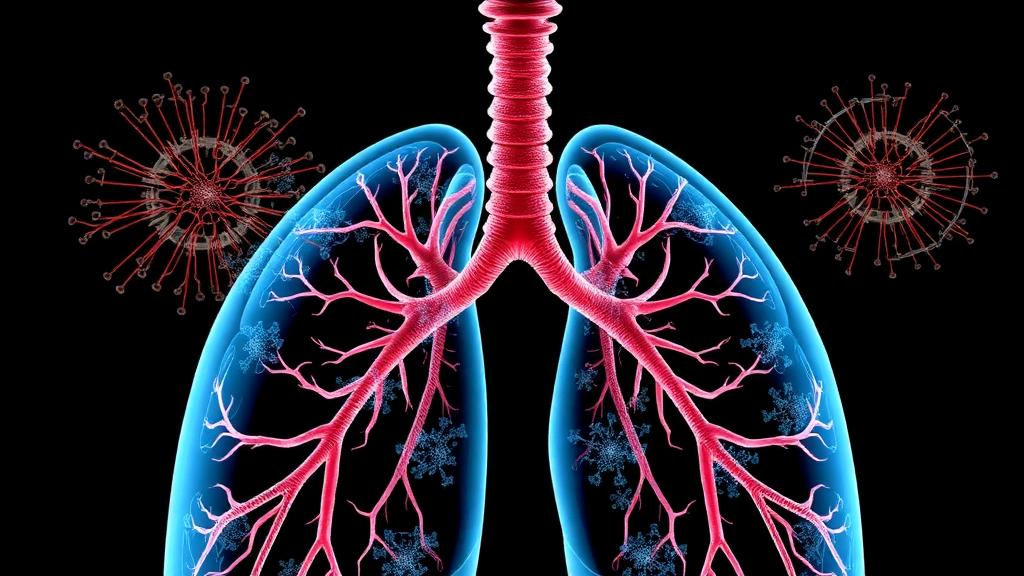
The inside of the human airway is one of the most hostile places a transplanted cell could possibly land. It is a high-shear tunnel swept by mucus, patrolled by bacteria, bathed in inflammatory signals and oxidative stress. That hostile environment is precisely why a promising regenerative idea—replacing defective airway lining with healthy epithelial cells—has struggled to move from laboratory success to clinical reality. Now, a comprehensive review published in the Journal of Translational Medicine lays out a unified translational framework designed to overcome the barriers that have kept airway epithelial cell transplantation from reaching patients with cystic fibrosis, primary ciliary dyskinesia, chronic rhinosinusitis and other devastating epithelial diseases.
The review, led by Katelin M. Allan and Shafagh A. Waters of the University of New South Wales together with collaborators in Canada, the United States and Australia, argues that no single technology will be enough. Instead, the authors integrate three domains—airway conditioning, biomaterials and cell therapy—into a single combination product that spans both manufacturing and procedural medicine. The approach treats the airway not as a passive delivery site but as a niche that must be actively engineered to accept and nurture new cells during the critical early period after transplantation.
Central to the framework is the concept of conditioning, which the authors define as a time-limited intervention that creates what they call a window of receptivity. In practical terms, conditioning transiently reduces the microbial burden, inflammation, oxidative stress and fibrotic signalling that would otherwise kill transplanted cells or drive them out before they can establish themselves. The idea mirrors conditioning regimens used in haematopoietic stem cell transplantation, but it is tailored to the peculiar chemistry of the airway, where any intervention must avoid permanently damaging the very tissue it is meant to heal.
Among the specific conditioning strategies discussed are agents that counteract oxidative stress, a major killer of newly delivered cells. Reactive oxygen species generated by chronic inflammation can overwhelm the antioxidant defences of freshly transplanted epithelium. Molecules such as N-acetylcysteine and glutathione-related compounds, including gamma-glutamylcysteine and reduced glutathione, are examined as ways to tip the redox balance in favour of graft survival. Anti-inflammatory and anti-fibrotic measures, aimed at dampening signalling pathways such as transforming growth factor beta, nuclear factor kappa B and mitogen-activated protein kinase cascades, form a second pillar of the conditioning toolkit. The timing matters as much as the chemistry: the window of receptivity is deliberately temporary, providing protection exactly when grafts are most vulnerable while allowing the airway to return to its normal physiology as the new epithelium matures.
Even a perfectly conditioned airway, however, presents a mechanical problem. Cells delivered as a simple suspension are rapidly swept away by mucociliary transport, the conveyor belt that clears mucus from the lungs and sinuses. Cell retention—keeping therapeutic cells in place long enough to attach, differentiate and integrate—is one of the field’s most stubborn obstacles. This is where biomaterials enter the framework. The review highlights clinically relevant hydrogels and extracellular matrix scaffolds as delivery vehicles that can dramatically increase the residence time of transplanted cells, improve epithelial coverage and enable the localised release of adjunctive growth and survival factors.
The material choices are far from trivial. Hydrogels must be sticky enough to hold cells against airflow yet gentle enough not to obstruct the airway lumen, a constraint that immediately disqualifies many otherwise attractive scaffolding chemistries. Decellularised extracellular matrix, harvested from donor tissue and stripped of cells, offers a natural biochemical environment rich in the cues that airway basal cells recognize. Synthetic polymers such as polyethylene glycol and polycaprolactone offer tunable mechanics and degradation profiles but must be carefully matched to the mechanical demands of breathing airways. The authors emphasise that minimising luminal obstruction is a defining design criterion for any biomaterial intended for proximal airway or sinonasal use.
The cell component of the combination product draws on two complementary sources. Autologous airway basal cells—the resident stem cells of the airway lining—can be harvested from a patient, expanded in the laboratory and returned as a genetically corrected or simply replenished epithelial graft. Alternatively, induced pluripotent stem cells can be reprogrammed from a patient’s own tissue and differentiated into airway basal-like cells, offering an essentially unlimited supply of autologous material. Recent advances in expanding and differentiating these basal cells, including culture systems that reproduce air–liquid interface conditions, have renewed optimism that clinical translation is within reach. Because the cells are autologous, the approach also sidesteps the human leukocyte antigen matching problems and immune rejection risks that complicate many other cell therapies.
What makes the review distinctive is its insistence that the cells, the matrix, the conditioning regimen and the delivery technique must be designed together as a single product. In regulatory terms, the resulting construct is an advanced therapy medicinal product, and the authors walk through the translational considerations that such products face: good manufacturing practice compliance, chemistry, manufacturing and control documentation, critical quality attributes and the quality target product profile that regulators expect before first-in-human trials. They survey the preclinical and emerging clinical evidence supporting each component and map the regulatory pathways—investigational new drug applications, clinical trial approvals and the oversight frameworks of agencies such as the European Medicines Agency and the Therapeutic Goods Administration—that a first trial in the sinonasal cavity or proximal airway would need to navigate.
The strategic logic of starting in the upper airway is compelling. The sinonasal cavity is accessible through endoscopic sinus surgery, allowing clinicians to deliver cells and biomaterials under direct visualisation, and diseases such as chronic rhinosinusitis offer a clinical testing ground where even partial epithelial restoration could meaningfully improve quality of life. Success in the nose could then pave the way toward the deeper challenges of the trachea and bronchi, where airflow shear is greater and the engineering demands scale accordingly. The authors position this stepwise path as a pragmatic route to durable airway epithelial regeneration rather than an all-or-nothing leap into the deep lung.
For the millions of people living with cystic fibrosis, primary ciliary dyskinesia and chronic airway disease, the significance of this framework lies in its realism. Rather than promising a single breakthrough, it assembles known biological, material and clinical strategies into a coordinated system aimed squarely at the reasons grafts fail: infection, inflammation, oxidative damage, fibrosis and washout. If the integration holds up in early human studies, the era of engineering the airway’s regenerative niche—and rebuilding damaged airway lining from the inside—may finally be coming within clinical reach.
Subject of Research: Airway epithelial regeneration using conditioning, biomaterials and cell therapies for treating epithelial airway diseases
Article Title: Engineering the airway regenerative niche: conditioning, biomaterials, and cell therapies for epithelial replacement
Article References: Engineering the airway regenerative niche: conditioning, biomaterials, and cell therapies for epithelial replacement. (n.d.). https://doi.org/10.1186/s12967-026-09087-w
Image Credits: AI Generated
DOI: 10.1186/s12967-026-09087-w
Keywords: airway epithelial transplantation, airway basal cells, cystic fibrosis, biomaterials, hydrogels, cell therapy, regenerative medicine, conditioning, iPSC, chronic rhinosinusitis, combination products, primary ciliary dyskinesia
News Source: Ophelia Keating. (October 14, 2026). Scientists Map a Route to Rebuilding Damaged Airways With Engineered Cell Therapies. Scienmag.