Fatty liver disease has quietly become one of the most widespread chronic conditions of the modern era, affecting a substantial proportion of adults in industrialized and developing nations alike. Now, a study published in Nature Metabolism by Koene and colleagues has delivered some of the most encouraging clinical evidence to date that a single metabolic intervention, blocking the body’s ability to process fructose, may improve both liver fat accumulation and insulin resistance in people at high risk of progressing to serious metabolic disease. Writing in an accompanying News & Views commentary, Richard J. Johnson, Miguel A. Lanaspa and Dean R. Tolan argue that the findings support further development and testing of fructose metabolism inhibitors as a therapeutic strategy for metabolic disease, a proposition that would have seemed fringe only two decades ago.
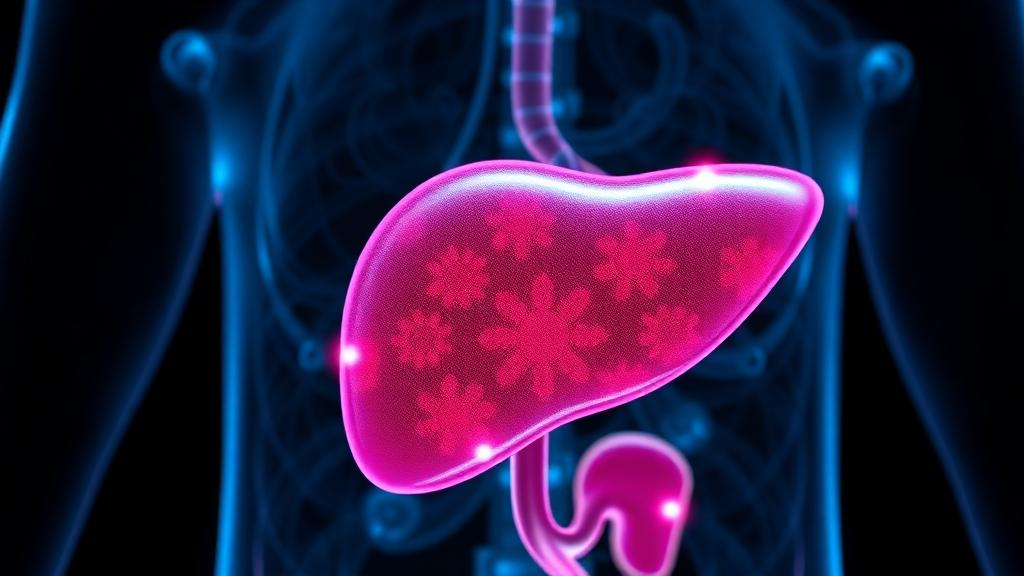
The condition at the center of this research is known today as metabolic dysfunction-associated steatotic liver disease, or MASLD, a renaming that reflects the growing consensus that the disorder is fundamentally a manifestation of broader metabolic derangement rather than a liver problem in isolation. In its early stage, termed hepatic steatosis, fat droplets accumulate within hepatocytes, the primary working cells of the liver. For many individuals this process remains silent for years, but in a significant fraction it advances to inflammation and scarring, conditions that can progress to cirrhosis and liver cancer. Critically, hepatic fat accumulation is tightly linked to insulin resistance, the metabolic fault line that precedes and drives type 2 diabetes. The study by Koene and colleagues focused precisely on this vulnerable population: individuals with obesity and prediabetes who already had evidence of fatty liver, a group in which effective intervention could alter the trajectory of disease before irreversible damage occurs.
To understand why fructose has emerged as such a compelling target, one must appreciate how differently the body handles this sugar compared with glucose. While virtually every cell in the body can take up and metabolize glucose, fructose is handled primarily by the liver, the small intestine and the kidney. The first and rate-limiting step in fructose metabolism is carried out by an enzyme called ketohexokinase, also known as fructokinase, which rapidly phosphorylates fructose to fructose-1-phosphate. This reaction consumes ATP, the cellular energy currency, and unlike the tightly regulated phosphorylation of glucose, fructokinase operates with little feedback control. The result is a rapid drop in intracellular phosphate and ATP, a transient energy depletion that triggers a cascade of downstream events, including the activation of AMP deaminase and the generation of uric acid, alongside a strong signal promoting de novo lipogenesis, the synthesis of new fat from carbohydrate precursors.
In evolutionary terms, this unregulated metabolic pathway may have been an asset rather than a liability. Fructose is abundant in fruit and honey, foods that were seasonally available to our ancestors. A survival mechanism that efficiently converts fructose into fat stores and induces a mild state of insulin resistance would have helped animals fatten before periods of food scarcity, a strategy famously exploited by hibernating bears and migrating birds. The problem, as Johnson and colleagues have long argued, is that modern diets deliver fructose in refined form, particularly as sucrose and high-fructose corn syrup, in quantities and at a year-round constancy that no foraging ancestor ever encountered. The ancient fattening switch is thereby flipped continuously, promoting fat accumulation in the liver, elevated uric acid, insulin resistance and hypertension, the constellation of abnormalities that defines metabolic syndrome.
Animal studies laid the groundwork for the therapeutic hypothesis. Research published by Ishimoto and colleagues in 2012 demonstrated that mice lacking functional ketohexokinase were protected from fatty liver, weight gain and insulin resistance when consuming fructose, establishing the enzyme as the gateway through which fructose exerts its metabolic damage. Conversely, mice engineered to overexpress the enzyme in the liver or intestine showed heightened susceptibility to these outcomes. Subsequent work, including studies by Gutierrez and colleagues, refined the pharmacology of ketohexokinase inhibition and demonstrated that blocking the enzyme could reduce hepatic fat synthesis and improve metabolic parameters in preclinical models. These findings converged on a clear proposition: if fructose metabolism is a driver of fatty liver, then pharmacologically jamming that pathway might treat the disease even in the face of continued dietary exposure.
Translating that proposition into human medicine required clinical testing, and the road has been building steadily. Early-phase trials of ketohexokinase inhibitors, including studies reported by Kazierad and colleagues in 2021 and by Saxena and colleagues in 2023, evaluated the safety, tolerability and metabolic effects of such compounds in human subjects, providing proof of concept that the enzyme could be safely inhibited in people. The new study by Koene and colleagues extends this line of investigation into the population where the stakes are highest: individuals with obesity, prediabetes and metabolic dysfunction-associated steatotic liver disease. According to the commentary by Johnson, Lanaspa and Tolan, the trial demonstrated that inhibiting fructose metabolism with a ketohexokinase inhibitor improved both hepatic steatosis and insulin resistance in these participants, addressing the two central abnormalities that link fatty liver to future diabetes and cardiovascular risk.
The dual benefit is what makes the result scientifically interesting. Hepatic steatosis and insulin resistance are not merely correlated; they are mechanistically intertwined. Fat accumulation in the liver interferes with insulin signaling, impairing the hormone’s ability to suppress glucose production, while insulin resistance itself promotes further lipogenesis and fat deposition, creating a self-reinforcing loop. A therapy that interrupts fructose metabolism attacks this loop at its entry point, reducing the substrate flux that drives de novo lipogenesis while simultaneously easing the energetic and inflammatory stress that fructose metabolism imposes on hepatocytes. Whether the improvements in insulin sensitivity observed in the trial are entirely secondary to reductions in liver fat, or whether blocking fructokinase also acts through additional pathways such as reduced uric acid generation or effects on the intestinal barrier, remains a question that the commentary suggests will merit further investigation.
Enthusiasm must be tempered by the realities of drug development for a chronic, lifestyle-entangled disease. Ketohexokinase inhibitors do not eliminate fructose from the diet; they blunt the metabolic consequences of its consumption, which raises questions about long-term efficacy, the appropriate patient population, and whether partial inhibition is sufficient or whether complete blockade is required. There are also biological considerations: fructokinase is expressed in tissues beyond the liver, including the kidney and the vasculature, and its complete inhibition could have effects, beneficial or otherwise, that extend beyond hepatic fat. The competing-interest disclosures accompanying the commentary, which note that the authors hold equity in a company developing inhibitors of fructose metabolism, underscore how seriously the pharmaceutical and nutraceutical communities are taking this target, and they also serve as a reminder that independent replication and long-term safety data will be essential before such agents could enter routine clinical practice.
Nevertheless, the significance of the study lies in what it validates conceptually. For decades, the dominant explanation for fatty liver disease centered on dietary fat and overall caloric excess, and the standard prescription has been weight loss through diet and exercise, advice that is effective in principle but notoriously difficult to sustain. The fructose hypothesis reframes the problem as a specific, druggable metabolic pathway, one that can be targeted independently of, or in addition to, behavioral change. If subsequent large-scale trials confirm that ketohexokinase inhibition durably reduces liver fat, improves insulin sensitivity and prevents progression to more severe liver disease, clinicians would gain a mechanism-based therapy for a condition that currently has very few approved pharmacological options. The commentary by Johnson, Lanaspa and Tolan makes the case that the evidence has now reached the threshold where such development is justified, marking a potential turning point in the approach to one of the most common liver diseases in the world.
The broader lesson resonates beyond hepatology. The story of fructose metabolism illustrates how evolutionary physiology, basic enzymology and careful clinical trial design can converge on a therapeutic target hiding in plain sight, in this case a sugar that has been a staple of the human diet for millennia but whose refined, concentrated modern forms interact with an ancient metabolic switch in ways our biology never anticipated. As Koene and colleagues’ findings circulate through the research community, attention will turn to larger and longer trials, to the identification of biomarkers that predict which patients will benefit most, and to the possibility that combination approaches, pairing fructose pathway inhibition with existing metabolic therapies, could deliver even greater benefit. For the millions of people living with fatty livers and prediabetes, the prospect that a well-understood enzymatic bottleneck might be opened to relieve their metabolic burden is a reason for genuine, if measured, optimism.
Subject of Research: Inhibition of fructose metabolism via ketohexokinase blockade as a treatment for metabolic dysfunction-associated steatotic liver disease and insulin resistance
Article Title: Inhibiting fructose metabolism to treat fatty liver
Article References: Johnson, R. J., Lanaspa, M. A., & Tolan, D. R. (2026). Inhibiting fructose metabolism to treat fatty liver. Nature Metabolism. https://doi.org/10.1038/s42255-026-01627-4
Image Credits: AI Generated
DOI: 10.1038/s42255-026-01627-4
Keywords: fructose metabolism, ketohexokinase, fatty liver disease, MASLD, hepatic steatosis, insulin resistance, prediabetes, obesity, de novo lipogenesis, uric acid, metabolic syndrome, clinical trial
News Source: Daisy Hatcher. (October 7, 2026). Blocking Fructose Metabolism Shows Promise Against Fatty Liver Disease. Scienmag.