For patients with head and neck cancer, the treatment designed to save their lives often inflicts a cruel secondary wound: oral mucositis, the painful inflammation and ulceration of the lining of the mouth that accompanies concurrent chemoradiotherapy. The condition can make eating, drinking, and even speaking agonizing, and in severe cases it forces interruptions in cancer therapy precisely when continuity matters most. Now, a team of pharmaceutical scientists and oncology clinicians in Thailand reports that a gargle built around an extract of Boesenbergia rotunda, a ginger relative long used in Southeast Asian traditional medicine, meaningfully reduced the incidence of this debilitating complication in a prospective randomized controlled trial.
The study, published in Supportive Care in Cancer by researchers affiliated with Ubon Ratchathani University, Rangsit University, Silpakorn University, and Ubon Ratchathani Cancer Hospital, set out to address a well-recognized gap in supportive oncology. Despite decades of research, effective preventive and therapeutic options for chemotherapy-associated oral mucositis remain scarce, and standard care largely consists of symptom management rather than true prevention. The Thai team reasoned that a plant extract with documented anti-inflammatory and antimicrobial properties, delivered in a formulation engineered to cling to the oral mucosa, could attack the problem at its biological roots.
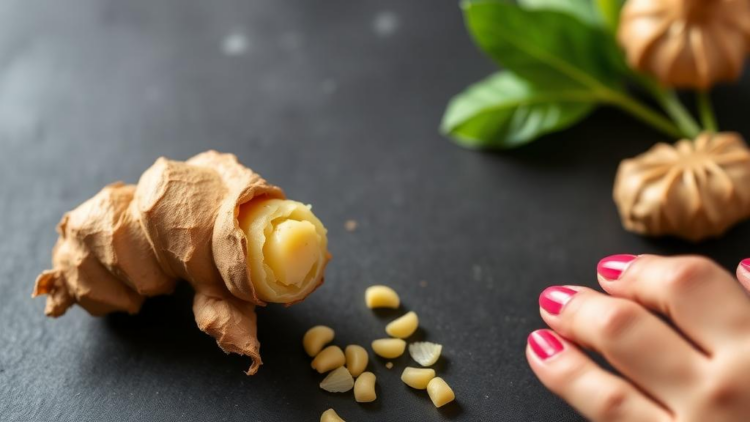
The choice of Boesenbergia rotunda, commonly known as fingerroot or Chinese ginger, was grounded in a growing body of laboratory evidence. Prior studies have shown that extracts of the plant and its signature chalcone compound, panduratin A, suppress inflammatory signaling and inhibit oral pathogens, including Streptococcus mutans and Streptococcus sobrinus, two bacteria closely implicated in dental plaque and oral disease. Other work has explored panduratin A for periodontitis and even for transdermal fat-reduction formulations, underscoring the compound’s versatility. What the new study adds is a rigorous translational pipeline: laboratory characterization, formulation science, and a clinical trial conducted between September 2024 and November 2025 in patients receiving concurrent chemoradiotherapy.
The preclinical phase began with safety and mechanism. In vitro testing established that the Boesenbergia rotunda extract was non-cytotoxic at concentrations below 1 microgram per milliliter, a threshold consistent with international ISO 10993-5 biocompatibility standards for medical devices. The researchers then probed anti-inflammatory activity using RAW 264.7 macrophage cells stimulated with lipopolysaccharide, a bacterial molecule that reliably triggers an inflammatory cascade. In that model, the extract significantly suppressed the production of nitric oxide, a reactive molecule that contributes to tissue damage during inflammation. Because nitric oxide overproduction is a hallmark of the inflammatory milieu that drives mucosal injury, this result suggested the extract could dampen a key pathway in mucositis development.
Formulation was the second pillar of the work. A gargle is only useful if the active ingredient actually reaches and persists on the damaged tissue, yet the oral cavity is a hostile delivery environment: saliva continuously washes surfaces clean, and swallowing removes dissolved drug within minutes. To overcome this, the team engineered a mucoadhesive mouth gargle, a liquid designed to spread across the mucosa and then adhere to it, prolonging contact time. Characterization experiments confirmed that the formulation possessed antimicrobial activity, released its payload rapidly within two minutes, and achieved effective deposition on the mucosal surface. That combination of fast release and sustained residence is the pharmaceutical sweet spot the researchers were aiming for, allowing the extract to act quickly while remaining where it is needed.
The clinical evaluation enrolled fifty-six patients with head and neck cancer who were undergoing concurrent chemoradiotherapy at Ubon Ratchathani Cancer Hospital. Participants were randomized to use either the Boesenbergia rotunda extract gargle or a non-intervention control, with adherence monitored throughout the roughly six-week treatment period. Average adherence came in at 73.98 percent, a realistic figure that reflects the challenges patients face maintaining any regimen during intensive cancer therapy. The primary outcome was the incidence of oral mucositis at six weeks, assessed using established grading frameworks including the WHO handbook criteria for reporting cancer treatment results and the Common Terminology Criteria for Adverse Events, version 5.
The results were statistically significant, if modest in absolute terms. Overall oral mucositis occurred in 30.4 percent of patients in the Boesenbergia rotunda group compared with 41.1 percent in the control group, a difference the investigators reported as significant at p equals 0.04. One secondary finding stood out: lip swelling at week three, a specific and often distressing early toxicity, affected only 1.8 percent of patients using the gargle versus 14.3 percent of controls, with p equal to 0.03. Other adverse events were comparable between the two groups, indicating that the gargle did not introduce new safety concerns. Taken together, the data suggest the formulation shifted patients away from developing mucositis during the most vulnerable window of their treatment.
The biology behind such an effect is plausible given what is known about mucositis pathophysiology. The condition unfolds in phases beginning with direct DNA and tissue damage from radiation and chemotherapy, followed by an amplification stage in which inflammatory cytokines, reactive oxygen species including nitric oxide, and secondary infection by oral bacteria compound the injury. A gargle that simultaneously suppresses nitric oxide production and inhibits oral microorganisms addresses two arms of that cascade at once. The mucoadhesive design adds a third advantage by maintaining therapeutic concentrations at the mucosal surface, where the injury actually occurs, rather than allowing saliva to dilute and wash away the active compounds before they can work.
Context matters when weighing these findings against the existing landscape. Previous attempts at prophylaxis have included herbal mouthwashes, coconut oil pulling, benzydamine hydrochloride rinses, and mucoadhesive in situ forming gels for pain control, with mixed and often modest results. The new trial distinguishes itself by combining a standardized commercial ethanolic extract, supplied by a Thai manufacturer, with a delivery system specifically engineered for mucosal retention, and by testing the combination in a prospective randomized design rather than as an observational series. The researchers acknowledge facility support from Ubon Ratchathani University, Silpakorn University, and Ubon Ratchathani Cancer Hospital, and the work was funded by a grant from the Faculty of Pharmaceutical Sciences at Ubon Ratchathani University. The authors declared no competing interests, and the study received ethics approval from the hospital’s committee in August 2024 under the Declaration of Helsinki.
For the millions of patients worldwide who undergo radiation and chemotherapy for head and neck malignancies, the prospect of a simple, plant-derived, biocompatible gargle that reduces the risk of mucositis is genuinely encouraging. Head and neck squamous cell carcinoma remains one of the most common cancers globally, and its treatment toxicity profile has long been a limiting factor in patient quality of life and treatment completion. Still, the trial involved fifty-six participants at a single center, and the reduction in incidence, while statistically significant, leaves considerable room for improvement. Larger multicenter trials will be needed to confirm the effect, refine dosing schedules, and determine which patient subgroups benefit most. If those studies succeed, an ancient ingredient of the Southeast Asian pharmacopoeia, reformulated with modern mucoadhesive pharmaceutical science, could become a routine part of the supportive care arsenal against one of cancer treatment’s most painful side effects.
Subject of Research: A Boesenbergia rotunda extract-based mucoadhesive mouth gargle for preventing chemoradiation-induced oral mucositis
Article Title: Boesenbergia rotunda extract–based mucoadhesive mouth gargle for chemoradiation-induced oral mucositis: A prospective randomized controlled study
Article References: Sanguanboonyaphong, P., Lapmag, A., Silaon, W., Opanasopit, P., Thiramontre, W., Khiewvarn, S., Chamalerk, K., & Rangsimawong, W. (2026). Boesenbergia rotunda extract–based mucoadhesive mouth gargle for chemoradiation-induced oral mucositis: A prospective randomized controlled study. Supportive Care in Cancer, 34(10), Article 1052. https://doi.org/10.1007/s00520-026-11282-w
Image Credits: AI Generated
DOI: 10.1007/s00520-026-11282-w
Keywords: Boesenbergia rotunda, oral mucositis, chemoradiotherapy, head and neck cancer, mucoadhesive gargle, anti-inflammatory, antimicrobial, panduratin A, supportive cancer care, randomized controlled trial, drug delivery, natural products
Cite Scienmag News
APA MLA Chicago
Nathaniel Bowman. (October 3, 2026). Thai Ginger Relative Yields Gargle That Eases Chemo Radiation Mouth Sores. Scienmag. https://scienmag.com/thai-ginger-relative-yields-gargle-that-eases-chemo-radiation-mouth-sores/
Nathaniel Bowman. “Thai Ginger Relative Yields Gargle That Eases Chemo Radiation Mouth Sores.” Scienmag, 3 October 2026, https://scienmag.com/thai-ginger-relative-yields-gargle-that-eases-chemo-radiation-mouth-sores/. Accessed 3 October 2026.
Nathaniel Bowman. “Thai Ginger Relative Yields Gargle That Eases Chemo Radiation Mouth Sores.” Scienmag. October 3, 2026. https://scienmag.com/thai-ginger-relative-yields-gargle-that-eases-chemo-radiation-mouth-sores/
Copy citation Download RIS
Tags: anti-inflammatoryantimicrobialBoesenbergia rotundaBoesenbergia rotunda ginger extract for chemotherapy side effectschemoradiotherapyDrug deliveryhead and neck cancerinnovative supportive care strategies in oncologymucoadhesive garglenatural productsnatural remedies for oral inflammation during cancer treatmentoral mucositisOral mucositis prevention in head and neck cancer patientspanduratin Apharmaceutical research on herbal extracts forplant-based anti-inflammatory therapies for cancer patientsRandomized Controlled Trialrandomized controlled trial for oral mucositis reductionreducing therapy interruptions caused by oral mucositissupportive cancer caretopical gargle formulation for chemo-radiation-induced mouth sorestraditional Southeast Asian medicinal plants in cancer supportive care