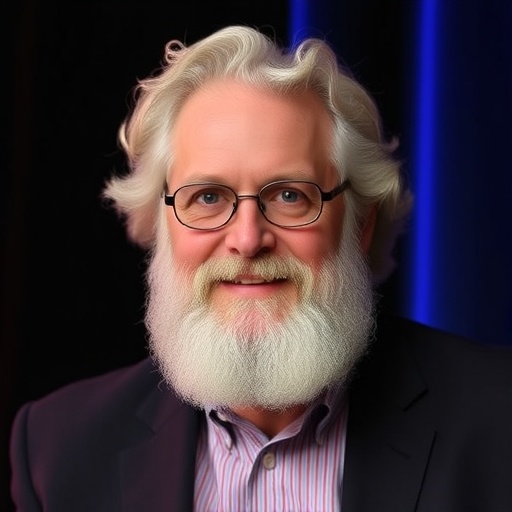
BOSTON, Massachusetts — August 18, 2026 — George Church, the Harvard geneticist whose work helped define the modern era of genome science, will deliver a featured presentation at the 13th Aging Research & Drug Discovery Meeting, scheduled for October 1–3 at the David Rubenstein Treehouse at Harvard University. His appearance places one of genomics’ most influential figures at the center of a rapidly expanding debate over whether biological aging can be treated as a modifiable medical process rather than an unavoidable consequence of time. The meeting, officially organized by Insilico Medicine, will bring together academic researchers, clinicians, biotechnology executives, pharmaceutical companies, entrepreneurs, and investors focused on converting discoveries in aging biology into therapies that preserve health and function.
Church is widely recognized for contributions that have shaped several major branches of contemporary biomedicine. His career has included pioneering work in genome sequencing, genome editing, synthetic biology, gene therapy, cellular reprogramming, artificial intelligence-based protein engineering, and the study of aging. He has also been involved in landmark initiatives such as the Human Genome Project, the Personal Genome Project, the BRAIN Initiative, and Genome Project-write. Together, these efforts have helped transform DNA from a biological molecule studied primarily through observation into an increasingly programmable platform. Modern sequencing can now read genetic information at enormous scale, while editing technologies can alter selected sequences and synthetic biology can assemble new genetic systems for research or therapeutic use.
That convergence is particularly important to longevity research, where scientists are investigating the molecular mechanisms that cause tissues and organs to lose resilience over time. Aging is not controlled by a single gene or pathway. Instead, it involves interacting processes that include the accumulation of DNA damage, epigenetic changes that disrupt gene regulation, mitochondrial dysfunction, chronic inflammation, loss of protein quality control, cellular senescence, stem-cell exhaustion, and alterations in intercellular communication. These mechanisms can reinforce one another, gradually reducing an organism’s ability to repair damage and maintain stable physiological function. Church’s participation at ARDD 2026 is expected to focus attention on how emerging technologies might intervene in these systems, either by correcting damage, resetting cellular states, replacing dysfunctional cells, or improving the body’s capacity for repair.
One of the most closely watched possibilities is cellular reprogramming. In experimental systems, combinations of transcription factors can push mature cells toward a more developmentally flexible state, sometimes restoring molecular features associated with youth while preserving aspects of cellular identity. The challenge is to achieve rejuvenation without causing uncontrolled proliferation or loss of tissue function. Gene therapy offers another route, using engineered viral vectors or other delivery systems to introduce, silence, or regulate genetic instructions inside selected cells. Such approaches could potentially target age-related disorders, although delivery, immune reactions, durability, dosage, and safety remain major barriers. Advances in protein engineering and artificial intelligence may also accelerate the discovery of therapeutic molecules capable of modulating difficult biological targets.
Church joins ARDD at a moment when longevity science is moving from exploratory laboratory research toward increasingly organized drug-development programs. Pharmaceutical and biotechnology companies are investigating interventions designed to influence senescent cells, metabolic regulation, inflammation, DNA repair, mitochondrial performance, and other biological processes associated with aging. The field’s central ambition is not simply to extend lifespan, but to lengthen healthspan—the period during which people remain physically capable, cognitively functional, and free from disabling disease. Achieving that goal will require rigorous clinical trials capable of demonstrating meaningful improvements in health outcomes rather than relying only on changes in molecular biomarkers. Researchers must also determine whether an intervention that benefits one organ or pathway can produce durable advantages across the entire body.
The meeting will therefore examine a question that has moved increasingly into mainstream biomedical discussion: how close is science to a genuine longevity revolution? The answer depends on whether promising findings in cells and laboratory animals can be translated into safe, reproducible effects in humans. Biological aging differs across tissues and individuals, and the biomarkers used to measure it—including epigenetic patterns, inflammatory signals, protein profiles, and physiological performance—do not always provide the same picture. A treatment that makes one molecular clock appear younger may not necessarily reduce disease or improve survival. For that reason, the next stage of the field will depend on carefully designed studies, long-term monitoring, improved measurement technologies, and collaboration among basic scientists, clinical investigators, regulators, and commercial developers.
Vadim Gladyshev, Executive Chair of ARDD and Professor of Medicine at Harvard University, said that aging biology has become one of biomedical science’s most promising frontiers, while emphasizing the need to connect fundamental discoveries with interventions that improve healthspan. Morten Scheibye-Knudsen, Co-Chair of ARDD and Associate Professor at the University of Copenhagen, described the conference’s move to Boston as a new chapter for the event, placing it within one of the world’s strongest biomedical innovation ecosystems. He also pointed to the field’s increasing emphasis on translation, as discoveries in aging biology are increasingly being evaluated according to their potential to become medicines rather than remaining isolated laboratory findings.
ARDD 2026 will be anchored by Tier 1 sponsors Insilico Medicine and Eli Lilly, with the McKinsey Health Institute serving as Sole Knowledge Partner. Tier 3 sponsors include AbbVie, AniVC, AstraZeneca, BioAge Labs, Biocytogen, Cambrian Bio, Cyclarity Therapeutics, Dior, GlycanAge, Gordian Biotechnology, Human Longevity, the Institute for Healthier Living Abu Dhabi, LongeVC, Maxwell Biosciences, Nestlé, Tally Health, and TruDiagnostic. Synaro Capital, The Cat Health Company, and PranaGen Bioscience are supporting the meeting as Tier 4 sponsors, while Estée Lauder, Morgan Stanley, the Intrinsic Capacity Frailty & Sarcopenia Research Conference for Healthy Longevity, and QuadraScope are listed as Tier 5 sponsors. The breadth of participation reflects the growing financial and industrial interest in therapies that could address the biological drivers of age-related decline.
Alex Zhavoronkov, Co-Chair of ARDD and CEO of Insilico Medicine, said Church has repeatedly helped move ideas once regarded as speculative toward serious scientific and technological possibility. His presence captures the conference’s larger purpose: connecting ambitious biological concepts with the researchers, companies, and investors capable of testing and developing them. Now in its 13th year, the Aging Research & Drug Discovery Meeting describes itself as the world’s largest meeting dedicated to aging and longevity biotechnology. The 2026 gathering will also receive support from the Nordic Aging Society, a nonprofit scientific organization focused on aging research and collaboration across the Nordic region and beyond. Organizers are inviting media inquiries and interview requests through [email protected], while additional information is available at agingpharma.org.
Subject of Research: Aging research, longevity biotechnology, genomics, cellular reprogramming, gene therapy, and the development of therapies targeting age-related decline.
Article Title: George Church to Deliver Featured Address at ARDD 2026 on the Future of Longevity Science
News Publication Date: August 18, 2026
Web References: agingpharma.org
Image Credits: ARDD 2026
Keywords: George Church, ARDD 2026, aging research, longevity science, longevity biotechnology, genomics, gene therapy, cellular reprogramming, synthetic biology, healthspan, Harvard University, Insilico Medicine, drug discovery
Tags: Aging ResearchAI-driven protein engineeringbiological aging as a treatable conditionbiotechnology and pharmaceutical collaborationscellular reprogramming for healthdevelopment of anti-aging therapiesgene therapy in aginggenome editing advancementsgenome sequencing innovationsHarvard genetics breakthroughsinfluential figures in genomicssynthetic biology in medicine