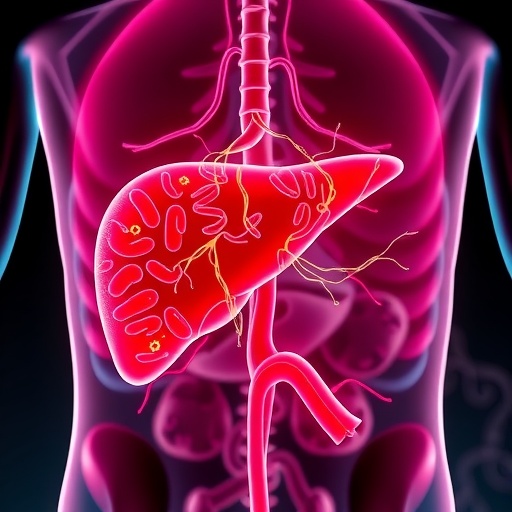
Sepsis, major surgery, drug exposure, viruses, and long-term illnesses all converge on the liver—an organ central to nutrient metabolism, detoxification, bile production, and immune signaling. Its dense vascular and cellular architecture also makes it especially susceptible to inflammatory and oxidative injuries that can quickly escalate into organ dysfunction. In a new review in Hepatobiliary Communications, researchers synthesize recent evidence for ulinastatin (UTI), a naturally occurring human urine protein with pharmacological promise for liver protection.
UTI is a broad-spectrum serine protease inhibitor that limits tissue damage driven by excessive enzyme activity. However, its protective effects extend beyond simple protease blockade. The authors describe a multitarget profile that includes suppression of proinflammatory cytokines and mediators, mitigation of oxidative stress, and reduction of apoptosis and pathological immune infiltration. UTI is also discussed in the context of coagulation and fibrinolysis regulation, where enzyme activity can influence downstream inflammatory injury.
The review highlights liver injury from multiple clinical contexts. In sepsis-associated liver damage, UTI is reported to lower oxidative stress, limit cell death pathways, and reduce inflammatory cell accumulation—corresponding with decreased liver enzyme abnormalities in experimental systems. For hepatic ischemia–reperfusion injury, the authors note inhibition of neutrophil elastase and chemokine production, a mechanism aligned with the inflammatory surge that follows restored blood flow during transplantation or surgical repair.
Beyond acute injury, UTI is evaluated in chronic and complex liver disorders. In drug-induced liver injury and viral hepatitis models, antioxidant and anti-inflammatory actions are repeatedly emphasized. For liver failure, reported correlations between plasma UTI levels and disease severity—along with normalization during recovery—suggest diagnostic or prognostic utility. In liver fibrosis, the review focuses on suppression of TGF-β activation, a key driver of fibrotic scarring. For hepatocellular carcinoma, preclinical work is discussed in which UTI may improve chemotherapy responsiveness through inhibition of Wnt/β-catenin signaling.
Finally, the authors extend UTI’s relevance to hepatic encephalopathy, citing evidence that it can protect the blood–brain barrier and help maintain brain fluid balance—pathways tightly linked to neuroinflammation and systemic toxicity. Despite existing approvals in some countries for acute pancreatitis and sepsis, the review emphasizes that robust randomized controlled trials are still needed to define optimal dosing and confirm outcomes such as mortality, not only surrogate biochemical endpoints. Reported adverse effects are generally mild (e.g., dizziness, rash, gastrointestinal discomfort), but the authors call for continued study of drug interactions and dose-related risks.
Subject of Research:
Article Title: The medicinal effect of ulinastatin in various liver diseases
News Publication Date: 2026
Web References: https://doi.org/10.1016/j.hbc.2026.100002
References: Literature review
Image Credits: Jia Li, LiJun Hou, Jie Zhang, Chao Sun
Keywords: ulinastatin; hepatoprotection; liver injury; inflammation; oxidative stress; TGF-β; hepatic ischemia reperfusion; sepsis; fibrosis; hepatic encephalopathy
Tags: coagulation and fibrinolysis regulation in liver damagedrug therapy for liver inflammationhepatic ischemia-reperfusion injury mitigationimmune response modulation in liver disordersinflammatory cytokine suppression in hepatic injurynatural proteins with hepatoprotective effectsoxidative and immune mechanisms in liver injuryoxidative stress reduction in liver diseasessepsis-induced liver injury treatmentserine protease inhibitors for liver healththerapeutic strategies for liver organ dysfunctionUlinastatin liver protection