


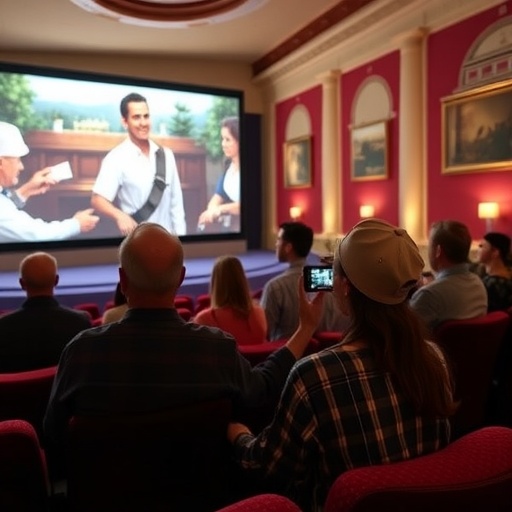
Higher cultural engagement is linked with lower physiological ageing, according to an online analysis in the Journal of Epidemiology and Community Health. The finding reframes “ageing” as more than chronological time, focusing instead on how rapidly the body appears to be ageing at the biomarker level.
Physiological age is intended to capture functional wear-and-tear across multiple organ systems. In parallel, cultural engagement—such as visiting cinemas, museums or theatres—has been repeatedly associated with better health and well-being in older adults, but direct evidence connecting culture to physiological ageing has been limited.
To address this gap, researchers from the Institute of Science Tokyo conducted a longitudinal study designed to reduce bias from confounders that remain stable over time. They analysed data from 1,899 adults in the English Longitudinal Study of Ageing, a nationally representative cohort of people aged 50 and over living in England.
Participants contributed biomarker data at at least two time points between 2004/2005 and 2008/2009. Nurses measured 10 physiological indicators—pulse pressure, diastolic blood pressure, forced expiratory volume, haemoglobin concentration, fibrinogen, glycated haemoglobin, LDL cholesterol, body mass index, grip strength and walking speed—to build a composite physiological age score.
Cultural engagement was assessed via a questionnaire asking frequency of visits to the cinema, museum/art gallery, and theatre/concert/opera. Responses were scored on a 0–5 scale (never to at least twice per month), producing a combined score from 0 to 15.
Participants with higher cultural engagement reported physiological ages averaging 66.9 years, compared with 69.9 years among those with lower engagement—about a three-year difference. After adjusting for confounding factors including household income, employment status and chronic health conditions, each additional point on the cultural engagement scale corresponded to a 0.085-year (31-day) lower physiological age.
The authors propose plausible pathways: frequent cultural participation may strengthen social ties, encourage healthier behaviours, and support mental health, each of which could slow biological ageing processes. However, the study’s observational design means cause and effect cannot be confirmed.
The team also acknowledges potential reverse causation, where individuals in better health may be more able to attend cultural events. Even so, the report argues that cultural engagement is modifiable and could be comparable in impact to frequent physical activity.
Further research is needed to test whether promoting cultural engagement leads to durable improvements in long-term health and healthy ageing.
Subject of Research: People
Article Title: Cultural engagement and physiological ageing: a fixed-effects analysis
News Publication Date: 14-Jul-2026
Web References: http://dx.doi.org/10.1136/jech-2025-225753
References: Journal of Epidemiology and Community Health; DOI: 10.1136/jech-2025-225753
Image Credits:
Keywords: cultural engagement, physiological ageing, biomarkers, longitudinal study, older adults, social participation, healthy ageing, observational research, fixed-effects analysis
Tags: aging and mental well-being through artsbiomarker-based biological agingcultural engagement and healthy agingeffects of cultural participation on age-related declinehealth benefits of cultural engagement in older adultsimpact of arts and culture on healthinfluence of cultural activities on healthspanlongitudinal aging studiesmeasuring physiological aging with biomarkersphysical health indicators in aging populationsphysiological biomarkers and agingrole of museums and theaters in promoting health


